


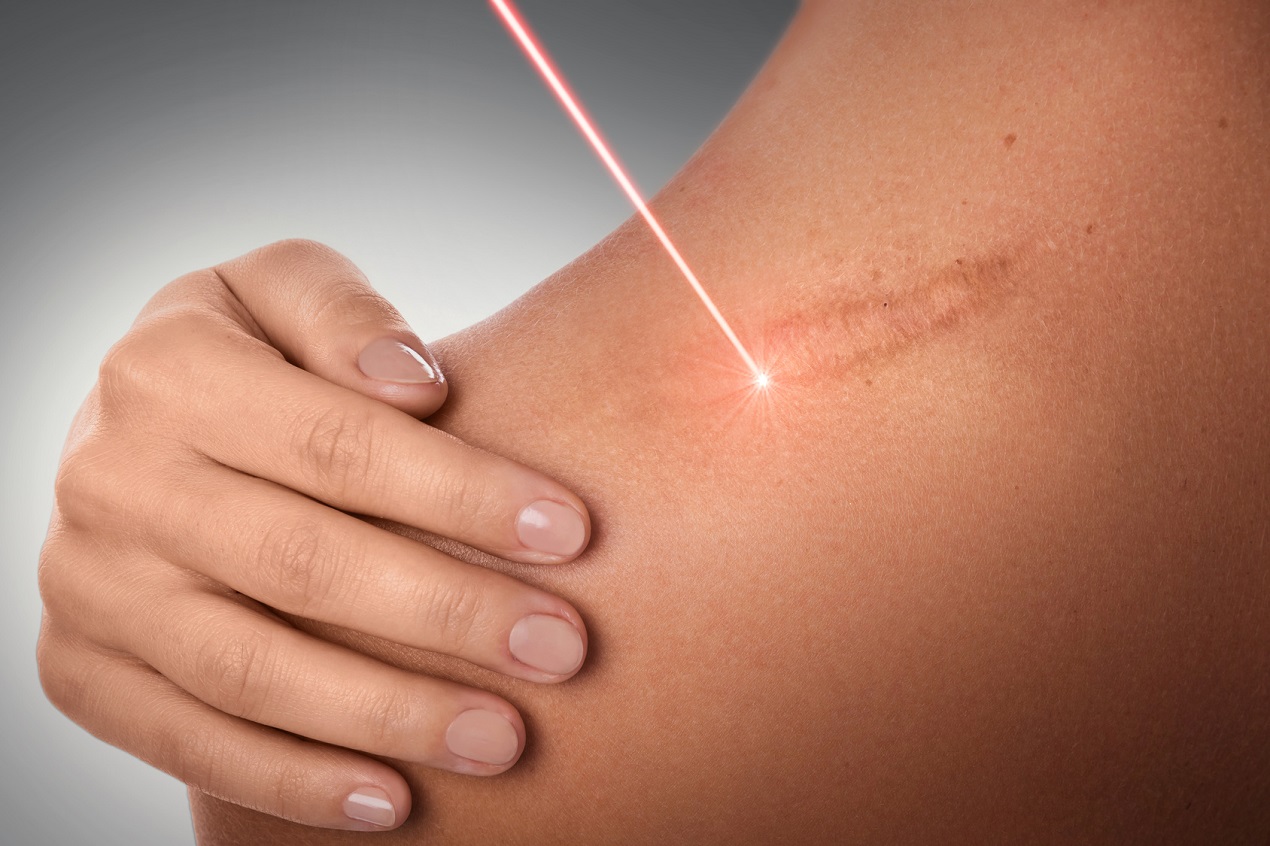

Cut scars resulting from surgical interventions are part of the healing process of skin wounds. These scars occur as a result of damage to the collagen fibers under the skin. In the initial stage, the incision scar may be red or pinkish in color and fades over time. The shape and size of incision scars may vary depending on the surgical intervention method, healing process and genetic characteristics of the person.
Types of Cut Scar Treatment
There are many different methods for treating cut scars. These treatments may vary depending on the scar type, size, and the person's skin type. The most commonly used treatment methods are:
1. Dermatological Creams and Lotions: Some creams and lotions sold over-the-counter in pharmacies can help reduce the appearance of cut marks. These products usually contain ingredients such as vitamin A, vitamin E, silicon or kojic acid. Regular and long-term use of such products can improve the appearance of cut marks.
2. Cosmetic Procedures: Cosmetic procedures are effective methods used to reduce the appearance of incision scars. Procedures such as microdermabrasion, chemical peels and laser therapy can reduce incision scars by renewing the top layer of skin. These procedures must usually be performed by a dermatologist or plastic surgeon.
3. Surgical Interventions: In some cases, surgical interventions may be required to reduce the appearance of incision scars. For example, procedures such as skin grafting or stitch correction can help correct the shape and size of the scar. These types of treatments are usually performed by a plastic surgeon.
Over-the-Counter Cut Scar Treatment Options
There are many over-the-counter medications and products that can be used to reduce the appearance of cut marks. The effectiveness of these products may vary from person to person, but some generally produce positive results. Here are some over-the-counter cut scar treatment options:
1. Silicone Gel and Sheets: Silicone gel or sheets can be effective in reducing the appearance of cut marks. When applied to the skin, these products keep the scar moist and increase collagen production. Regular and continuous use can improve the appearance of cut marks.
2. Vitamin C: Vitamin C is an important vitamin for skin health and can help reduce the appearance of cut marks. Creams or supplements containing vitamin C can speed up the skin's healing process and support collagen production.
3. Herbal Oils: Some herbal oils, such as lavender oil, rosemary oil, and thyme oil, may be effective in reducing the appearance of cut marks. These oils can be applied to the skin by massaging and can give positive results with regular use.
Natural Methods for Cut Scar Treatment
Natural solutions are effective methods that can be used to reduce the appearance of cut marks. These methods can generally be easily applied at home and have minimal side effects. Here are some of the natural cut scar treatment methods:
1. Aloe Vera Gel: Aloe vera gel can be effective in accelerating the healing of skin wounds. This gel can reduce the appearance of cut marks and moisturizes and softens the skin. It is recommended to use it regularly to achieve good results.
2. Honey: Honey has natural moisturizing properties and can be effective in reducing the appearance of cut marks. You can apply honey directly to the cut scar or prepare a mask mixed with honey.
3. Coconut Oil: Coconut oil is a natural oil that has many benefits for skin health. It can be effective in reducing the appearance of cut marks and nourishes the skin. You can apply coconut oil regularly to the incision scar by massaging it.
Ways to Prevent Cut Scars
The most effective way to prevent incision scars is to take the right precautions before and after surgical intervention and pay attention to the healing process. Here are some prevention methods to prevent cut marks:
1. Skin Care: Keeping your skin healthy is an important step in preventing cut marks. Cleanse, moisturize and use sunscreen daily. This will strengthen your skin and support the healing process.
2. Nutrition: A healthy diet is important for skin health. A diet rich in vitamins and minerals can speed up the skin's healing process and reduce the appearance of cut marks.
3. Wound Care: Wound care is important after surgical intervention. Keeping the wound clean and dry reduces the risk of infection and supports the healing process. It is important to follow the wound care methods recommended by your surgeon.
The Importance of Early Intervention in Scar Treatment
Starting the treatment of cut marks at the earliest possible stage can provide better results. Early intervention can prevent scar formation or reduce its appearance. It is important to follow your doctor's recommendations and apply treatment methods regularly during the healing process of the wound. Remember, everyone's body is different and everyone's recovery time is
 Call
Call
 Whatsapp