


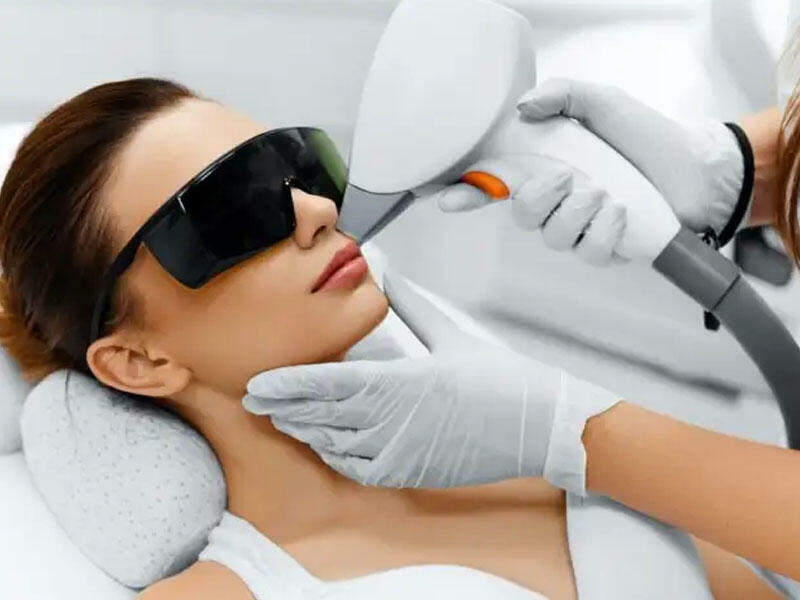

Laser hair removal is a method that uses laser technology with the aim of achieving long-term reduction of unwanted hair. The technique targets hair follicles and generates heat energy through melanin pigment, aiming to reduce regrowth. Its popularity has increased because it may provide longer-lasting results compared to other methods and may cause less irritation for some individuals.
Some people choose laser hair removal to avoid the difficulties of traditional methods such as waxing or shaving. It may be suitable for both men and women and can be applied to many body areas where unwanted hair is present. However, treatment response can vary, and factors such as skin tone and hair structure are important.
This method may show more noticeable results on darker hair and may respond better on lighter skin tones. With technological advances, devices suitable for different skin types have also been developed. Therefore, consulting a professional and selecting the most appropriate method is recommended.
Advantages of Alexandrite Epicare Laser Hair Removal
Alexandrite Epicare devices are one of the options used in laser hair removal applications. With the right candidate selection and settings, they may offer faster treatment times, which can be a distinguishing feature compared to some other methods. One advantage of Alexandrite lasers is that they may cover larger areas, potentially shortening session duration and improving comfort.
Some individuals find Alexandrite laser sessions more comfortable than certain other laser types. Cooling systems may help protect the skin and reduce discomfort during treatment. This can be a suitable option for those who want faster application on larger areas. While some people may notice supportive effects on overall skin appearance, outcomes such as “lightening skin tone” or “reducing spots” can vary and should be evaluated individually for that purpose.
Alexandrite Epicare devices may be designed to meet safety standards depending on the manufacturer. When performed under proper conditions by professionals, this may support a safer treatment process. If you are looking for a more comfortable session experience and faster application time, Alexandrite Epicare may be a suitable option.
Laser Hair Removal Applications and Effects
Laser hair removal treatments can be customized for different skin types and hair colors, allowing personalized treatment plans. During the procedure, the device is placed on the skin and energy is delivered to target hair follicles. This process may support long-term reduction and aims to decrease recurring regrowth.
Effects vary by individual, but a visible reduction may be noticed after several sessions. Even after early sessions, hair may appear finer and grow more sparsely. A treatment approach of 6–8 sessions may often be suggested, typically scheduled at 4–6 week intervals.
After treatment, mild redness or sensitivity may occur and is usually temporary. Sun protection is important because the skin may become more sensitive after laser treatment. When performed correctly by an experienced team, laser hair removal may support a smoother-looking skin appearance over the long term.
Where Can You Find Alexandrite Laser?
Alexandrite laser devices may be available at many beauty centers and dermatology clinics. In large cities, it is often possible to find multiple centers that use this technology. In metropolitan areas such as Ankara, there may be various providers offering Alexandrite laser hair removal.
However, not only the device matters—the experience and knowledge of the practitioner is also important. For this reason, it is recommended to research and choose a reliable center and professional.
Laser Types: Alexandrite and Other Options
There are different laser types designed for different skin and hair profiles. One of the most commonly used types is the Alexandrite laser, which may provide more noticeable results for lighter skin tones with darker hair.
Diode lasers can penetrate deeper and may be preferred across a wider range of skin tones, including darker tones. Nd:YAG lasers are often chosen for darker skin types. Since they may be absorbed less by melanin, they can help reduce surface discomfort in some individuals.
Choosing the most suitable laser type should be done with professional guidance, based on a skin and hair assessment.
Session Duration and Frequency
Session duration depends on the size of the treatment area. Larger areas like legs may take longer, while smaller areas are typically shorter. An average session may range from 15 minutes to 1 hour.
Sessions are usually planned every 4–6 weeks, aligned with the hair growth cycle. This cycle can differ by individual, so scheduling may be adjusted accordingly. Even after early sessions, hair may grow back finer and weaker.
With regular sessions, a significant reduction in hair density may be achieved over time. Following the recommended plan and professional advice supports better outcomes.
About Ankara Life Polikliniği
Ankara Life Polikliniği is a healthcare center that provides laser hair removal services. With modern equipment and an experienced team, it aims to offer safe and effective solutions. The center in Ankara performs treatments under hygienic conditions using up-to-date technologies.
Personalized treatment plans are created based on individual needs. Professionals may help select the most suitable laser type according to skin and hair structure, supporting better outcomes. Ankara Life Polikliniği prioritizes client satisfaction and aims to provide a comfortable treatment experience.
If you are looking for a laser hair removal center in Ankara, you may consider Ankara Life Polikliniği. For more details, you can visit their website or contact them directly.
What to Consider Before and After Laser Hair Removal
There are important points to consider before and after treatment. Before the procedure, the skin should be clean and dry. No cosmetic products should be applied to the area within the last 24 hours. Avoiding sun exposure and tanning is also important because tanned skin may be more sensitive.
After treatment, mild redness or sensitivity may occur and is usually temporary. Using sunscreen and avoiding direct sun exposure helps protect the skin. It is also recommended to avoid hot showers and hot environments such as saunas for at least 24 hours.
To keep the process safe and controlled, it is important to follow professional aftercare instructions. By doing so, you can make the treatment more comfortable and support better results.
 Call
Call
 Whatsapp