



Melanin performs a number of important functions in the body. One of these is to protect against damage caused by the sun's harmful ultraviolet (UV) rays. Melanin protects skin cells by absorbing and scattering UV rays. This helps protect our skin against harmful effects such as sunburn and skin cancer.
Additionally, melanin keeps the skin naturally hydrated. This prevents the skin from drying out, providing a healthy appearance and elasticity. Melanin also helps protect the eyes from the harmful effects of the sun by absorbing and scattering light in the eyes. This helps protect the eyes from diseases such as cataracts and macular degeneration.
Types of Melanin
Melanin produced in the body is divided into different types. These are two basic types called eumelanin and pheomelanin. Eumelanin causes dark pigmentation in the skin, hair and eyes, while pheomelanin causes lighter colors. Differences in our skin color, hair color and eye color are caused by the production of these types of melanin in different amounts.
Eumelanin provides black or brown pigmentation. However, people who produce small amounts of eumelanin tend to have lighter skin tones, blonde or red hair, and blue or green eyes. Pheomelanin provides yellow or red pigmentation. Therefore, people who produce more pheomelanin tend to have blond or red hair, light skin tones, and blue or green eyes.
Factors Affecting Melanin Production
Melanin production is affected by genetic and environmental factors. Genetic factors determine a person's hereditary characteristics and melanin production. Some people produce more eumelanin, while others produce more pheomelanin. This leads to differences in skin, hair and eye colors.
Environmental factors can affect melanin production. For example, sunlight can increase melanin production. This occurs during the tanning process. Additionally, the aging process and hormonal changes can also affect melanin production.
The Role of Melanin in Skin Color
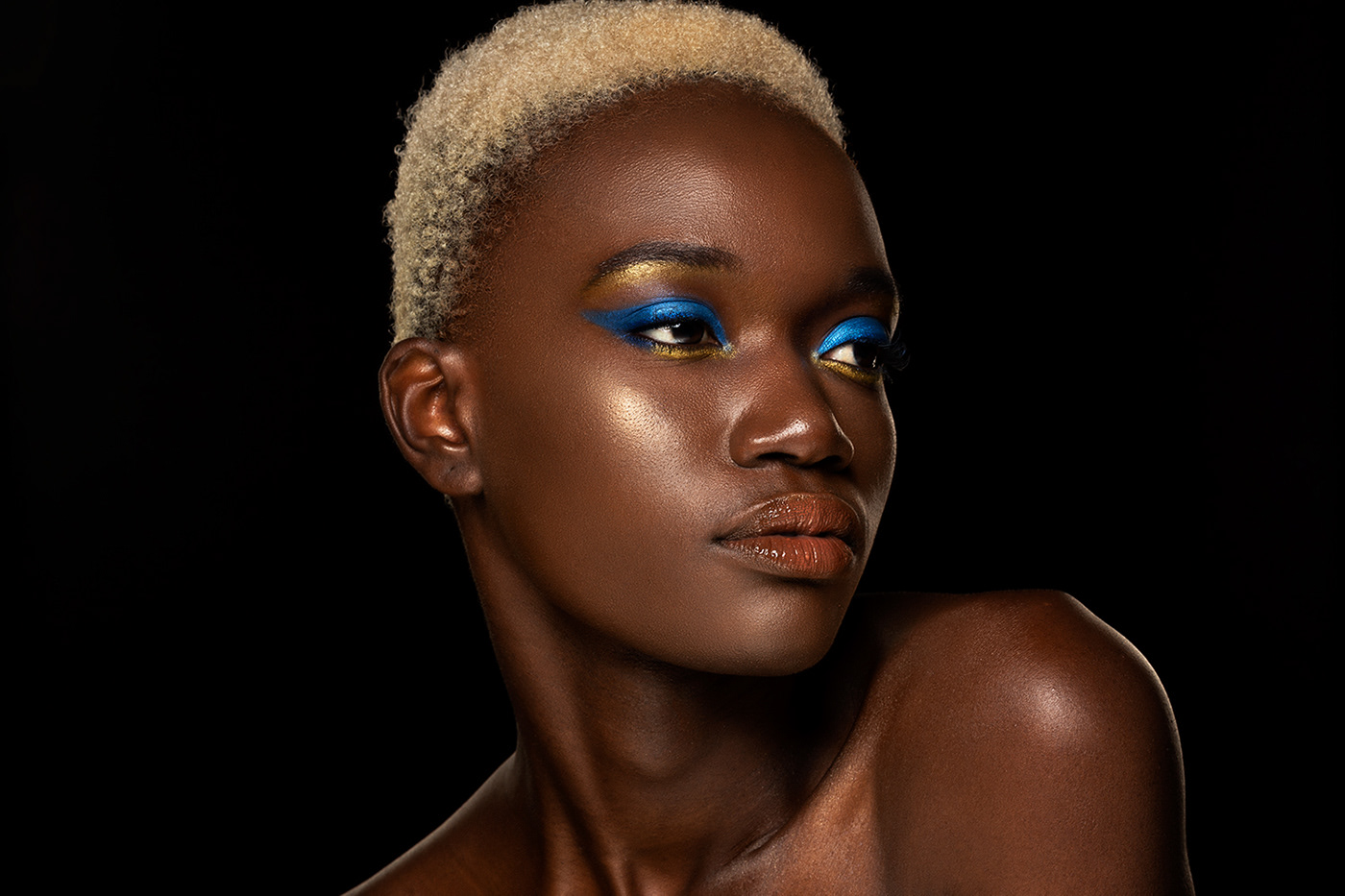
Melanin plays an important role in our skin color. Skin color varies depending on the amount of melanin in the skin. People who produce more melanin tend to have darker skin tones. This is due to increased melanin production when we are exposed to the sun. Melanin protects the skin with darker pigmentation to protect against the harmful effects of UV rays.
On the other hand, people who produce less melanin tend to have lighter skin tones. This is caused by the decrease in the amount of melanin in the skin depending on the level of sun exposure. Additionally, genetic factors also affect differences in skin color. For example, people of African descent generally produce more melanin and tend to have darker skin tones.
Common Melanin Related Skin Disorders
There are some skin disorders related to melanin. One of these is a condition called vitiligo. Vitiligo is a disease in which white spots occur as a result of decreased or stopped melanin production on the skin. This condition is associated with the destruction or loss of function of melanocytes (cells that produce melanin) in the skin. Vitiligo may occur under the influence of genetic and environmental factors.
Another melanin-related skin disorder is called melasma. Melasma is a condition in which brown or gray patches appear on the skin. This condition is associated with a combination of hormonal changes, sun exposure and genetic factors. Melasma can occur especially during pregnancy and is generally more common in women.
Melanin and Sun Protection
Melanin protects against damage caused by the sun's harmful UV rays. Melanin protects the skin by absorbing and scattering UV rays. This helps protect us against sunburn, skin cancer and other skin damage. However, melanin provides only limited protection and it is important to use sunscreen to be fully protected from the effects of the sun.
Sunscreen products are designed to protect the skin against UV rays. These products work by absorbing or reflecting the damage caused by UVB and UVA rays on the skin. Regular use of sunscreen products protects the skin from the harmful effects of the sun without affecting melanin production.
Melanin and Hair Color
Melanin also plays an important role in hair color. Hair color varies depending on the amount of melanin present in the hair. Eumelanin causes dark hair while pheomelanin causes lighter colors. Hair color can be affected by genetic factors and the aging process. For example, as we age, melanin production decreases and hair turns gray or white.
Changes in hair color can be a source of aesthetic concern for some people. Hair coloring products can be used to change hair color. These products function by adding melanin pigment to the hair or by changing the existing melanin in the hair.
What is melanin
Free Information,
Consultation and Appointment Request
 Call
Call
 Whatsapp