


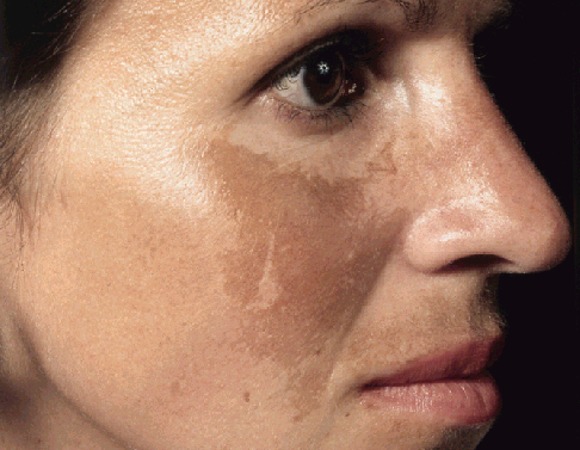

What is Melasma Spot?
Melasma is a skin problem that manifests itself with irregularly defined brown-toned spots that appear symmetrically on the skin, especially on the face. It is usually seen in areas such as the cheeks, forehead, nose, upper lip and chin. It is much more common in women than men and is especially common in women of childbearing age.
What Causes Melasma?
More than one factor may be effective in the formation of melasma. The most common causes are:
Sun rays: UV rays increase melanin production in the skin and can cause existing spots to become darker.
Hormonal changes: Changes in hormone levels during pregnancy or when using birth control pills can trigger melasma.
Genetic predisposition: It is more likely to be seen in individuals with a family history of melasma.
Cosmetic products: Some skin care products or incorrect product use can cause skin irritation and spot formation.
Are Melasma Spots Permanent?
Melasma spots do not have to be permanent; However, if not treated properly, it can last for years. As sun exposure continues or hormonal fluctuations continue, the appearance of the stain may increase. Therefore, protection is as important as treatment.
Methods Applied in Melasma Treatment
Melasma treatment should be planned specifically for the person. A treatment program is determined by taking into account the skin type, depth of the stain and the cause of its formation.
Stain lightening creams: Creams containing hydroquinone, retinoid or vitamin C recommended by the dermatologist can lighten the stains.
Chemical peeling: It can reduce the appearance of the stain by helping to remove dead cells from the skin surface.
Laser treatments: It can be effective especially in deeply located melasmas, but choosing the right device and dose is very important.
Mesotherapy and PRP: These are applications that support skin renewal.
Protection Recommendations
The secret to success in melasma treatment is protection.
Using sunscreen: Sunscreens containing at least SPF 50 should be used regularly throughout the year.
Using hats and glasses: Direct sun exposure should be avoided, especially in the summer months.
Paying attention to skin care: Irritating products should be avoided and the skin should be gently cleaned.
Conclusion
Although melasma is aesthetically disturbing, it can be controlled with the right approach and patient treatment. Early intervention reduces the permanence of the stain. Therefore, it is important to consult a dermatologist when melasma symptoms are noticed.
 Call
Call
 Whatsapp