


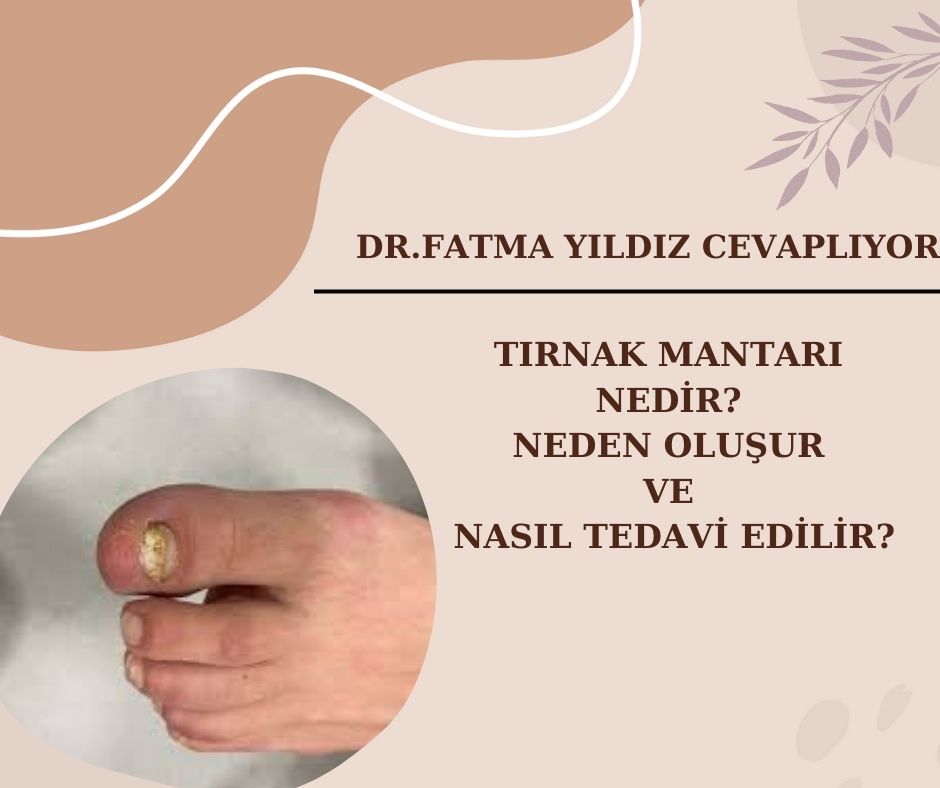

What is Nail Fungus? Why Does It Occur and How Is It Treated?
NAIL fungus is a common health problem experienced by many people. Although it is usually seen in toenails, it can also occur in fingernails. So, how does NAIL fungus occur and how is it treated?
CAUSES OF NAIL FUNGUS
Fungal Infections:
NAIL fungus is most commonly caused by fungi called dermatophytes. These fungi multiply rapidly in moist and warm environments and infect NAILS.
Lack of Hygiene:
Leaving feet damp and airless for a long time, wearing sweaty socks and tight shoes facilitates fungal formation.
Weakening of the Immune System:
Diabetes, diseases that weaken the immune system or some medications can increase susceptibility to fungus.
Public Areas:
Walking barefoot in common areas such as baths, pools and gyms increases the risk of catching a fungal infection.
NAIL TRAUMA:
Hit to the nail bed, mistakes made during manicure-pedicure can weaken the nail structure and facilitate the establishment of fungus.
SYMPTOMS OF NAIL FUNGUS
Yellowing or whitening of the nail color
Thickening and deformity of the nail
Cracking and breaking on the nail
Bad odor and sensitivity around the nail
If these symptoms are noticed, early treatment is important to prevent the spread of infection.
TREATMENT METHODS OF NAIL FUNGUS
Topical (Externally Applied) Treatments:
In mild cases, antifungal creams, sprays or nail polishes recommended by the doctor can be used. These drugs are applied directly to the infected NAIL.
Oral Antifungal Drugs:
In more advanced cases, antifungal tablets can be prescribed under the supervision of a doctor. These drugs help to dry the root of the fungus, but require regular follow-up.
Laser Treatment:
Laser applications have also been preferred in fungal treatment in recent years. Laser helps kill the fungus and supports the healthy regrowth of the NAIL.
Surgical Intervention:
In very advanced cases, surgical removal of severely damaged NAIL may be necessary. However, this method is rarely preferred.
WAYS TO PREVENT NAIL FUNGUS
Keeping feet and NAILS clean and dry every day
Changing socks every day and choosing breathable cotton socks
Wearing slippers or sandals in common areas
Paying attention to hygiene in NAIL care, not using non-sterile manicure and pedicure materials
Adopting a healthy diet that strengthens the immune system
If NAIL fungus is not treated, it can spread further over time and negatively affect the quality of daily life. It is possible to overcome this problem with early diagnosis and correct treatment. If you notice signs of fungus on your NAILS, it is recommended that you consult a dermatologist and start the appropriate treatment.
I am Dermatologist Doctor Fatma Yıldız
We are waiting for you in our clinic, I wish you healthy days.
 Call
Call
 Whatsapp