


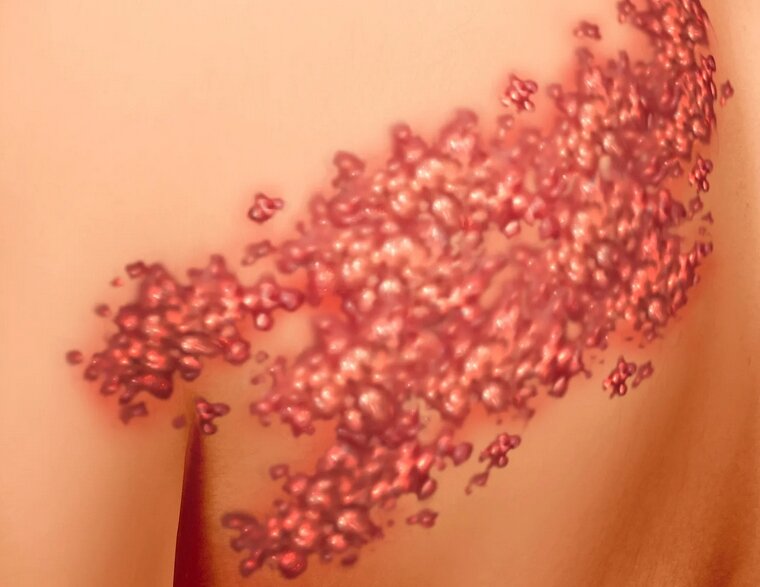

There are several different causes of night burn. Emotional situations such as stress, anxiety, and depression may cause night burns. Additionally, high caffeine consumption, alcohol use, wrong eating habits, irregular sleep schedule and excessive use of electronic devices can also trigger night burn. In addition, sleep apnea, insomnia and other sleep disorders may also predispose to night burns.
Symptoms and Effects of Night Burn
Symptoms of night burn may vary from person to person, but usually present as follows: difficulty sleeping, problems falling asleep and staying asleep, waking up frequently, feeling tired in the morning, restlessness, tension, and lack of concentration. These symptoms cause decreased sleep quality and decreased daily life performance. Additionally, night burn can lead to serious health problems in the long run, so this problem needs to be taken seriously.
The Importance of Sleep Quality
Sleep is vital for resting the body and mind. During the sleep process, the body renews itself, the immune system becomes stronger, and mental and physical health improves. Good sleep quality increases energy levels, improves concentration, reduces stress and improves overall quality of life. However, sleep problems, such as nightburn, prevent these benefits from being achieved and can lead to long-term health problems.
The Effect of Night Burn on Sleep Quality
Night burn negatively affects sleep quality. People with night burns experience sleep problems due to disruption of sleep patterns. They have difficulty falling asleep, wake up frequently, and have trouble staying asleep. This causes sleep quality to decrease and insufficient sleep. Insufficient sleep causes fatigue during the day, lack of energy, concentration problems and decreased general life performance.
Tips for Managing Nightburn
There are some tips for managing night burn. First of all, you can apply relaxation techniques to reduce stress. Techniques such as yoga, meditation, deep breathing can help reduce night burn. Additionally, adjusting your sleep routine, optimizing your sleep environment, limiting electronic device use, and exercising regularly can also be effective in managing night burn. In addition, creating a healthy diet and reducing caffeine and alcohol consumption can also help reduce the effects of night burn.
Natural Solutions for Night Burn
There are also natural solutions for night burn. For example, herbal teas contain herbs with sleep-promoting properties. Herbal teas such as chamomile tea, lemon balm tea, and fennel tea can be used to reduce night burn and improve sleep quality. Additionally, natural oils such as lavender oil can also be effective in regulating sleep patterns. In addition, paying attention to sleep hygiene, keeping the sleeping environment cool and dark, and creating pre-sleep relaxation routines can also help keep night burn under control.
Seeking Professional Help for Nightburn
If night burn becomes chronic or the symptoms are seriously affecting your life, it is important to seek professional help. Sleep specialists, psychologists, and psychiatrists can offer treatment options for night burns. By determining appropriate treatment methods, the causes of night burn can be identified and sleep quality can be improved. Seeking professional help is an important step in dealing with night burns and can help you have a healthy sleep pattern in the long run.
Long-Term Prevention of Nightburn
Some steps can be taken to prevent night burn in the long term. First of all, it is important to pay attention to stress management and emotional health. To reduce stress levels, implementing stress management techniques, adopting a healthy lifestyle, and strengthening your social support network can be effective. Additionally, paying attention to sleep hygiene, establishing a regular sleep schedule, and optimizing the sleep environment can also help prevent night burns. In addition, exercising regularly, eating healthy and reviewing your sleeping habits are important steps to prevent night burns in the long term.
 Call
Call
 Whatsapp