


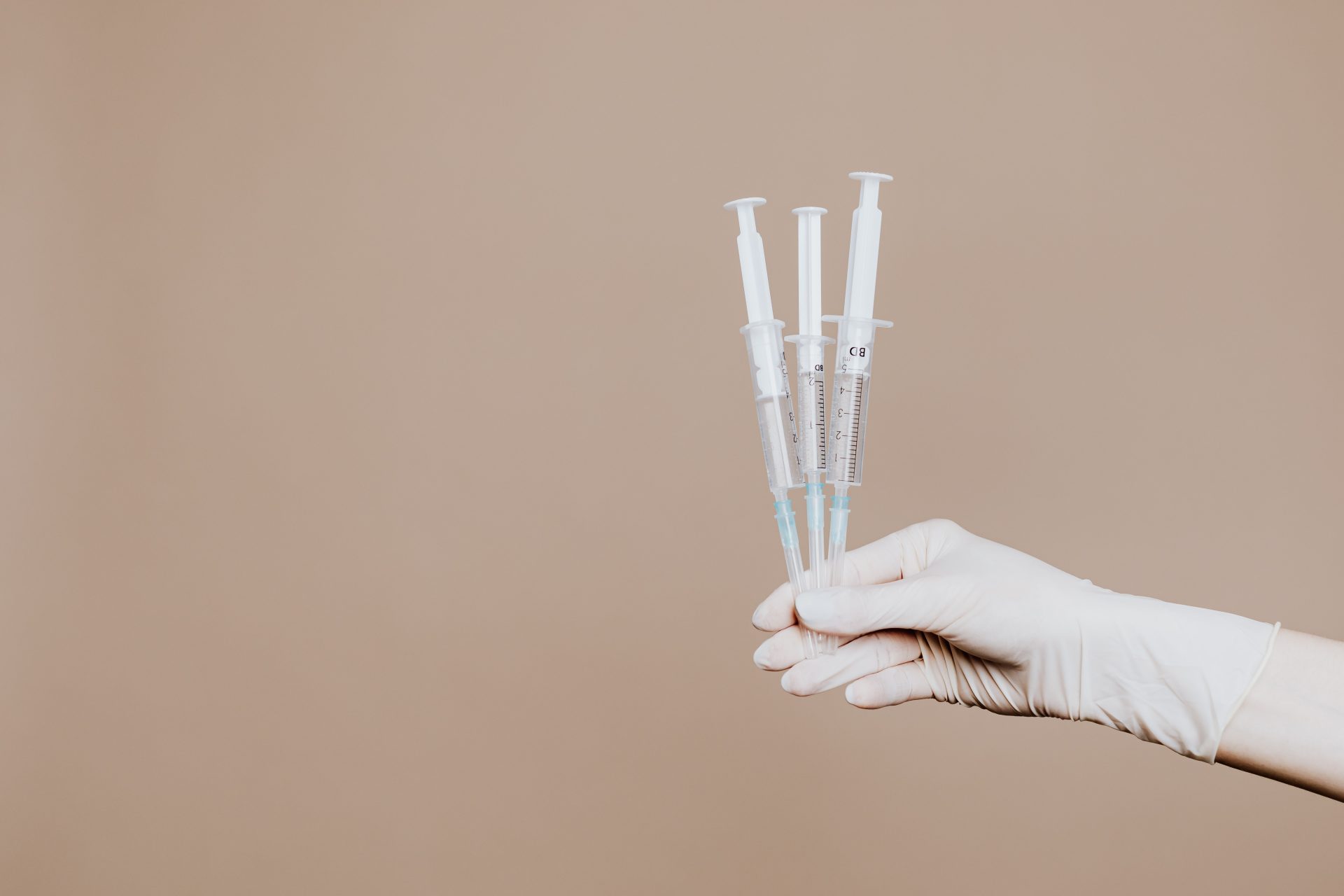

PRP is the abbreviation of Platelet Rich Plasma and is also known as "Platelet Rich Plasma" in Turkish. This treatment method aims to accelerate the healing process of our body by enriching the platelets in our own blood. Platelets are cells found in our blood and contribute to the healing process of our body. PRP treatment involves enriching a sample taken from the patient's own blood with a special process and then injecting it into the patient's body. This process allows platelets to release growth factors and speed up the healing process.
Benefits of PRP treatment
PRP treatment has many benefits. First, PRP treatment is a natural method because the patient's own blood is used. Therefore, there is a lower risk of allergic reactions or immune response to foreign substances. Additionally, PRP treatment is a minimally invasive method, meaning it does not require surgical intervention. This means faster recovery time and less risk of complications. PRP treatment also offers long-lasting results and accelerates the healing process.
Common uses of PRP in medical and aesthetic fields
PRP is used for many different purposes in the field of medicine and aesthetics. For example, PRP treatment is an effective method to combat hair loss. The growth factors of platelets promote hair growth by helping stimulate hair follicles. Additionally, PRP treatment is an effective option for conditions such as joint pain and sports injuries. Because platelets accelerate the healing process and reduce inflammation, it provides faster recovery from joint pain and sports injuries. PRP is also used in skin rejuvenation and anti-aging treatments. The growth factors of platelets promote skin regeneration and help reduce wrinkles.
PRP for hair loss
Hair loss is a common problem faced by many people. Fortunately, PRP treatment is an effective option in combating hair loss. PRP treatment promotes hair growth by stimulating hair follicles. During treatment, a sample of the patient's own blood is processed and platelets are enriched. Next, the enriched platelets are injected into the scalp. The growth factors of platelets work effectively to stimulate hair follicles and promote regrowth. PRP therapy is used to stop hair loss and promote the growth of thicker, healthier hair.
PRP for joint pain and sports injuries
Joint pain and sports injuries are common problems that can negatively impact quality of life. PRP therapy is an effective option to treat such conditions. The growth factors of platelets reduce inflammation and accelerate the healing process. Therefore, PRP treatment provides faster recovery for joint pain and sports injuries. During treatment, a sample of the patient's own blood is processed and platelets are enriched. Next, enriched platelets are injected into the injury site. The growth factors of platelets work effectively to heal the injury site and promote remodeling. PRP treatment reduces pain, restores mobility and allows sports injuries to heal faster.
Skin renewal and anti-aging PRP
Skin rejuvenation and anti-aging treatments are topics that attract the attention of many people today. PRP treatment is an effective option in skin rejuvenation and anti-aging treatments. The growth factors of platelets promote skin regeneration and help reduce wrinkles. PRP treatment enriches platelets by processing a sample taken from the patient's own blood. Next, the enriched platelets are applied or injected onto the skin. Platelet growth factors increase the skin's collagen production and strengthen elastin fibers. This makes the skin look younger and healthier. PRP treatment reduces skin wrinkles, improves skin tone and promotes rejuvenation.
PRP procedure and treatment process
PRP treatment is usually performed in several steps. The first step is to take a sample of the patient's own blood. This sample is enriched through a special process and then injected back into the patient's body. The treatment process usually takes about 30-60 minutes and does not require local anesthesia. PRP treatment is usually applied in several sessions and the results appear over time. After treatment, patients can usually return to their daily activities immediately. However, it is important to follow your doctor's advice and post-treatment instructions.
Potential side effects and precautions
PRP therapy is generally considered safe, but it does have some potential side effects. The most common side effects include temporary pain, swelling and redness. These are usually mild and temporary, but it is important to be careful during the post-treatment period. Te
 Call
Call
 Whatsapp