


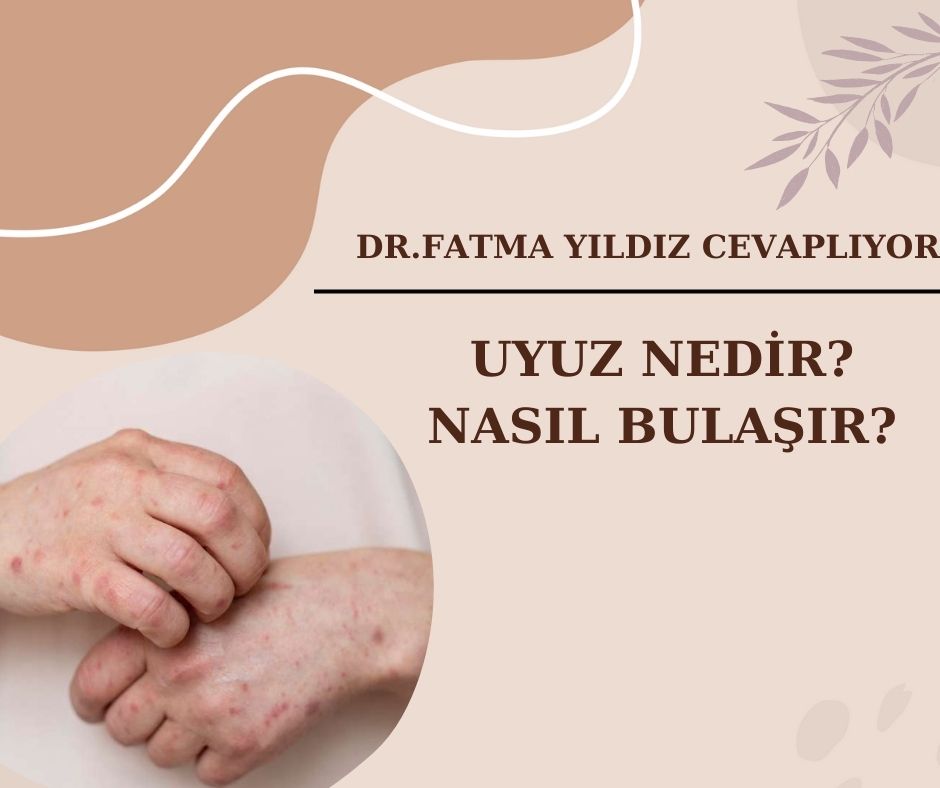

What is Scabies and How is it Transmitted?
Scabies is a parasitic infection that manifests itself with severe itching and rashes on the skin. The mites that cause the disease dig tunnels under the skin and lay their eggs there. The ways scabies is transmitted are as follows:
Close and prolonged skin contact (such as sleeping in the same bed, holding hands)
Using shared clothing, towels or sheets
Being in crowded environments for a long time (for example, boarding schools, nursing homes, military units)
Scabies cannot be transmitted from pets to humans, because human scabies and animal scabies are caused by different types of parasites.
What are the Symptoms of Scabies?
The most obvious symptom of scabies is intense itching. Itching becomes more severe especially at night and in warm environments. In addition:
Rashes between the fingers, on the wrists, on the elbows, in the waist area, in the armpits and in the genital area
Red, pimple-like blisters on the skin
Thin, whitish lines on the skin surface (tunnels opened by scabies mites)
In children and individuals with weak immune systems, scabies can spread throughout the body and be more severe, so care should be taken.
Diagnosis and Diagnosis
If you have several of the above symptoms, it is important to consult a dermatologist. Your doctor can usually diagnose with a physical examination. In suspicious cases, a definitive diagnosis can be made by dermoscopy or examination of the mites and their eggs under a microscope.
How is Scabies Treated?
Scabies treatment requires both the patient and close contacts to be treated together. The following should be considered during the treatment process:
1. Local (Regional) Treatment
Permethrin cream: It is usually the first preferred treatment method. It should be applied to the entire body from the neck down and left on the skin overnight, then washed in the morning.
Sulfur ointments and benzyl benzoate lotion: Alternative treatment options.
2. Systemic Treatment (Oral Medicines)
Ivermectin: Can be given orally as a single dose, especially in resistant cases or in patients who cannot use creams.
Antihistamine drugs: Can be used to relieve itching.
3. Environmental Cleaning
All clothes, sheets and towels should be washed and ironed at 60°C.
Unwashable items should be kept in a closed bag for at least 72 hours.
Care should be taken to clean shared items.
Ways to Protect Yourself from Scabies
Avoid prolonged contact with a scabies patient.
Do not share items such as clothing, towels, bed linens.
Be careful in crowded and unhygienic environments.
Conclusion
Scabies is a treatable disease, but it is necessary to apply the treatment completely and take environmental precautions. If your itching does not go away or your symptoms persist, it is important to consult a dermatologist and receive the right treatment.
I wish you healthy days!
 Call
Call
 Whatsapp