


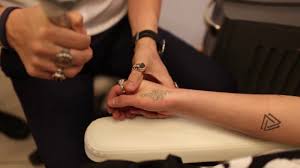

Tattoo removal is the process of removing permanent tattoos on the skin using various methods. Tattooing is an art form in which pigment (ink) is injected into the skin. Over time, some people may regret their tattoos and want to have them removed. The tattoo removal process varies depending on the technology used. The most commonly used methods are laser tattoo removal, dermabrasion and surgical interventions.
Tattoo Removal Methods:
Laser Tattoo Removal:
The Most Common Method: Laser tattoo removal is the most effective and widely used tattoo removal method. Lasers focus on the ink pigments under the skin and break them into pieces. The body naturally cleans these small pigment pieces.
Modern laser technologies such as PicoLazer and Q-Switched Nd:YAG lasers target tattoo pigments and provide effective results without damaging the surrounding tissues.
Time Between Sessions: Laser tattoo removal usually takes several sessions. It can vary between 6 and 10 sessions depending on the size and color of the tattoo. It is usually necessary to wait 4 to 8 weeks between sessions.
Pain and Healing Process: Laser removal is usually mildly painful and there may be redness, swelling or crusting after the procedure. The healing process usually takes a few weeks.
Dermabrasion:
Mechanical Skin Scraping: Dermabrasion is a method that scrapes tattoo pigments from the upper layer of the skin. This process removes ink particles by sanding the skin surface of the tattooed area.
Pain and Healing Process: Dermabrasion is usually performed under local anesthesia. The healing period may be longer and there may be side effects such as bleeding, crusting and sensitivity on the skin after the procedure.
Surgery (Skin Removal):
Surgical Intervention for Small Tattoos: This is a more invasive method for tattoo removal. The skin is surgically removed from the area where the tattoo is located and re-stitched with surrounding tissues. This method is usually preferred for small tattoos and carries a risk of scarring.
Pain and Healing Process: Surgical intervention is usually performed under local anesthesia and the healing process may be longer. In addition, there is a high probability of scarring after this procedure.
Chemical Peeling:
Chemical peeling is a method that peels tattoo pigments from the skin surface. This is done using an acidic solution. However, this method may not be as effective as laser and has a higher risk of scarring.
Tattoo Removal Process and Difficulties:
Size and Depth of the Tattoo: Small and superficial tattoos can usually be removed more easily, while large and deep tattoos require more sessions and effort.
Tattoo Color: Black and dark colored tattoos are easier to remove with laser. However, colored tattoos such as red, green or blue are usually more difficult to remove and require more sessions.
Skin Type: Tattoo removal process may vary depending on skin type. While the effect of laser may be faster in some skin types, more sessions may be required in some skin types.
Recovery After Tattoo Removal:
The healing process after the procedure can usually take a few weeks. There may be conditions such as redness, swelling and crusting on the skin. During this process, it is very important to protect the skin, keep it away from the sun and follow the care instructions recommended by your specialist.
 Call
Call
 Whatsapp