


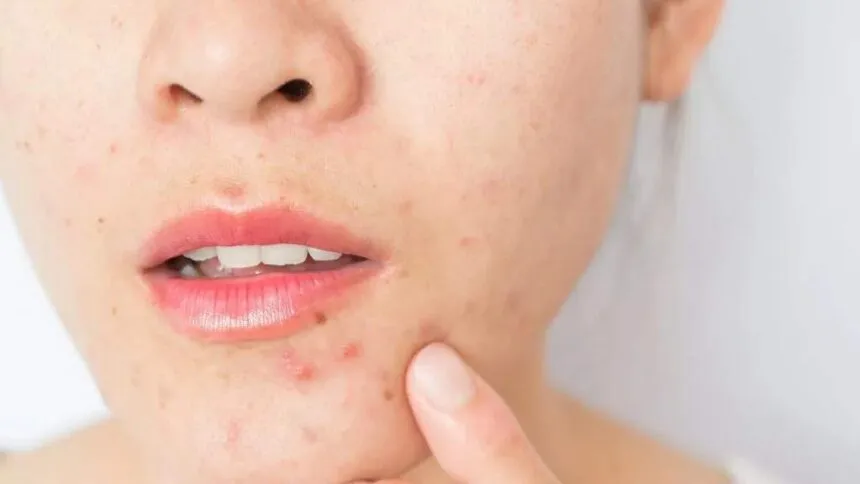

What Do Acne Creams Do?
Acne is a common problem that occurs when the oil glands in the skin get blocked. Acne creams help reduce this blockage, eliminate bacteria and control inflammation in the skin. Especially with regular use, they help accelerate the healing of existing acne while also helping to prevent the formation of new acne.
Is There a Single Cream Suitable for Everyone?
Unfortunately, there is no such thing as "the best acne cream for everyone". Because every skin is different; some skin is oily, some dry and some sensitive. For this reason, a cream that gives miraculous results for one person may not be effective for another person. Skin type, severity of acne and the person's skin history are decisive in choosing the right product.
Creams Frequently Recommended by Dermatologists
Many dermatologists regularly recommend certain products, whether prescription or non-prescription. Here are some of the most frequently recommended ones:
Clindoxyl Gel: Contains antibiotics and benzoyl peroxide, effective for inflammatory acne.
Azelderm: Contains azelaic acid; targets both acne and post-acne spots.
Benzamycin: Used for active acne, especially in young people, with its antibacterial effect.
Skinoren: Preferred in acne vulgaris treatment, suitable for mild to moderate acne.
Creams Containing Retinoic Acid (Tretinoin etc.): Opens pores, reduces blackheads, provides skin renewal.
Things to Consider When Using Cream
How you apply the cream is as important as applying it. First of all, the skin should be clean. The cream should generally be applied in a thin layer to the acne area. Using too much product does not speed up the healing process, on the contrary, it can cause irritation. In addition, some creams make the skin sensitive to the sun, so sunscreen should not be neglected during daytime use.
Are Creams Alone Enough?
While using cream alone is sufficient for some skin types, internal factors such as diet, hormones or stress also play a role in some people. Therefore, people with persistent and intense acne problems may need to see a dermatologist and, if necessary, plan a systemic treatment (pills, serums, etc.).
Last Word
The best acne cream is the product that best suits your skin and that you benefit from regular use. Instead of trying products on your own, getting support from an expert and using the right product correctly is both safer and faster. Remember, the health of your skin starts with you.
 Call
Call
 Whatsapp