


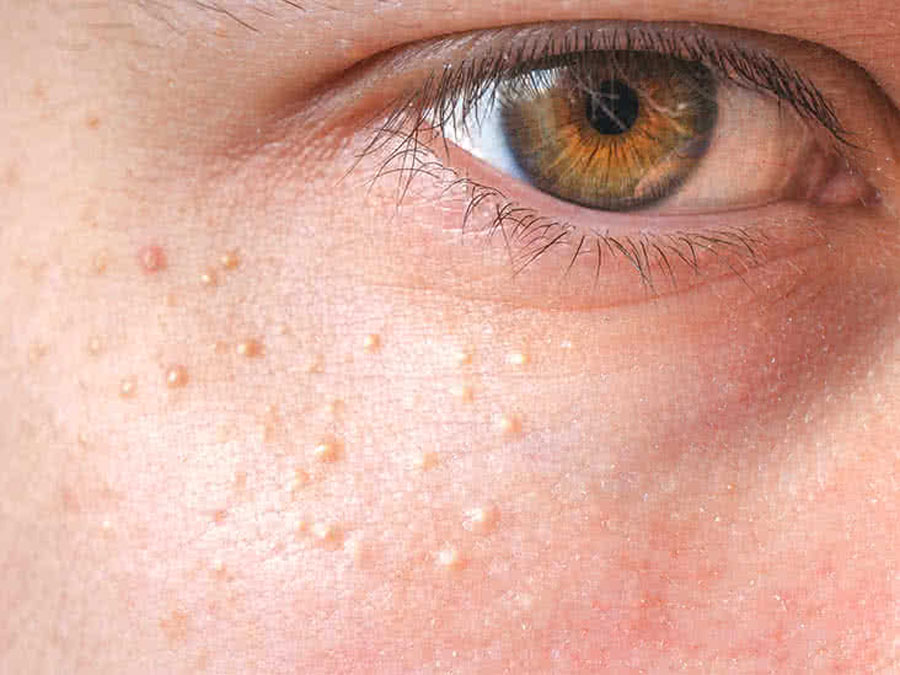

The skin under the eyes has a different structure than other parts of the body. Since the skin in this area is thinner and more sensitive, it becomes more sensitive to various factors. The skin in the under-eye area has a structure where the pores are smaller and the sebaceous glands are fewer. Therefore, although acne formation on the skin in this area is less common, it can still occur.
Common causes of under eye acne
There are several common reasons why under-eye acne occurs. The first is hormonal factors. Acne formation is more common during adolescence or during periods of hormonal changes. Hormones can increase oil production in the skin and cause clogged pores.
Another common cause is skin care products. The under-eye area often comes into contact with products such as eye creams and makeup. Some ingredients found in these products can clog pores and contribute to acne formation.
In addition, lifestyle and nutritional factors may also affect the formation of under-eye acne. A stressful lifestyle, irregular sleep, unhealthy eating habits and insufficient water consumption can prevent healthy skin and increase acne formation.
Hormonal factors and under-eye acne
Hormonal changes are one of the most common causes of under-eye acne. Especially during puberty, changes in hormone levels in the body increase the skin's oil production. This increase can lead to clogging of pores and acne formation.
In women, hormonal fluctuations such as menstrual periods can also trigger the formation of under-eye acne. The hormone progesterone can increase oil production in the skin and clog pores. For this reason, some women may notice that under-eye acne increases during their menstrual periods.
Hormonal factors can influence the occurrence of under-eye acne not only during puberty or menstruation, but also during other periods when there are hormonal imbalances. For example, hormonal changes occur during pregnancy or menopause, which can increase acne formation.
Skin care products and under eye acne
The under-eye area has a sensitive skin structure and therefore requires special care. However, using the wrong skin care products can cause under-eye acne. Especially eye creams and make-up products can irritate the skin in this area and clog the pores.
Oils or chemicals found in some makeup products can cause irritation and acne in the under-eye area. Therefore, people who suffer from under-eye acne should be careful when choosing skin care products and choose products specially formulated for the under-eye area.
Additionally, when makeup products are not cleaned properly, they can build up on the skin and clog pores. This may increase the formation of under-eye acne. Therefore, it is important to regularly remove makeup and keep the skin clean every night.
Lifestyle and nutritional factors
The occurrence of under-eye acne may also be associated with lifestyle and nutritional factors. For example, stress, irregular sleep, unhealthy eating habits and inadequate water consumption can negatively affect skin health and increase acne formation.
A stressful lifestyle can cause an increase in the cortisol hormone in the body. This hormone increases the skin's oil production and can clog pores. Additionally, irregular sleep inhibits skin regeneration and can trigger the formation of under-eye acne.
Unhealthy eating habits can also contribute to under-eye acne. Consumption of fast food, sugary and fatty foods negatively affects skin health and increases acne formation. Additionally, insufficient water consumption disrupts the skin's moisture balance and can increase acne formation.
Treatment and prevention of under eye acne
There are several different methods for treating and preventing under-eye acne. First, it's important to tailor your skin care routine specifically for the under-eye area. Using cleansing and moisturizing products specifically formulated for the under-eye area can help keep skin clean and hydrated without clogging pores.
Additionally, adopting a healthy lifestyle can also help prevent under-eye acne. Exercising regularly, reducing stress, getting enough sleep, and eating a healthy diet can support skin health and reduce acne formation.
There are also some natural solutions you can apply at home to treat under-eye acne. For example, applying aloe vera gel to the under-eye area can soothe skin and reduce acne. Additionally, tea tree oil also has antiseptic properties and may help heal under-eye acne.
When to seek professional help?
Most under eye acne conditions can be treated at home. However, in some cases it may be necessary to seek professional help. Seek help from a dermatologist, especially if your under-eye pimples are extremely swollen, red, or painful.
 Call
Call
 Whatsapp