


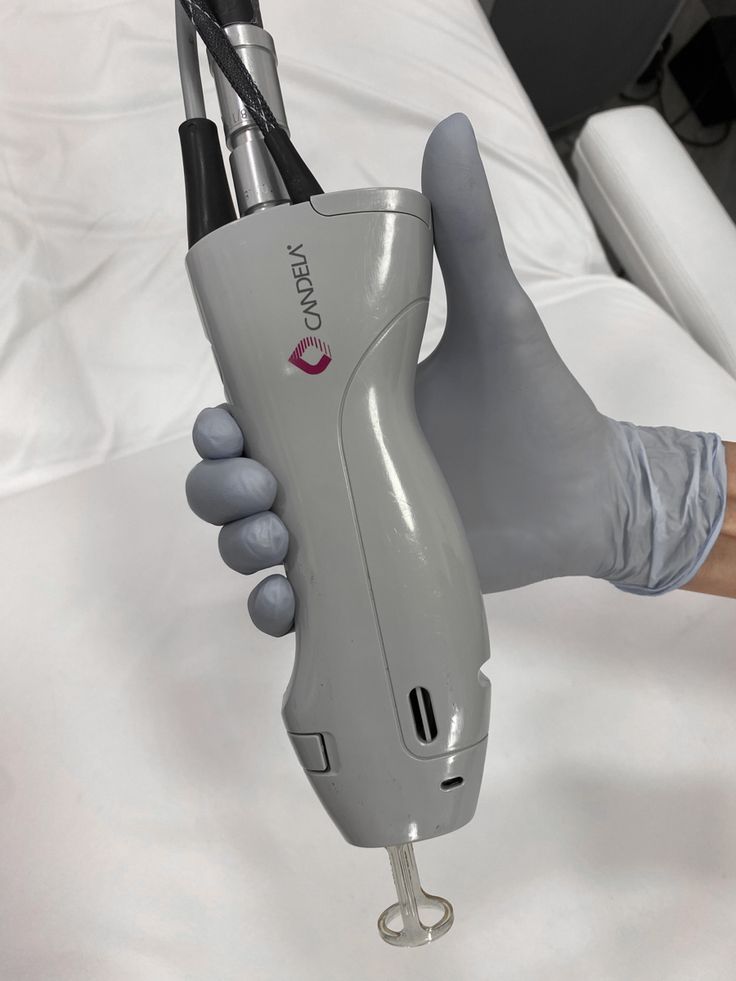

Laser epilation is one of the most popular and effective methods of epilation today. Laser epilation safely and effectively removes unwanted hair using a high-intensity light beam. The success of laser epilation is directly related to the laser light reaching the hair follicles and its effect on these roots. At this point, the number of laser epilation pulses emerges as an important factor.
The number of laser epilation pulses refers to the number of light pulses emitted by a laser device in one second. This number directly affects the effectiveness and results of the epilation process. Laser devices with a higher number of pulses can target more hair follicles in a shorter time, thus providing faster and more effective epilation. In contrast, devices with a lower number of pulses can be slower and less effective.
The correct selection of the number of laser epilation pulses affects both the duration of the treatment and the permanence of the results. While a higher number of pulses provides faster and more effective epilation, a lower number of pulses may require a longer treatment period. In addition, a higher number of pulses can provide deeper and more permanent results.
How to Determine the Number of Laser Epilation Pulses?
The number of laser epilation pulses varies depending on the technical specifications of the laser device used. Device manufacturers usually specify the pulse numbers of laser epilation devices. This information is included in the device's catalog or promotional materials.
For example, a laser epilation device may have a pulse number of 10 Hz (Hertz). This means that the device emits 10 light pulses per second. Devices with a higher pulse number can provide faster and more effective epilation.
However, it should be noted that the number of laser epilation pulses does not only depend on the device features. The number of pulses also depends on factors such as the experience of the specialist performing the epilation application, hair structure, and skin type. Therefore, the most appropriate number of pulses for each person may vary.
Factors Affecting the Number of Laser Epilation Pulses
There are many factors that affect the number of laser epilation pulses. The most important of these are:
Hair Structure and Color: Thick, dark hairs require a higher pulse rate, while thin and light-colored hairs can be effectively treated with a lower pulse rate.
Skin Type: Dark or sensitive skins require a lower pulse rate, while light-colored and more resistant skins can provide better results with a higher pulse rate.
Body Area: The density and thickness of hairs in different parts of the body may vary. Therefore, the appropriate pulse rate should be determined for each area.
Expert Experience: The experience of the expert performing the laser epilation application plays an important role in choosing the correct pulse rate. Experienced experts can determine the most appropriate pulse rate according to the needs of each customer.
Device Features: The technical features of the laser epilation device used directly affect the pulse rate. More advanced devices may have higher pulse rates.
All of these factors play an important role in determining the pulse rate of laser epilation. An expert epilation expert can choose the most appropriate pulse rate for each customer by taking these factors into account.
Laser Epilation Pulse Count and Treatment Process
The number of laser epilation pulses also significantly affects the treatment process. Laser devices with a high pulse count provide faster and more effective epilation, while devices with a low pulse count may require a longer treatment process.
In general, laser epilation treatment is performed in 4-6 sessions. However, since the needs and response rate of each customer are different, the number of sessions may vary. Devices with a high pulse count require fewer sessions, while devices with a low pulse count may require more sessions.
During the treatment process, the expert epilation specialist observes the customer's reaction and can adjust the number of pulses if necessary. In this way, the most appropriate and effective treatment can be provided for each customer.
The number of laser epilation pulses also affects the permanence of the treatment results. Devices with a high pulse count provide deeper and more permanent results, while devices with a low pulse count may provide more temporary results.
Contact an expert epilation specialist to determine the most appropriate number of pulses for your laser epilation treatment. They will evaluate your specific needs and help you achieve the most effective and lasting results.
 Call
Call
 Whatsapp