


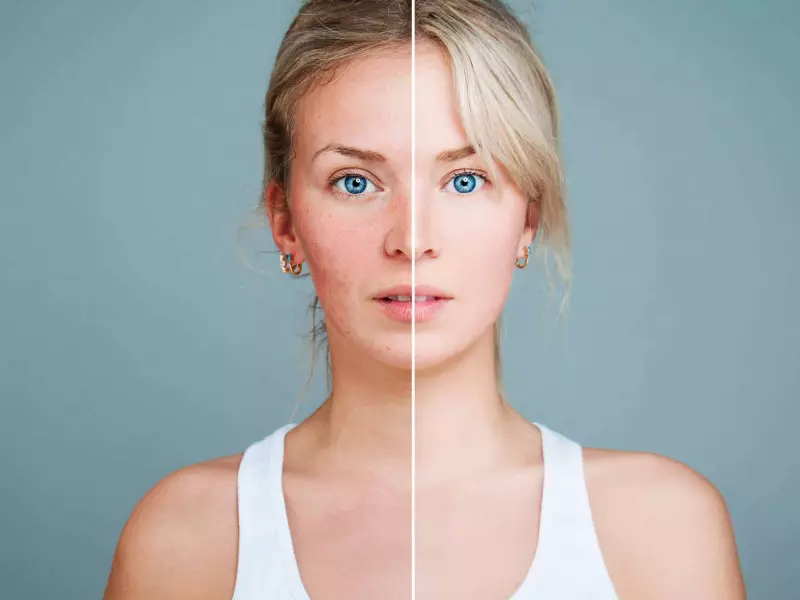

Facial pigmentation treatment includes methods used to reduce the appearance of dark spots that develop over time or because of various external factors. These spots may be associated with sun exposure, ageing, genetic factors or hormonal changes. Facial pigmentation treatment may help reduce their appearance and support a more balanced and smoother-looking complexion.
Treatment varies according to the type and depth of the pigmentation and individual skin structure. Professionally recommended topical products may be considered for certain superficial pigment concerns, while more noticeable spots may require professional procedures. Creams, chemical peels and laser treatments are among the commonly evaluated methods.
Regular treatment and suitable skincare may create a visible change in pigmentation. However, not every method is suitable for every type of spot, and results vary between individuals. Assessment by a dermatologist or qualified healthcare professional is important when selecting an appropriate method.
What Is Melasma and Why Does It Develop?
Melasma is a pigmentation condition that usually appears on the face as brown or grey-brown patches. It commonly affects the cheeks, nose, forehead, chin and upper-lip area. It is seen more frequently in women, particularly in association with hormonal changes during pregnancy. It is therefore sometimes referred to as the “mask of pregnancy.”
Sun exposure is an important factor in the development of melasma. Ultraviolet and visible light may affect pigment production and contribute to the patches becoming more noticeable. Genetic susceptibility and hormonal changes may also be associated with melasma. Birth-control medication or certain hormone treatments may trigger melasma in susceptible people.
Melasma treatment is planned according to its extent and depth and individual skin structure. Topical products, chemical peeling and selected laser procedures may be considered as part of pigmentation treatments. Because melasma tends to recur, sun protection and suitable skincare are important parts of treatment.
Relationship Between Facial Pigmentation Treatment and Melasma
Melasma and other facial spots may both be associated with increased pigment concentration. However, their causes, depth and response to treatment differ. Facial pigmentation treatment includes various methods used to reduce the appearance of melasma and other pigment concerns.
Some methods used for melasma may also be considered for other types of pigmentation. Chemical peels, topical products and selected laser procedures may be used for both melasma and other forms of hyperpigmentation. However, the same method and settings are not suitable for every type. Aggressive treatment may cause melasma to become darker or noticeable again.
Melasma may require long-term monitoring and has a tendency to recur. Complete and permanent removal may not always be possible. Regular professional follow-up, sun protection and adherence to an individual skincare plan are therefore important.
Types of Pigmentation Treatments
Many different methods are available to reduce visible skin pigmentation. Commonly considered pigmentation treatments include:
-
Topical Creams: These products may contain different active ingredients that affect pigment formation. Hydroquinone, tretinoin and combinations containing corticosteroids in selected cases may be used following professional assessment. They should not be used without guidance because of the risk of irritation and unwanted colour changes.
-
Chemical Peels: Chemical peeling creates controlled exfoliation of the upper skin layer and may support skin renewal and reduce the appearance of certain superficial spots. Ingredients such as glycolic acid, salicylic acid and lactic acid may be used.
-
Laser Treatments: Laser procedures may help reduce visible pigmentation by targeting selected pigment areas. The device and energy settings used during Ankara Lazer procedures should be selected according to natural skin tone and the characteristics of the pigmentation.
-
Microdermabrasion: This method creates controlled mechanical abrasion in the upper skin layer and aims to reduce the appearance of certain superficial texture and colour irregularities.
The preferred method depends on the type, depth and cause of the pigmentation and individual skin structure. Professional assessment is important because the effects and possible side effects of each method differ.
Skin Pigmentation Treatments: Which Methods Are Most Effective?
There is no single most effective method among skin pigmentation treatments for every person and every type of spot. The appropriate treatment varies according to the pigmentation and individual skin structure. Methods that may be considered include:
-
Laser Treatments: Laser procedures may help reduce certain dark spots by targeting areas of concentrated pigment. The depth of effect varies according to the technology used. The risk of darkening should be considered during Ankara Lazer procedures, particularly for melasma and darker skin tones.
-
Chemical Peels: Chemical peeling creates controlled exfoliation of the upper skin layer and may reduce the appearance of certain mild and superficial spots. The type and intensity should be selected according to individual characteristics.
-
Topical Creams: When used regularly and carefully, topical products may help reduce visible pigment differences. Products and active ingredients should be selected under professional guidance.
The effects of these methods vary according to skin type and pigmentation characteristics. Professional assessment is required when choosing a suitable method.
What You Should Know About Ankara Lazer Treatment
Ankara Lazer treatment is one of the methods that may be considered for certain skin spots and selected cases of melasma. Laser energy may help reduce visible pigmentation and support a more balanced-looking complexion by targeting concentrated pigment.
The response and the time required to notice changes vary from person to person. Some people may notice a change after the first sessions, while others may require several procedures. Laser treatment is not suitable for every skin type or every case of melasma. Skin tone, the type of pigmentation and medical history should therefore be assessed beforehand.
Redness, sensitivity, swelling, crusting or temporary colour changes may occur afterwards. There may be a risk of unwanted darkening, particularly in melasma or darker skin tones. Sun protection and suitable aftercare may help the process progress in a more controlled manner.
Points to Consider After Facial Pigmentation Treatment
Certain points should be considered after treatment to support recovery and reduce the risk of unwanted reactions. Aftercare should be selected according to the procedure and individual skin structure.
-
Sun Protection: The skin may become more sensitive after treatment. Broad-spectrum sunscreen suitable for the skin type and containing at least SPF 30 may be used. Avoiding intense sun exposure may help reduce the risk of pigmentation becoming darker.
-
Gentle Skincare: Cleansing and moisturising should be performed using gentle products. Harsh, abrasive or irritating products may need to be avoided for the period recommended by the practitioner.
-
Regular Follow-Up: Follow-up appointments may help assess the skin’s response and possible side effects.
These steps may help support the skin barrier and recovery. Since results vary between individuals, personal aftercare and follow-up recommendations should be followed.
 Call
Call
 Whatsapp