


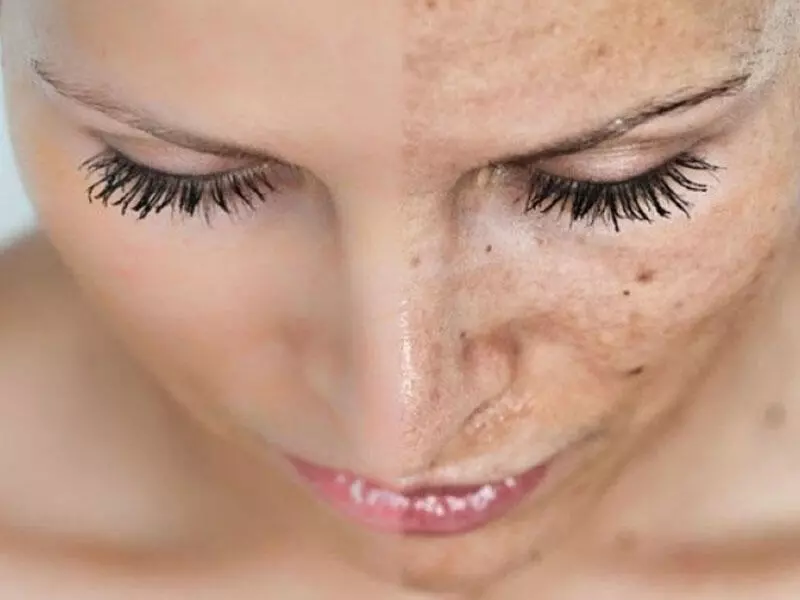

Skin tone evening refers to approaches intended to reduce visible differences in skin color and create a more uniform appearance. Pigmentation and discoloration may develop due to various factors and can affect how even the skin looks. Skin tone evening treatments aim to improve the appearance of these irregularities.
Methods used for skin tone evening may include cosmetic products and different dermatological treatments. Peeling Pigmentation Treatment, serums, creams, and selected laser procedures may be considered depending on the type of pigmentation and individual skin characteristics.
At centers providing Ankara Laser applications, certain laser technologies may be used to target selected pigmentation concerns. However, treatment suitability varies according to the cause and depth of pigmentation, skin type, and individual response. This is particularly important in conditions such as melasma, where treatment requires careful planning.
What Is Melasma and How Does It Develop?
Melasma is a common pigmentation condition that causes darker patches to develop on the skin. It most commonly affects the face, particularly the cheeks, forehead, upper lip, and other sun-exposed areas.
The exact cause of melasma is not fully understood, but hormonal factors, ultraviolet exposure, genetic predisposition, and other influences may contribute to its development. Melasma that appears during pregnancy is sometimes referred to as the “mask of pregnancy.”
Sun exposure plays an important role in melasma. Ultraviolet and visible light may stimulate pigment production and make existing areas of melasma more noticeable.
For this reason, sun protection is an important part of both treatment and long-term management. Sunscreen, protective clothing, wide-brimmed hats, and limiting excessive sun exposure may help reduce worsening.
Melasma can be persistent and may require long-term management. Improvement is possible, but recurrence can occur even after successful treatment.
Relationship Between Skin Tone Evening and Melasma
The relationship between skin tone evening and melasma is based on their shared focus on visible pigmentation differences.
Melasma causes areas of darker pigmentation, while skin tone evening approaches aim to reduce the contrast between these areas and the surrounding skin.
For this reason, treatments used to manage melasma may also improve the overall appearance of skin tone.
Methods that may be considered include topical treatments, chemical peeling, and selected laser or light-based procedures. However, not all methods are suitable for every person with melasma.
The goal is generally to reduce the visible appearance of pigmentation while minimizing factors that may trigger recurrence.
Skin tone improvement in melasma usually requires patience, consistent sun protection, and an individualized treatment plan.
Melasma Treatment Methods
Different treatment methods may be considered depending on skin type, the severity of pigmentation, medical history, and individual response.
Topical Creams and Serums
Certain topical ingredients may be used to help reduce the appearance of melasma.
Products containing hydroquinone, tretinoin, corticosteroids, or other active ingredients may be prescribed or recommended in selected cases. These products should be used according to professional guidance because they may cause irritation or other unwanted effects if used incorrectly.
Chemical Peeling
Chemical peeling involves controlled exfoliation of the outer layers of the skin.
Selected superficial or medium-depth peels may be considered as part of a melasma treatment plan. However, inappropriate treatment intensity may increase irritation or pigmentation in some individuals, so professional assessment is important.
Laser Treatments
Certain laser treatments available through Ankara Laser applications may be considered for selected cases of melasma.
Laser energy can target pigment within the skin, but melasma requires careful treatment planning because excessive or inappropriate energy may sometimes worsen pigmentation.
For this reason, laser treatment should not automatically be considered the best option for every person with melasma.
Skin Tone Evening Methods
Skin tone evening may involve a combination of skin care products and professional treatments.
1. Peeling and Microdermabrasion
These methods exfoliate the outer layers of the skin and may help improve the appearance of selected superficial pigmentation concerns.
Their role in melasma varies, and treatment intensity should be selected according to skin sensitivity and pigmentation characteristics.
2. Brightening Serums and Creams
Products formulated for uneven skin tone may contain ingredients intended to reduce the appearance of pigmentation or support a brighter-looking complexion.
The effectiveness of these products depends on their ingredients, consistent use, and individual skin response.
3. Laser and Light-Based Treatments
Laser and light-based procedures may be considered for selected pigmentation concerns.
Their effectiveness and safety depend on the device, treatment parameters, skin type, and underlying cause of the pigmentation.
In melasma, professional assessment is particularly important because some procedures can trigger further pigmentation if the skin becomes irritated.
What Should Be Considered When Managing Melasma?
Several factors are important when managing melasma.
Sun Protection
Sun exposure is one of the main factors that can worsen melasma.
Broad-spectrum sunscreen, protective clothing, hats, and limiting excessive sun exposure may help reduce recurrence or worsening.
Regular Skin Care
Gentle cleansing, appropriate moisturization, and products selected according to the treatment plan can support skin health.
Harsh or irritating products should generally be avoided, particularly if the skin is already sensitive from treatment.
Managing Triggering Factors
Hormonal changes, medications, heat exposure, and other individual factors may influence melasma in some people.
Stress management may support general well-being, but stress reduction alone should not be considered a direct treatment for melasma.
The Impact of Melasma on Skin Care
Melasma can influence the choice of skin care products and treatment methods.
Products intended for pigmentation concerns should be selected according to skin sensitivity and the individual's treatment plan.
Creams and serums used as part of Pigmentation Treatments may help reduce the appearance of discoloration over time. Regular moisturizing and sun protection also remain important.
The skin care routine should generally be simple and consistent, particularly when active treatments are being used.
Long-term management is often necessary because melasma may recur even after visible improvement.
With individualized treatment, regular sun protection, and appropriate skin care, the appearance of melasma may be reduced and overall skin tone may gradually appear more even.
 Call
Call
 Whatsapp