


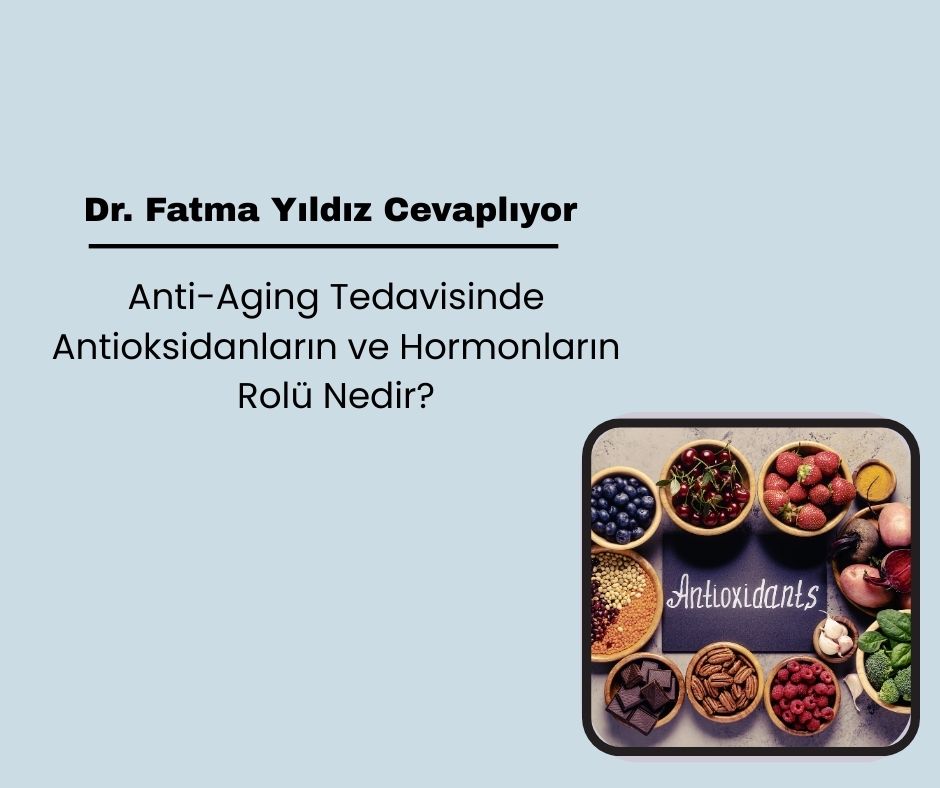

What is the Role of Antioxidants and Hormones in Anti-Aging Treatment?
Aging is a natural process that begins at birth and progresses over time with the decrease in the functions of all cells and organs in the body. However, skin aging is not only chronological; environmental factors can also seriously accelerate this process. External factors such as sunlight (UV), air pollution, smoking, and alcohol increase the formation of free radicals, causing the skin to age.
In this article, we will discuss why antioxidants and hormones are so important in anti-aging treatments in the light of scientific data.
Oxidative Stress and Free Radicals
One of the strongest theories explaining the aging process is the "free radical theory". According to this theory, reactive oxygen species formed in the body damage the cell membrane, DNA, proteins, and lipids. This situation manifests itself with wrinkles, sagging, and a dull appearance on the skin.
Effects of Antioxidants on the Skin
Antioxidants can prevent skin aging by reducing the damage caused by free radicals. The following components are particularly valuable for skin health:
✅ Vitamin A (Retinol and Derivatives)
Increases collagen production.
Reduces wrinkles, thickens the skin.
Equalizes skin tone, reduces pigmentation irregularities.
✅ Vitamin B3 (Niacinamide)
Balances sebum production.
Increases collagen synthesis.
Effective in hyperpigmentation and redness.
✅ Vitamin C
A powerful antioxidant.
Supports collagen synthesis.
Brightens the skin and reduces tone inequalities.
✅ Vitamin E
Protects against the harmful effects of sun rays.
Its effectiveness increases when used with Vitamin C.
It has positive effects on wrinkles around the eyes.
Mineral Supports
Minerals such as zinc, copper, manganese and selenium protect cells against UV damage.
Selenium has a protective effect especially against skin cancer.
Amino Acids and Glutathione
Glutathione is a powerful antioxidant produced by the skin itself.
It protects cells against UV rays and plays a role in the elimination of toxins.
Herbal Antioxidants
Many plants and fruits also have a protective effect on the skin:
Blueberry: Supports collagen and elastin fibers, reduces UV damage.
Garlic: Neutralizes free radicals thanks to its allicin and selenium content.
Green tea, ginkgo biloba, grape seed: High antioxidant capacity, reduces inflammation.
The Role of Hormones in Anti-Aging Treatment
A decrease in serum hormone levels occurs with age. These changes are thought to be effective in the aging process. Balancing hormones such as estrogen, testosterone, melatonin can increase the moisture, elasticity and quality of the skin. However, hormone replacement treatments should be planned specifically for the person and applied by a specialist physician.
Conclusion
Skin aging may be inevitable; however, slowing down this process is in our hands. With topical products containing antioxidants, a balanced diet, environmental protection and hormone support when necessary, the skin can gain a healthier, younger and more vibrant appearance.
Remember: Anti-aging treatments should be planned individually and evaluated by a dermatologist.
 Call
Call
 Whatsapp