


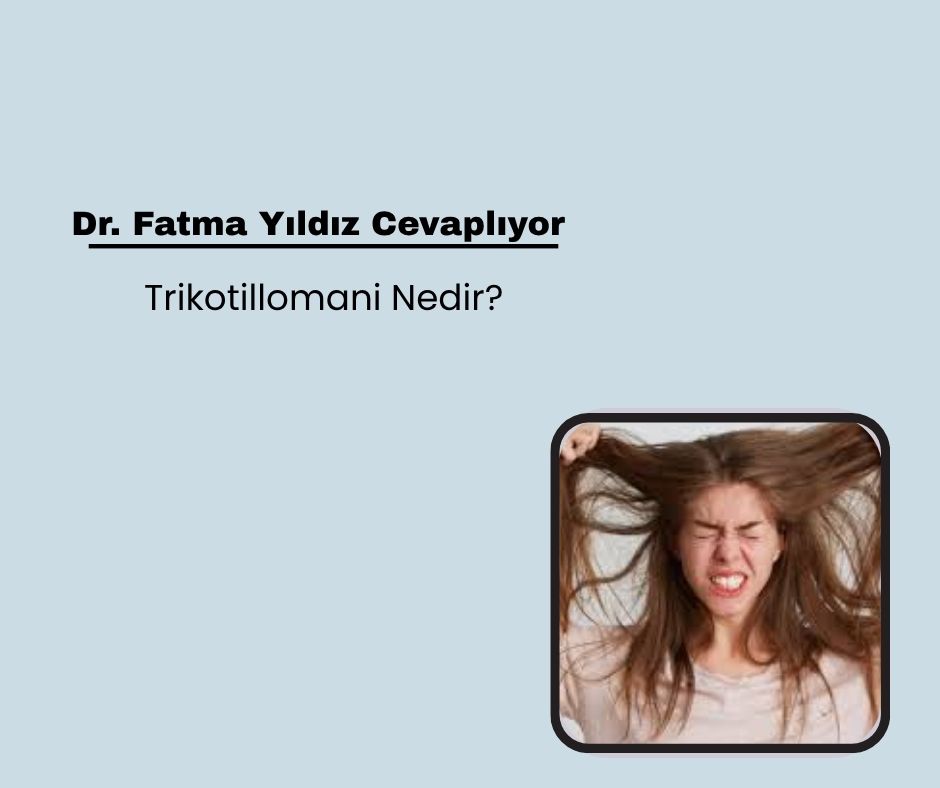

What is Trichotillomania?
Hair Plucking Obsession and Modern Treatment Methods
The stress, anxiety or repressed emotions of daily life can sometimes manifest in unexpected ways. Trichotillomania (TTM) is a psychodermatological disorder in which individuals tear out their own hair, eyebrows or eyelashes in order to cope with these emotions, which is quite challenging and affects the quality of life.
This condition does not only cause hair loss; it also creates embarrassment, social isolation and self-confidence problems in the individual. Fortunately, effective treatment options for TTM have been developed in modern medicine.
What is Trichotillomania?
Trichotillomania is a disorder included under the title of obsessive-compulsive and related disorders in the DSM-5 diagnostic classification. The individual involuntarily pulls out hairs such as hair, eyebrows and eyelashes and is often not even aware of this behavior. Although this impulsive action provides temporary relief for the person, it later results in feelings of regret and anxiety.
Who is it Seen in?
It usually starts in adolescence.
It is more common in women than in men.
It is often seen together with psychiatric problems such as anxiety and depression.
Genetic predisposition, stressful life events and traumas can be triggers.
What are the symptoms?
Repetitive hair, eyebrow, eyelash plucking habit
Thinning, openness or scars in the plucked areas
Relief after the behavior and then regret
In some cases, the plucked hair is taken orally (trichophagia)
How is it diagnosed?
Trichotillomania is usually diagnosed with the patient's history and clinical examination. Broken hair strands of different lengths on the scalp, non-symmetrical areas of shedding and psychological symptoms related to the act of plucking are helpful in the diagnosis.
Current Treatment Methods
1. Psychotherapy
The most effective treatment for TTM is Cognitive Behavioral Therapy (CBT) and especially Habit Change Training (HRT). With this method, the person learns to notice the hair plucking behavior and develop alternative reactions instead.
For example, behavioral modification techniques such as picking up a stress ball when you feel the urge to pull your hair out can yield quite successful results.
2. Drug Treatment (Pharmacotherapy)
In addition to psychotherapy, some medications can also be helpful in the treatment of TTM:
SSRI group antidepressants (e.g. fluoxetine, sertraline)
Antipsychotics (especially if there is an additional psychiatric diagnosis)
Antioxidant agents such as N-acetyl cysteine (NAC)
These medications can increase impulse control by balancing brain chemistry. However, they should definitely be used under the supervision of a psychiatrist.
3. Supportive Approaches
Family counseling and support groups
Keeping a journal, distracting activities
Methods that make it harder to pull out hair (e.g. braiding hair, wearing a bonnet)
Conclusion
Trichotillomania is not just a hair-pulling habit, but an expression of an emotional expression. Therefore, treatment should be addressed not only physically but also psychologically. Individuals who present at an early stage respond quite well to treatment. With both psychotherapy and medication support, people's quality of life can be improved and their social lives can return to normal.
If you or your child has a habit of plucking hair, eyebrows or eyelashes, you should take this situation seriously and seek help from a specialist.
Dr. Fatma Yıldız
Dermatology Specialist
Ankara Life Polyclinic
 Call
Call
 Whatsapp