


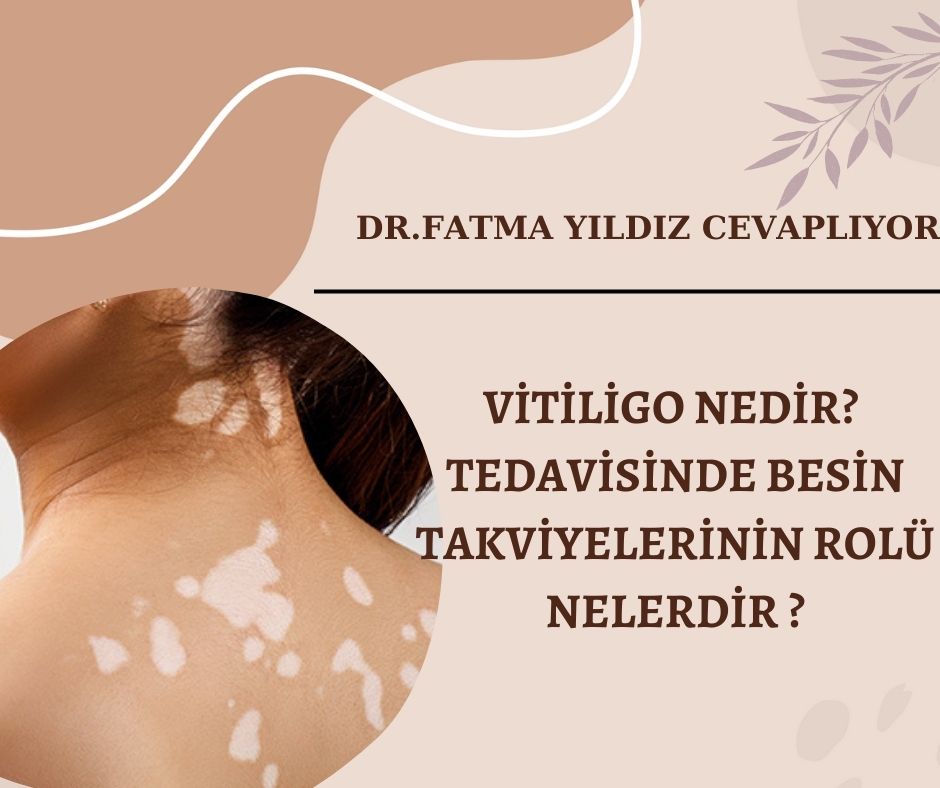

What is vitiligo? What is the role of nutritional supplements in its treatment?
Vitiligo is a skin disease that manifests itself with the formation of white spots on the skin as a result of damage to the melanocytes that give color to the skin. Although the exact cause of the disease is unknown, it is thought that the immune system, oxidative stress, genetics and environmental factors are effective. In addition to methods such as drugs, light therapy (phototherapy) and laser, the effects of nutritional supplements are also being investigated in the treatment of vitiligo.
What are Nutritional Supplements?
Nutritional supplements are products in pill, capsule, powder or liquid form that contain vitamins, minerals and other nutrients to support the body's needs. In the treatment of vitiligo, antioxidants and vitamins in particular can be used as a support along with phototherapy. However, research that definitively demonstrates the effects of these supplements is limited.
____________________________
Supplements Used in Vitiligo Treatment
1. Vitamin B12, B9 (Folate) and Vitamin C
It is thought that these vitamins may have positive effects on vitiligo thanks to their antioxidant properties.
• Some studies have shown that exposure to sunlight provides repigmentation (recoloration of the skin).
• However, no significant improvement was seen in other studies.
2. Alpha-Lipoic Acid
Alpha-lipoic acid is a powerful antioxidant that protects cells from oxidative stress.
• In a study, alpha-lipoic acid was found to increase the effectiveness of phototherapy treatment when used together with vitamin E, polyunsaturated fatty acids and cysteine.
• This combination treatment provided faster and more effective coloration with less light dose.
In addition, cell protective effects and reduced oxidative damage were found in this treatment group.
2. Ginkgo Biloba
The extract of the Ginkgo Biloba plant can protect melanocyte cells with its antioxidant properties. Studies have shown that this plant can stop the progression of vitiligo and help the skin to recolor.
3. Phenylalanine
Phenylalanine is an amino acid that plays an important role in skin color formation. When used together with UVA light therapy, it can provide coloration in a large part of the skin.
4. Vitamin D
Vitamin D can have protective effects on melanocytes. However, its effect in the treatment of vitiligo has not yet been clearly proven. Some studies suggest that low vitamin D levels may be associated with vitiligo.
5. Vitamin E
Vitamin E is an antioxidant that protects the skin from the harmful effects of UV rays. When used with phototherapy, it can increase skin coloration. However, more studies are needed on this subject.
6. Green Tea
Thanks to the powerful antioxidants it contains, green tea can protect melanocytes and reduce oxidative stress in the skin. Some animal studies have shown that green tea can prevent skin color loss.
7. Zinc
Zinc is a mineral necessary for skin health and supports the functioning of melanocytes. Some studies have shown that zinc supplements can have positive effects in the treatment of vitiligo.
8. Phyllanthus Emblica (Amla Fruit)
Amla fruit is known for its high vitamin C content. Studies have shown that the extract obtained from this fruit can increase skin coloration when used with phototherapy.
9. Polypodium Leucotomos
An extract obtained from this tropical fern plant attracts attention with its antioxidant effects. In a study, it was found that this plant extract increased the coloration in the head and neck area when used with phototherapy.
Conclusion
Although nutritional supplements in the treatment of vitiligo seem harmless, they can have side effects such as increasing liver enzymes, so they should not be used uncontrolled. Although the results seem promising, more research is needed on this subject. These supplements can help color the skin by reducing oxidative stress and protecting melanocytes. However, a doctor should always be consulted before using any supplement.
 Call
Call
 Whatsapp