


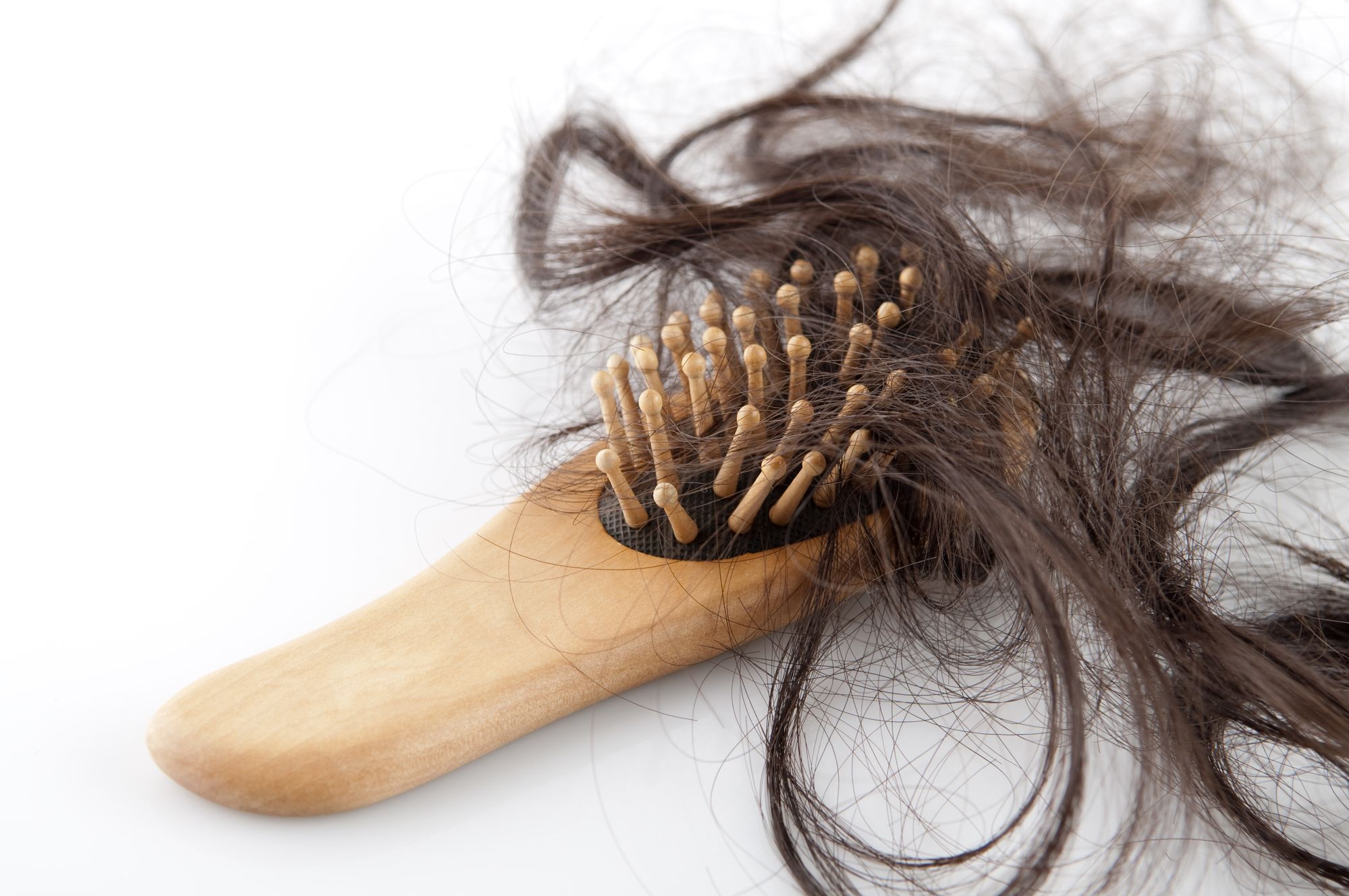

Hair loss is a common problem faced by many people. Having healthy and strong hair is important for both appearance and self-confidence. In this article, we will discuss the causes of hair loss, prevention and treatment methods in detail.
Causes of Hair Loss
Hair loss may occur due to a combination of various factors. Some common causes are:
Hormonal Changes: Hormonal changes such as pregnancy, postpartum period, and menopause can cause hair loss.
Stress: Intense stress can cause premature hair loss. Stress disrupts the body's natural balance and causes hair follicles to weaken.
Nutritional Deficiencies: Inadequate nutrients such as protein, iron, zinc and biotin negatively affect hair health.
Medication Use: Some medications can cause hair loss. For example, chemotherapy drugs used to treat cancer can cause hair loss.
Diseases: Health problems such as thyroid disorders, iron deficiency anemia, polycystic ovary syndrome can lead to hair loss.
Hair Care Products: Products such as misused or poor quality hair dyes, shampoos and hair sprays can negatively affect hair health.
Aging: As we get older, the natural cycle of hair changes and hair loss may increase.
Understanding the causes of hair loss is important to determine appropriate treatment methods.
Nutrition to Cope with Hair Loss
A healthy and balanced diet plays an important role in preventing hair loss. A diet containing the following nutrients will support hair health:
Protein: Proteins, which are the basic building blocks of hair, should be taken in sufficient amounts. Consume protein sources such as red meat, chicken, fish, eggs and legumes.
Iron: Iron deficiency can cause hair loss. Consume iron-rich foods such as red meat, liver, spinach and raisins.
Zinc: Zinc is necessary for hair follicles to stay healthy. Seafood, meat, grains, hazelnuts and peanuts are foods containing zinc.
Biotin: Biotin, an important vitamin for hair health, is found in foods such as eggs, milk, avocado and hazelnuts.
Omega-3 Fatty Acids: Omega-3 fatty acids help nourish hair follicles. It can be obtained from sources such as fish, walnuts and flax seeds.
Additionally, increasing water consumption, managing stress and getting enough sleep also support hair health.
Natural Methods to Deal with Hair Loss
Natural methods can also be effective to prevent and reduce hair loss. Some suggestions are:
Oil Massage: Oil massage applied to the scalp strengthens the hair follicles by increasing blood circulation. Coconut oil, almond oil or argan oil can be used.
Aloe Vera: Aloe vera is effective in preventing hair loss. Aloe vera gel applied to the scalp provides a nourishing effect for the hair follicles.
Nettle: Nettle can be used to prevent hair loss and promote hair growth. It can be consumed in hair care products or as tea.
Egg Yolk: Egg yolk is a rich source of protein for hair. It can be used as a hair mask.
Ginger: Ginger can reduce hair loss by increasing blood circulation. It can be consumed as tea, powder or slices.
Caffeine: Shampoos containing caffeine can prevent hair loss by strengthening hair follicles.
Hazelnut Oil: Hazelnut oil contributes to the strengthening and shine of hair.
Applying these natural methods regularly will support hair health.
Medical Treatments to Deal with Hair Loss
If natural methods are not sufficient, medical treatments can also be effective in reducing hair loss. Some suggestions are:
Minoxidil: Minoxidil is a topical medication used to reduce hair loss and stimulate new hair growth.
Finasteride: Finasteride is an oral medication used to prevent hair loss in men.
Steroid Injections: In cases of severe hair loss, steroid injections can be applied.
Laser Treatment: Low-intensity laser beam promotes hair growth by increasing blood circulation.
PRP (Platelet Rich Plasma) Treatment: PRP reduces hair loss by strengthening hair follicles.
Hair Transplant: In cases of severe hair loss, hair transplant surgery can be performed.
Medical treatments should be administered under the supervision of a specialist doctor. The choice of treatment will be determined by each person's specific situation.
Stress Management to Deal with Hair Loss
Stress is one of the important causes of hair loss. Coping effectively with stress is important to maintain hair health. The following suggestions may help with stress management:
Regular Exercise: Regular physical activity helps reduce the stress hormone cortisol.
Meditation and Yoga: Meditation and yoga reduce mental and physical stress.
Social Support: Getting support from family, friends and experts reduces the effects of stress.
Sleep Pattern: Adequate and quality sleep plays an important role in stress management.
Hobbies and Activities: Hobbies and activities
 Call
Call
 Whatsapp