


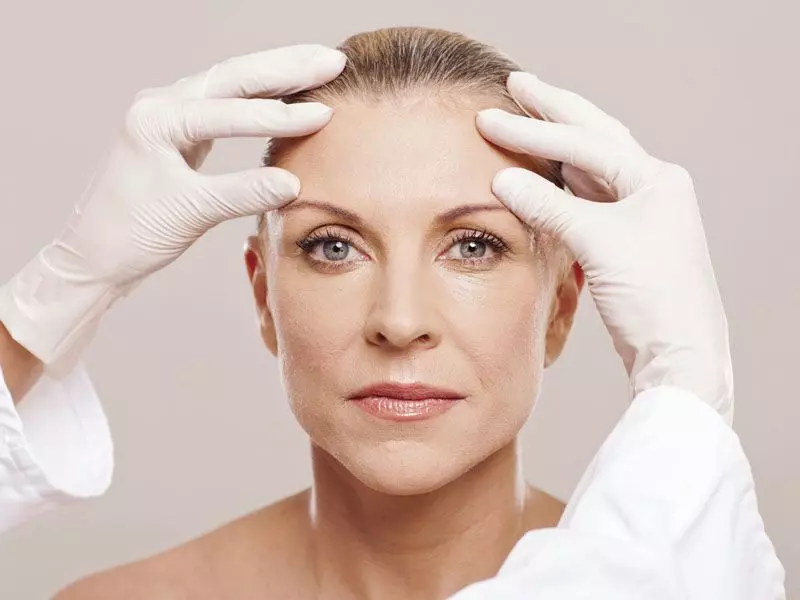

Botulinum toxin application is a treatment method that has become increasingly popular in both aesthetic and medical fields. In this article, we will discuss topics such as what should be considered after botulinum toxin application, botulinum toxin applications, and their effects. We will also detail what should be done and what should be avoided during the recovery process after botulinum toxin application.
What Is Botulinum Toxin Application?
Botulinum toxin application is a form of botulinum toxin applications, which use a toxin obtained from the bacterium Clostridium botulinum. This toxin temporarily relaxes the muscles and reduces the appearance of wrinkles and fine lines. Botulinum toxin application is generally used in areas such as the forehead, between the eyebrows, and around the eyes. In addition to cosmetic use, it may also be effective in the management of health problems such as migraine, excessive sweating, and muscle spasms.
Botulinum toxin is injected under the skin with a fine needle. The application usually takes a short time and causes minimal discomfort. However, for botulinum toxin application to be effective and suitable, it should be performed by a specialist physician. Incorrect application may lead to unwanted results and side effects.
Before the application, it is important to share your expectations and concerns with your doctor. In this way, your doctor can evaluate whether botulinum toxin application is suitable for you and create a personalized plan to achieve more appropriate results.
Things to Consider After Botulinum Toxin Application
There are certain rules to follow after botulinum toxin application. By following these rules, you can support the post-procedure recovery process and help maintain the results for a longer time.
Keep Your Head Upright: During the first 4 to 6 hours after the application, it is important to keep your head upright. This helps prevent the toxin from spreading to unwanted areas. During this period, avoid lying down or bending forward.
Avoid Exercise: You should avoid intense physical activity during the first 24 hours. Exercising may increase blood circulation and cause the toxin to spread. You may take light walks, but be careful not to overexert yourself.
Alcohol and Medication Use: It is best to avoid alcohol consumption before and after botulinum toxin application. Alcohol may widen blood vessels and increase the risk of bruising. In addition, you should avoid painkillers or blood-thinning medications that have not been approved by your doctor.
Botulinum Toxin Applications and Their Effects
Botulinum toxin applications are used not only for aesthetic purposes but also in many medical conditions. These applications are injected into different areas of the body and help manage various complaints.
Migraine Management: Botulinum toxin application is accepted as an effective method in suitable cases of chronic migraine management. It may reduce the frequency and severity of migraine attacks. Injections applied to the head and neck area may help relieve migraine symptoms.
Excessive Sweating / Hyperhidrosis: For people who experience excessive sweating, botulinum toxin may offer an effective solution. The toxin reduces the activity of sweat glands and helps control the amount of sweating. It can especially be applied to the underarms, palms, and soles of the feet.
Muscle Spasms and Dystonia: Botulinum toxin is also used to manage involuntary muscle spasms and muscle stiffness. Especially in conditions such as cervical dystonia, it helps prevent excessive muscle contraction and provides relief.
Recovery Process After Botulinum Toxin Application
The recovery process after botulinum toxin application is generally quick and comfortable. However, taking certain precautions is important to manage this process properly.
During the first few days, mild redness, swelling, or bruising may be seen in the injection areas. These usually disappear within a short time. Ice application may be an effective method to reduce swelling and bruising. However, when applying ice, make sure it does not come into direct contact with the skin.
During the recovery process, try not to move your facial muscles excessively. This may help the effect of botulinum toxin last longer. In addition, be gentle around the injection points when using skincare products or makeup.
Finally, following all instructions and recommendations given by your doctor will support your recovery process. If you notice any abnormality or concerning situation, you should contact your doctor immediately.
Common Side Effects of Botulinum Toxin Application
As with every cosmetic or medical procedure, some side effects may occur after botulinum toxin application. However, these side effects are generally mild and temporary.
Pain or Sensitivity at the Injection Site: Mild pain or sensitivity may be felt in the injected area after the application. This usually resolves on its own within a few hours.
Redness and Swelling: Mild redness or swelling may occur on the skin immediately after the botulinum toxin injection. Such reactions are generally short-term and disappear within a few days.
Headache: Some people may experience a mild headache after botulinum toxin application. This condition is usually temporary and can be controlled with simple pain relievers. However, if the headache is severe or lasts for a long time, you should consult your doctor.
Lifestyle Changes After Botulinum Toxin Application
Making some lifestyle changes after botulinum toxin application may support the effectiveness of the treatment and help maintain results for a longer time.
Skincare: Paying attention to skincare after botulinum toxin application is important. Protect your skin from the harmful effects of the sun by using sunscreen. In addition, keeping your skin moisturized with moisturizing creams may support the effect of the application.
Healthy Nutrition: A balanced and healthy diet supports the overall health of your skin. Fruits and vegetables rich in antioxidants may improve skin elasticity and support a more refreshed appearance.
Avoiding Stress: Stress may contribute to the formation of wrinkles and fine lines on the skin. Relax with stress-reducing activities such as meditation, yoga, or deep breathing techniques.
Which Specialists Should Be Consulted for Botulinum Toxin Application?
Botulinum toxin application should be performed by an experienced and qualified physician. This is critical for preventing unwanted results and complications.
Dermatologists: Dermatologists, who specialize in skin health, are among the suitable specialists for botulinum toxin applications. They can provide appropriate dosage and technique according to your skin.
Plastic Surgeons: Plastic surgeons experienced in aesthetic surgery can create a personalized botulinum toxin application plan by considering your facial features and skin structure.
Aesthetic and Cosmetic Physicians: Physicians specialized in this field have detailed knowledge about botulinum toxin applications and can perform the procedure in a controlled way.
Frequently Asked Questions About Botulinum Toxin Application
How long does botulinum toxin application remain effective?
The effect of botulinum toxin generally lasts 3 to 6 months. However, this duration may vary from person to person. Regular applications may help maintain the effect for a longer time.
Does botulinum toxin application change my facial expression?
When applied with the appropriate dose and correct technique, botulinum toxin application does not usually change your facial expression. Unwanted wrinkles are targeted while preserving natural facial expressions.
Is botulinum toxin application safe?
Botulinum toxin products have approved medical and aesthetic uses and have been used for many years. However, the application must be performed by a specialist physician to reduce risks and achieve suitable results.
 Call
Call
 Whatsapp