


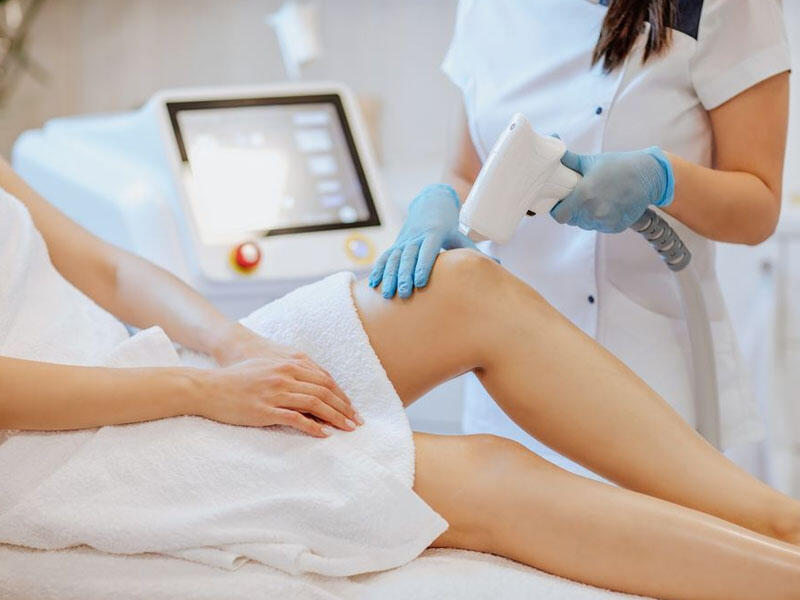

Leg laser hair removal is considered one of the most effective methods for getting rid of unwanted hair. This application has become quite popular for both women and men. So, what is this procedure and how does it work?
What Is Leg Laser Hair Removal?
Leg laser hair removal is a method that provides permanent hair reduction by directing concentrated light energy to the hair follicles. Laser devices target the melanin pigment in the hair follicles. This energy disables the hair follicles and prevents hair from growing back.
The laser hair removal procedure usually requires several sessions. These sessions may vary depending on skin and hair type. Waiting for a certain period between each session allows the skin to renew itself and helps achieve the best results.
This method not only eliminates unwanted hair but also helps the hair become thinner and less visible. For laser hair removal to be effective, it is very important to use the right devices and work with experienced professionals.
Expected Results After Leg Laser Hair Removal
After laser hair removal, a noticeable reduction in hair is observed. After the first few sessions, you may notice that the hair becomes thinner and less dense. However, regular sessions are necessary to achieve long-lasting results.
After treatment, you will notice that your skin becomes smoother and softer. This provides great comfort, especially during the summer months. As your hair decreases, your dependence on temporary methods such as razors or waxing also decreases.
Another advantage of laser hair removal is that it minimizes ingrown hair and follicle problems. This reduces skin irritation and provides a healthier appearance. However, there are certain points that should be considered for these results to be long-lasting.
What Should Be Considered After Leg Laser Hair Removal?
The question of what should be considered after leg laser hair removal is on the mind of everyone who wants to get the best results from the procedure. Post-procedure care is vital for the longevity of the results obtained.
Sun Protection: After laser application, the skin becomes more sensitive to the sun. Therefore, direct sunlight should be avoided for at least two weeks after the procedure, and high-factor sunscreen creams should be used.
Moisturizer Use: It is important to use moisturizer regularly so that the skin does not lose moisture after the procedure. This helps the skin heal faster and prevents possible irritation.
Avoiding Irritating Products: After laser hair removal, perfumed and alcohol-containing products should be avoided. Such products may irritate the skin and negatively affect the healing process.
These precautions not only protect the health of your skin but also allow you to benefit from the procedure in the best way. In this way, you can have smoother and healthier skin for a longer period.
Advantages of Leg Laser Hair Removal
Leg laser hair removal offers many advantages. It especially provides the opportunity to save time and have smoother skin for a longer period.
Long-Term Solution: It offers a more long-term solution compared to other hair removal methods. After regular sessions, a long-term reduction in unwanted hair is achieved.
Less Irritation: It causes less skin irritation compared to using razors or waxing. It minimizes problems such as ingrown hairs and follicle irritation.
Fast and Effective: Laser hair removal sessions usually take a short time, and large areas can be treated quickly. This is a major advantage, especially for individuals with a busy lifestyle.
The advantages offered by the leg laser hair removal method distinguish it from other hair removal methods. In the long term, it helps save both time and cost.
Things to Do Before and After Leg Laser Hair Removal
During the laser hair removal process, there are some points to consider before and after the procedure. This is important both for increasing the effectiveness of the procedure and protecting skin health.
Before the Procedure
Skin Cleansing: Before the procedure, the skin should be clean and free of makeup. In addition, waxing or epilators should not have been used in the last few days.
Avoiding Tanning: It is recommended that the skin should not be tanned before laser hair removal. Tanned skin may be more sensitive to laser beams and may lead to unwanted side effects.
After the Procedure
Cold Compress: A cold compress may be applied to reduce redness and sensitivity that may occur on the skin after the procedure.
Avoiding Waxing or Epilators: After laser hair removal, hair removal devices should not be used for at least one week.
Following these recommendations increases the effectiveness of the procedure and speeds up the healing process after treatment. In this way, you can have healthier and smoother skin.
Side Effects of Leg Laser Hair Removal
As with every cosmetic procedure, laser hair removal also has potential side effects. These side effects are usually short-term and mild, but they should still be taken into consideration.
Temporary Redness and Swelling: After the procedure, mild redness and swelling may occur on the skin. This condition usually disappears within a few hours.
Changes in Skin Tone: Although rare, temporary darkening or lightening of the skin tone may be seen in some people. This usually improves as the skin regains its natural color.
Increased Sensitivity: After laser hair removal, the skin may temporarily become more sensitive. This condition usually returns to normal within a few days.
Although most of these side effects are temporary, it is important to follow pre- and post-procedure recommendations to prevent permanent skin damage. In case of any serious side effect, a specialist should be consulted.
Leg Laser Hair Removal Prices and Session Intervals
Laser hair removal prices may vary depending on the size of the treatment area, the number of sessions, and the type of devices used. Since the leg area covers a large region, it may generally require a higher cost compared to other areas.
Prices are usually determined per session. However, many clinics offer package prices, and more advantageous package options may be provided for multiple sessions. This may make the cost more manageable in the long term.
Session intervals generally vary between 4 and 6 weeks. These intervals are determined by the specialist depending on skin type and hair density. Regular sessions are important for achieving the best results.
Although the cost of laser hair removal may seem high at first, it provides savings in the long term compared to the money spent on waxing, razors, or other temporary methods. Therefore, it offers both an economical and practical solution.
Common Mistakes in Leg Laser Hair Removal
Mistakes made during the laser hair removal process may reduce the effectiveness of the procedure and lead to unwanted results. Therefore, it is important to act consciously.
Choosing the Wrong Device: Not every laser device is suitable for every skin type. Choosing the wrong device may cause burns or other negative effects on the skin.
Not Doing Enough Research: Not doing enough research before the procedure may lead to choosing the wrong clinic or specialist. Therefore, care should be taken when choosing a specialist, and references should be checked.
Not Following Recommendations: Not following the recommended care instructions after laser hair removal may cause irritation or other side effects on the skin. Therefore, the instructions given by the specialist should be followed carefully.
Avoiding these mistakes helps you get the best results from the procedure. It also allows you to protect your skin health.
Skincare After Leg Laser Hair Removal
Skincare after laser hair removal is very important for the longevity of the results obtained. Since the skin becomes more sensitive after the procedure, it requires special care.
Moisturizers: Keeping the skin moisturized speeds up the healing process and prevents irritation. Light and fragrance-free moisturizers should be preferred.
Sunscreen Use: Sun exposure should be avoided, and high-factor sunscreens should be used. This helps protect the skin and prevent side effects.
Gentle Cleansing: The skin should be cleaned gently, and products such as harsh soaps and exfoliants should be avoided. Lukewarm water and gentle cleansers should be preferred.
These care recommendations help your skin stay healthy and allow you to get the best results from the procedure. Regular care helps you maintain smoother skin for a longer period.
 Call
Call
 Whatsapp