


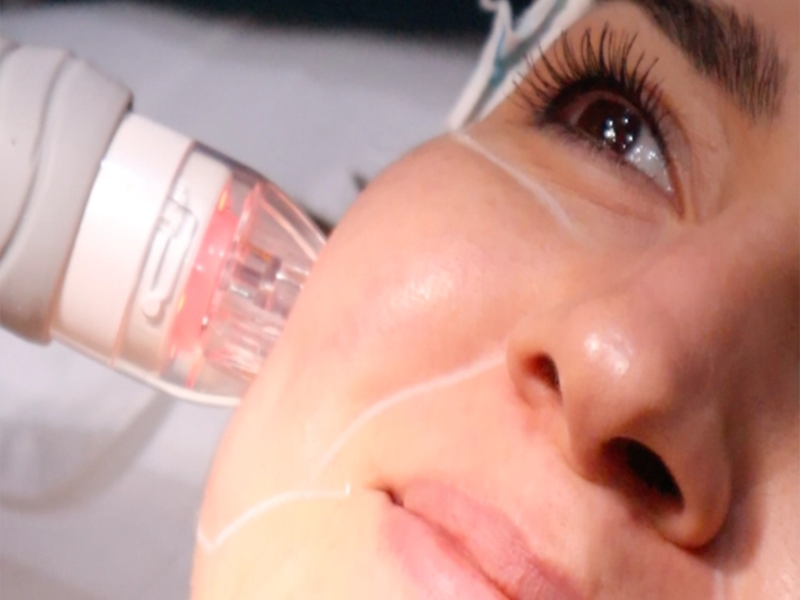

Spot treatment covers a series of procedures applied for the purpose of eliminating pigment disorders and color changes that occur on the skin. It is generally used in the treatment of dark spots that occur as a result of the harmful effects of the sun, aging, hormonal changes, or acne scars. Various methods include chemical peeling, laser treatment, and microdermabrasion. Each method aims to eliminate color inequality by affecting different layers of the skin.
The success of spot treatment depends on the applied method being suitable for the skin type and the type of the spot. Professional advice received from a dermatologist before treatment helps choose the most appropriate method. In this process, a personalized treatment plan is prepared by taking into account the depth of the spot and the skin structure. The treatment duration and number of sessions may also vary according to these factors.
In the post-treatment period, skin care is of vital importance to increase the success of the treatment and protect skin health. The treated skin may become sensitive and needs special care during the healing process. Correct applications during this period allow the skin to recover faster and in a healthy way.
The Importance of Skin Care After Spot Treatment
Skin care after spot treatment plays a critical role in making the effects of the treatment permanent and protecting the general health of the skin. The skin in the treated areas becomes more vulnerable to external factors and therefore requires special care. First of all, maintaining the moisture level of the skin after treatment is an important step. Moisturizers strengthen the barrier function of the skin and support the renewal process.
In this process, products specially formulated for sensitive skin should be preferred. Products that do not contain alcohol, perfume, and other irritating substances in their contents help protect the skin barrier. In addition, it may also be useful to protect the skin from environmental damage by using antioxidant-containing serums and creams.
For conditions such as redness or sensitivity that may occur on the skin after treatment, products with soothing and renewing properties should be preferred. These products help the skin heal faster and reduce the feeling of discomfort. Creating a regular and correct care routine guarantees the permanence of treatment results as well as protecting skin health in the long term.
Things to Consider After Spot Treatment
There are some critical points to consider after spot treatment. First of all, it is important to protect the treated area from excessive heat or cold. The skin may be more sensitive in such extreme conditions, and this may negatively affect the healing process. Therefore, extremely hot environments such as hot baths, saunas, or direct sunlight should be avoided.
Secondly, paying attention to the cleanliness and hygiene of the skin is one of the cornerstones of post-treatment care. Gently cleansing the skin reduces the risk of infection and accelerates the healing process. Rubbing the skin excessively or using harsh cleansers may increase the sensitivity of the skin and negatively affect the treatment results. Soft cleansers with moisturizing effects should be preferred during this period.
Finally, it is important to remember that the natural healing process of the skin should not be interfered with. If conditions such as crusting or peeling occur, it is important not to touch these areas and not to interfere. Respecting the natural processes of the skin will ensure that the treatment results are more effective.
Care After Spot Treatment According to Skin Type
Each skin type has different needs, and this also affects the care routine after spot treatment. For oily skin, light formulas that do not clog pores and balance excess oil should be preferred. Products containing salicylic acid can control oil production while also supporting skin renewal.
Dry skin, on the other hand, needs intense moisturizing. Using creams containing moisture-retaining ingredients such as hyaluronic acid and glycerin increases the moisture level of the skin and gives it a healthier appearance. During this period, oil-based products may also be preferred to moisturize the skin, but care should be taken that they are non-comedogenic.
For sensitive skin, it is important to use products with soothing and anti-inflammatory properties. Products containing aloe vera, calendula, or green tea extracts can reduce redness and sensitivity of the skin. For every skin type, regularly using sunscreen contributes to the protection of the skin and the permanence of treatment results.
The Role of Sunscreen Use
Sunscreen is an indispensable part of care after spot treatment. The harmful UV rays of the sun may cause color changes and the formation of new spots on the skin in the treated areas. Therefore, using sunscreen is critically important to protect treatment results and prevent new problems.
It is recommended to use a broad-spectrum sunscreen containing at least SPF 30 daily. Applying sunscreen at least 15-30 minutes before going outside and renewing it every two hours helps protect the skin. This is especially valid for long periods spent outdoors.
It should not be forgotten that sun protection is not limited only to using sunscreen. Wide-brimmed hats, sunglasses, and long-sleeved clothing are among other important precautions that help protect the skin from the sun. Trying to stay in the shade during the hours when the sun is most intense can be an effective strategy in protecting skin health.
Which Products Should Be Used After Spot Treatment?
The products to be used after spot treatment should have properties that will support the healing of the skin and make the effects of the treatment permanent. First of all, products with moisturizing and soothing properties form the basis of skin care. Moisturizers containing hyaluronic acid or glycerin provide the moisture that the skin needs.
Serums and creams containing antioxidants protect the skin from the harmful effects of free radicals and contribute to the healing process. Ingredients such as vitamin C, vitamin E, or green tea extract can help the skin look brighter and healthier. Regular use of these products ensures that the treatment results are preserved for a longer time.
Finally, one of the products that may be effective in skin care after spot treatment is formulas containing retinol. Retinol contributes to the skin having a smoother and more even tone by accelerating the renewal process of skin cells. However, it is important to get dermatologist advice before using retinol because it may cause sensitivity in some skin types.
The Importance of Doctor Check-Ups
Regular doctor check-ups after spot treatment are very important in terms of evaluating the effectiveness of the treatment and monitoring the healing process of the skin. Dermatologists can evaluate the changes that occur on the skin after treatment with a professional eye and recommend additional treatment methods when they deem necessary. These check-ups play a key role in ensuring the permanence of treatment results.
During doctor check-ups, it can also be evaluated whether there is any complication or unexpected reaction in the treated areas. Such conditions can be controlled with early intervention and help protect skin health. Your doctor can optimize your healing process by offering personalized care recommendations according to your skin type and your response to the treatment.
As a result, the things to be considered after spot treatment and the care methods to be applied directly affect the success of the treatment. In order to protect your skin health and make the treatment results permanent, it is important to follow your doctor’s recommendations and not neglect regular check-ups.
 Call
Call
 Whatsapp