


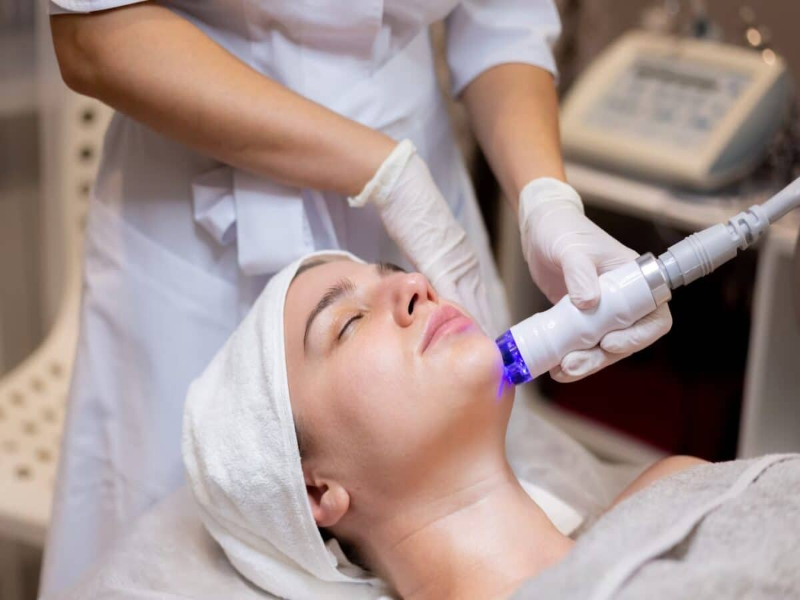

Thulium laser pigmentation treatment in Ankara is one of the laser methods used to reduce the appearance of skin pigmentation and support a more balanced-looking skin tone. It may be considered according to individual skin structure for concerns such as pigment differences, signs of ageing and sunspots.
Laser energy creates a controlled effect in the skin and aims to support the renewal process. Depending on the device and treatment settings, Thulium laser pigmentation treatment may affect the skin surface and specific skin layers. It may therefore help reduce visible pigment differences and support a more refreshed skin appearance.
Thulium laser may be considered for different skin types, but it may not be equally suitable for every skin tone or pigmentation concern. Individual skin structure, the type of pigmentation and medical history should be assessed before treatment. An appropriate plan may then be prepared.
Pigmentation Treatments: Different Methods and Their Effects
Skin pigmentation may be aesthetically concerning for many people. Pigmentation treatments offer different methods intended to reduce its appearance. Common options include chemical peeling, microdermabrasion and laser procedures.
Chemical peeling creates controlled exfoliation of the upper skin layer and aims to reduce visible pigmentation. It may help the skin appear more renewed but should be performed carefully because of possible sensitivity and irritation. Microdermabrasion gently abrades the skin surface, removes dead cells and may support a more balanced-looking complexion.
Thulium laser pigmentation treatment creates a controlled laser effect in the skin and aims to reduce visible pigment differences. It cannot be assumed to work more deeply or effectively than other methods in every situation. Since each method has advantages, limitations and possible side effects, treatment should be selected following professional assessment.
How Does Thulium Laser Pigmentation Treatment Work?
Thulium laser pigmentation treatment aims to support skin renewal by creating a controlled thermal effect in specific skin layers. This process may help reduce the appearance of pigment differences. The depth of effect varies according to the device, energy settings and individual skin structure.
During treatment, the device is applied carefully to the targeted area. The controlled effect may support the skin’s natural renewal processes and collagen production. This may help the skin texture appear more balanced and renewed. Thulium laser may be considered for different areas such as the face, neck and hands according to individual needs.
Redness, sensitivity, mild swelling or crusting may occur after treatment. Their duration and intensity vary from person to person. Protecting the skin from sunlight may help reduce the risk of new pigmentation and existing spots becoming darker.
Points to Consider During Ankara Lazer Procedures
Ankara Lazer procedures should be performed in a suitable environment by qualified practitioners. When selecting a centre, information may be obtained about the device, its maintenance and the practitioner’s training. Hygiene and safety standards are important.
A comprehensive assessment should be performed before treatment. Skin type, the characteristics of the pigmentation, medical history, current medication and expectations may be considered when creating a plan. The person should also be informed about the limitations and possible side effects.
Following aftercare recommendations may support recovery. Moisturising the skin, using suitable sunscreen and avoiding irritating products may help preserve the achieved appearance. Following the practitioner’s advice also allows unwanted reactions to be assessed early.
Thulium Laser Pigmentation Treatment Process for Long-Lasting Results
A long-term reduction in the appearance of pigmentation may be targeted with Thulium laser pigmentation treatment, but completely permanent results cannot be guaranteed. The first step is a detailed assessment of the skin and pigmentation. This helps determine whether treatment is suitable and which areas require treatment.
Laser energy is applied to create a controlled effect in the targeted areas. Procedure duration varies according to the size of the treatment area and the intensity used. Temporary redness or sensitivity may occur afterwards, and its duration differs according to individual characteristics.
A plan involving one or more sessions may be recommended. The number of sessions is individually prepared according to the needs of the skin, pigmentation characteristics and response to treatment. Sun protection and appropriate skincare may help preserve the achieved appearance for longer. However, pigmentation may become noticeable again because of sun exposure, hormonal changes and individual susceptibility.
Care Before and After Pigmentation Treatments
Suitable care before and after pigmentation treatments may help prepare the skin and support recovery. The skin may need to be clean and free of make-up before treatment. Strong skincare products that may cause irritation can be limited for the period specified by the practitioner.
The skin may become more sensitive after treatment. Sun protection is therefore important. Sunscreen may help reduce the risk of new pigmentation and existing spots becoming darker. Lightweight and soothing moisturisers suitable for the skin type may also be considered.
Activities such as very hot showers, swimming, sauna and intense exercise may need to be avoided for the period recommended by the practitioner while sensitivity continues. Suitable products and avoiding irritation may help support recovery.
Who May Be a Suitable Candidate for Thulium Laser Pigmentation Treatment?
Thulium laser pigmentation treatment may be considered for people with certain pigment concerns. Its suitability may be assessed for sunspots, certain age-related spots and melasma. However, skin type and the characteristics of the pigmentation should be professionally evaluated before treatment.
Treatment may need to be postponed when there are open wounds, active infections or significant irritation. When active acne is present, its type and severity should be assessed before making a decision. The suitability of elective laser procedures during pregnancy and breastfeeding should also be evaluated separately.
Thulium laser pigmentation treatment should not automatically be considered suitable for every age and skin type. Skin tone, the depth and extent of pigmentation, current medication and medical history should be considered when preparing an individual plan. Professional assessment may provide information about suitability and possible risks.
 Call
Call
 Whatsapp