


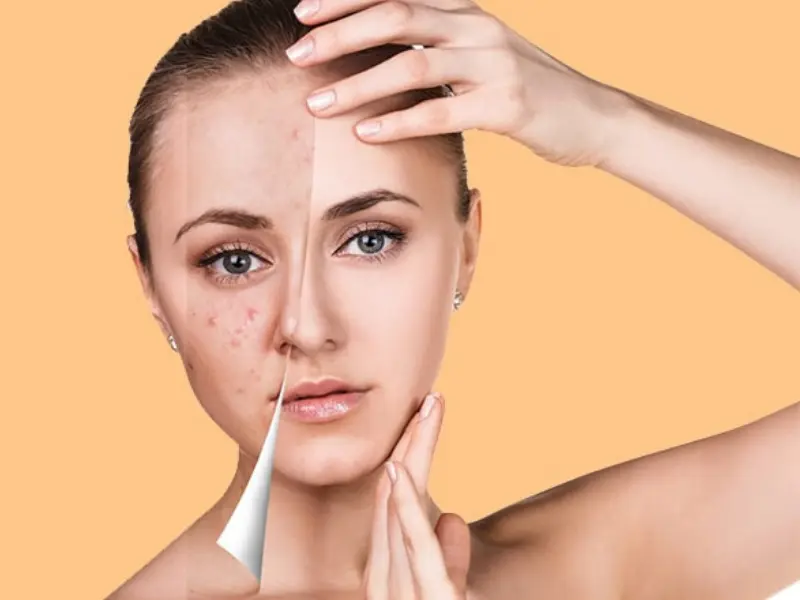

Skin pigmentation is a common concern that affects the appearance of the skin for many people. It may develop because of sunlight, ageing or hormonal changes. Peeling pigmentation treatment is one of the methods that may be considered to reduce the appearance of spots and support a more balanced-looking skin tone. This article discusses its possible benefits, the skin types for which it may be considered and the points that may help preserve the achieved appearance.
Benefits of Peeling Pigmentation Treatment
Peeling pigmentation treatment creates controlled exfoliation in the upper skin layer and aims to reduce the appearance of spots and colour irregularities. Removing dead cells from the skin surface may support its natural renewal process. This may help the skin tone appear more balanced and the surface smoother.
Peeling may create changes in the appearance of certain fine lines and irregularities in skin texture as well as pigmentation. This may contribute to a more refreshed and renewed-looking complexion. Applying certain skincare products may become easier after peeling, but improved absorption or maximum effectiveness cannot be guaranteed.
Peeling pigmentation treatment may support satisfaction with skin appearance for some people. A reduction in visible pigmentation may help a person feel more comfortable, although psychological effects vary between individuals. The type and intensity of peeling should be selected according to the skin type to support a suitable response.
Skin Types Suitable for Peeling Pigmentation Treatment
Every skin type responds differently to peeling. The suitability of peeling pigmentation treatment is not determined only by whether the skin is oily, dry or combination. Skin tone, sensitivity, the type of pigmentation and the ingredients used should be considered together. The intensity of treatment for oily and combination skin should also be planned individually.
Lower-intensity peeling or products with different ingredients may be considered for dry and sensitive skin. An unsuitable product or concentration may cause irritation, dryness or changes in skin colour. People with dry or sensitive skin should therefore seek assessment from a dermatologist or qualified healthcare professional before treatment.
Peeling may also be considered for mature skin according to individual needs. The skin-renewal process may change with age, and peeling may support a more renewed appearance. However, sensitivity may increase in mature skin, so the ingredients, depth and treatment frequency should be selected carefully.
Stages of Peeling Pigmentation Treatment
Peeling pigmentation treatment generally consists of several stages and is recommended to be performed in a professional environment. The first stage involves cleansing and preparing the skin. Make-up, impurities and oil are removed to prepare the surface for controlled application of the peeling solution.
The second stage is the application of the peeling solution. It may contain chemical ingredients that create controlled exfoliation. Burning, stinging or warmth may occur during treatment, and the intensity varies according to the product and individual sensitivity. The time the solution remains on the skin should be determined according to the peeling type and skin structure.
In the final stage, the peeling may be neutralised when required, and the skin is cleansed before suitable skincare products are applied. Moisturising or soothing products may help support the skin barrier and recovery. Sun protection is important because the skin may become more sensitive afterwards.
Points to Consider for Long-Lasting Results
Completely permanent results cannot be guaranteed with peeling pigmentation treatment. Existing pigmentation may become noticeable again or new spots may develop because of sun exposure, hormonal changes and individual susceptibility. Using moisturiser suitable for the skin type and following regular sun protection may help preserve the achieved appearance.
Harsh products that may irritate the skin should be avoided during and after treatment. Toners with high alcohol content, abrasive cleansers or strongly active ingredients may increase sensitivity. The period for which these products should be restricted depends on treatment intensity and professional recommendations.
Peeling may need to be planned as a series of sessions. However, treatment frequency should be adjusted according to skin type, the characteristics of the pigmentation, peeling depth and the skin’s response. An individual plan prepared by a dermatologist or qualified healthcare professional may help the process progress more carefully and support a reduction in visible pigmentation.
Frequently Asked Questions About Pigmentation Treatments
Frequently asked questions about peeling and other pigmentation treatments may help people better understand the process. Common questions and answers include:
-
How long does peeling last after treatment?
-
The time at which visible peeling begins and its duration vary according to the type and depth of treatment. It may begin within several days and decrease within approximately one week after certain superficial peels, while some procedures may not cause visible peeling.
-
-
Is a peeling procedure painful?
-
Burning, stinging or warmth may occur during treatment. The level of discomfort depends on the product, treatment intensity and individual sensitivity. The practitioner should be informed if severe or increasingly intense pain develops.
-
-
How frequently should peeling be performed?
-
Treatment frequency depends on skin type, the peeling method and the treatment objective. Session intervals should be determined through professional assessment, allowing sufficient time for the skin to recover.
-
-
Can make-up be applied after peeling?
-
The appropriate time to resume wearing make-up varies according to peeling depth and the condition of the skin. Make-up may need to be avoided while marked redness, sensitivity or peeling continues. The practitioner’s recommended period should be followed.
-
 Call
Call
 Whatsapp