


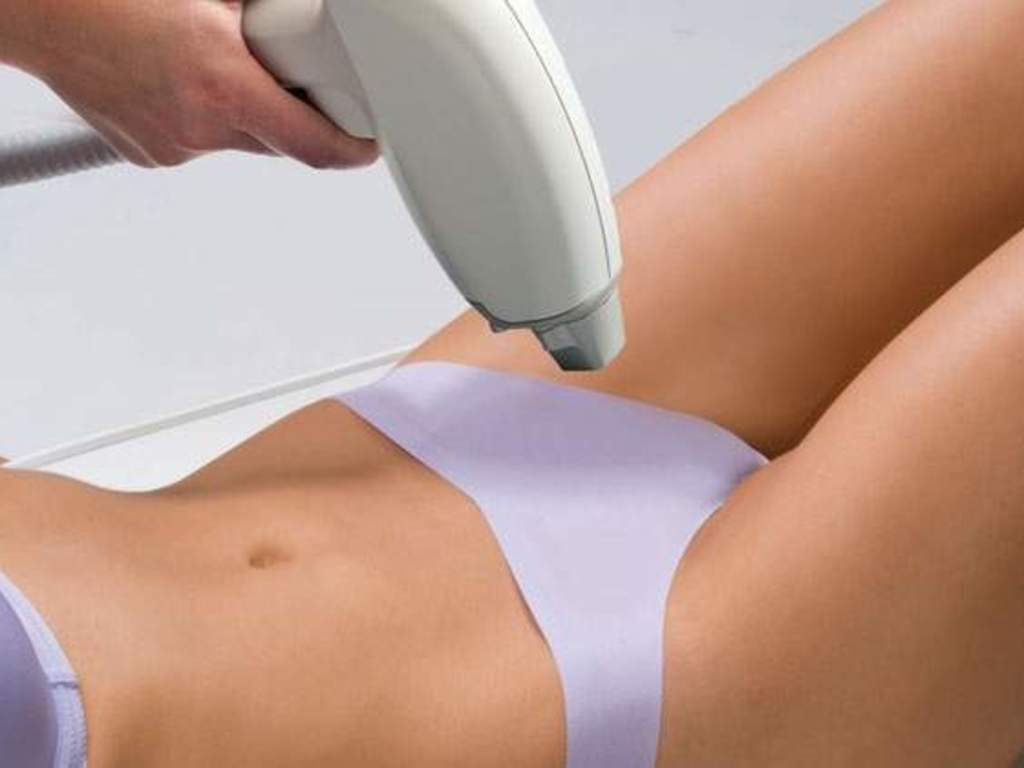

Laser epilation is a method used to reduce or remove unwanted hair in the long term. This procedure works by directing laser beams into the hair follicles and targeting hair growth. One of the biggest advantages of laser epilation is its ability to adapt to different skin and hair types. However, results may vary from person to person and do not guarantee the best outcome for every individual.
Laser epilation applications are quite common, especially in large cities such as Ankara. Many clinics, such as Ankara Life Polyclinic, offer this service using various methods. These include different laser types such as Alexandrite, Diode, and Nd:YAG. The effectiveness and suitability of each depend on the skin type and hair structure.
Laser epilation usually requires multiple sessions, and there are certain points to consider throughout this process. Taking precautions such as proper skincare and sun protection between sessions ensures that the results are both effective and safe. Specialist consultations are important to determine the most suitable treatment method for each individual.
Things to Do After Laser Epilation
There are many points to consider after laser epilation. First of all, it is important to remember that the skin may become sensitive after the procedure. Reactions such as redness or a mild burning sensation on the skin are considered normal and usually disappear within a few hours.
After epilation, you should treat your skin gently. It is recommended that the treated area should not come into contact with hot water for at least 24 hours. In addition, keeping the area moisturized and using moisturizing creams can accelerate the healing process. Protecting the skin from sunlight is also very important. After laser epilation, it is recommended to use high-SPF sunscreen for at least two weeks when going out in the sun.
Among the things to do after laser epilation is avoiding harsh chemicals and peeling products that may irritate the treated area. Additionally, methods such as waxing or tweezing that remove hair from the root should be avoided during the epilation process. This may reduce the effectiveness of the treatment and make it harder to achieve the expected results.
Things to Consider When Performing Laser on the Face
The facial area requires special attention in laser epilation applications. Since the skin on the face is generally more sensitive, extra care should be taken during and after the procedure. In this process, the type of laser used and the device settings should be carefully selected by specialists.
Among the things to consider when performing laser on the face is protecting the eyes. Since laser beams can be harmful to the eyes, protective goggles must be used during the procedure. Mild redness or swelling that may occur after the procedure is normal and usually subsides in a short time. However, if these symptoms persist for a long time, it is advisable to consult a specialist.
After laser epilation on the face, moisturizing the skin and protecting it from the sun become even more important. Especially on the face, sensitivity to the sun may increase, so using high-SPF sunscreen and avoiding direct sun exposure is necessary. These precautions both protect skin health and contribute to more successful results.
Advantages of Laser Epilation
Laser epilation has many advantages, which increase its popularity. First of all, it can provide long-term results. It may help permanently reduce hair and require less frequent maintenance over time. This is a great advantage, especially for individuals with busy lifestyles.
Another advantage is that laser epilation has a wide application area. It can be applied to almost every part of the body and adapted to different skin types. This offers personalized treatment options, allowing each individual to find a solution suitable for their needs. Additionally, the speed of laser epilation is another reason for its preference. Effective results can be achieved over large areas in a short time.
Another advantage of laser epilation is that it causes less irritation on the skin. Compared to other hair removal methods, laser epilation leaves fewer side effects on the skin. This makes it possible to get rid of unwanted hair without harming skin health. However, like any treatment method, laser epilation should be performed by specialists.
Laser Epilation Applications and Methods
Laser epilation applications are carried out using different methods and technologies. The most common ones include Alexandrite, Diode, and Nd:YAG lasers. Each offers different advantages depending on specific skin and hair types, and these factors should be considered when making a choice.
Alexandrite Laser: Generally more effective for light skin tones, provides fast results and is effective on large areas. However, its use may be limited for darker skin tones.
Diode Laser: Can adapt to different skin types and can be used on both light and dark skin. Provides effective results and can reach deeper hair follicles.
Nd:YAG Laser: More suitable for darker skin tones and effective on deep and thick hair. Thanks to its long wavelength, it can reach deeper layers of the skin.
Laser epilation applications are offered in many clinics in large cities such as Ankara. Clinics like Ankara Life Polyclinic provide different laser types and treatment plans according to individual needs. A detailed consultation before the application helps determine the most suitable method and device.
Skin Care After Laser Epilation
Skin care after laser epilation is very important. Considering that the skin may become sensitive after the procedure, proper care helps the skin recover quickly and healthily. First of all, using natural and gentle moisturizers to hydrate and soothe the skin can be beneficial.
Sun protection is one of the most critical aspects of post-laser skincare. After the procedure, the skin may become more sensitive to sunlight. Therefore, it is necessary to use high-SPF sunscreen when going outside for at least two weeks. Avoiding sun exposure both protects skin health and contributes to more effective results.
In addition to skincare routines, hot water, steam, and saunas should be avoided for the first few days after the procedure. Also, avoiding chemical products that may irritate the skin supports the healing process. Paying attention to these recommendations helps ensure that the laser epilation procedure is completed safely and successfully.
 Call
Call
 Whatsapp