


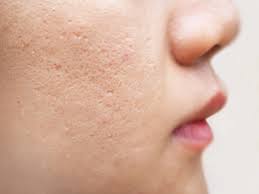

Why Do Acne Occur?
Acne occurs when the oil glands in the skin become overactive and these glands become blocked. However, the proliferation of bacteria in these clogged pores leads to inflammation, which causes acne. Stress, hormonal changes, wrong skin care products and genetic factors can also trigger acne formation. In order to reduce acne, it is important to first understand these basic causes and choose the right treatment methods.
Pay Attention to Skin Cleansing
The first and most important step in reducing acne is skin cleansing. The skin gets dirty with dirt, oil and pollutants throughout the day. This can cause pores to become clogged and increase acne formation. Wash your skin regularly in the morning and evening with a cleanser suitable for your skin type. However, avoid over-cleansing, as over-cleansing can dry out the skin and weaken the immune system.
Use the Right Products
The selection of skin care products to be used in acne treatment is very important. Oil-free (non-comedogenic) products should be preferred. Active ingredients in anti-acne products may include salicylic acid, benzoyl peroxide, retinoid, and alpha hydroxy acid (AHA). These ingredients cleanse the pores in the skin, reduce inflammation, and prevent the formation of new acne. However, you should remember that the products used should not be too harsh.
Healthy Diet
The effect of food on acne is undeniable. Fatty foods, excessive sugar consumption, and processed foods can increase inflammation in the skin and cause acne to multiply. It is important to follow a balanced and healthy diet to reduce acne. Foods rich in antioxidants, fruits, vegetables, and omega-3 fatty acids can help keep the skin healthy. In addition, drinking plenty of water maintains the skin's moisture balance and supports the skin's renewal.
Moisturize Your Skin
It is important to avoid products that can dry out the skin while fighting acne. Maintaining the moisture balance in the skin is a critical step in achieving success in acne treatment. Using a moisturizer helps strengthen the skin barrier and can prevent excessive sebum production. Oil-free and light moisturizers should be preferred.
Avoid Squeezing Acne
Squeezing acne can cause microbes to go deeper and spread inflammation. In addition, squeezing acne can lead to permanent scars on the skin. Therefore, it is important to be patient and wait for the treatment process in the fight against acne. Starting acne treatment and using the right treatment method will accelerate the healing process in the skin.
Regular Skin Care and Peeling
The accumulation of dead cells on the skin can cause pores to become clogged. Therefore, regular peeling helps the skin to renew. Chemical or physical peelings done 1-2 times a week clean the dirt and dead cells on the skin, thus helping to open the pores and reduce acne. However, do not forget that the sensitivity of the skin increases after peeling and do not forget to use sunscreen.
Stress Management and Sleep Pattern
Stress is one of the important factors that increases acne. The body produces more oil under stress, which can lead to blockages in the skin. Therefore, managing stress directly affects skin health. In addition, regular sleep helps the skin renew itself. Getting a good night's sleep maintains hormonal balance and speeds up the skin's natural healing process.
Get Dermatological Help
If your acne is severe and the methods you apply at home are not enough, getting help from a professional dermatologist would be the right step. A dermatologist will analyze your skin type and determine the appropriate treatment method for you. Professional guidance during the treatment process can help acne reduce more quickly.
In Conclusion, Patience and Regular Care
It may take time for acne to reduce, but recovery is possible with the right skin care and lifestyle changes. Being patient, regularly cleaning your skin and using the right products will help acne reduce. Remember, every skin is different and the treatment process may vary from person to person.
 Call
Call
 Whatsapp