


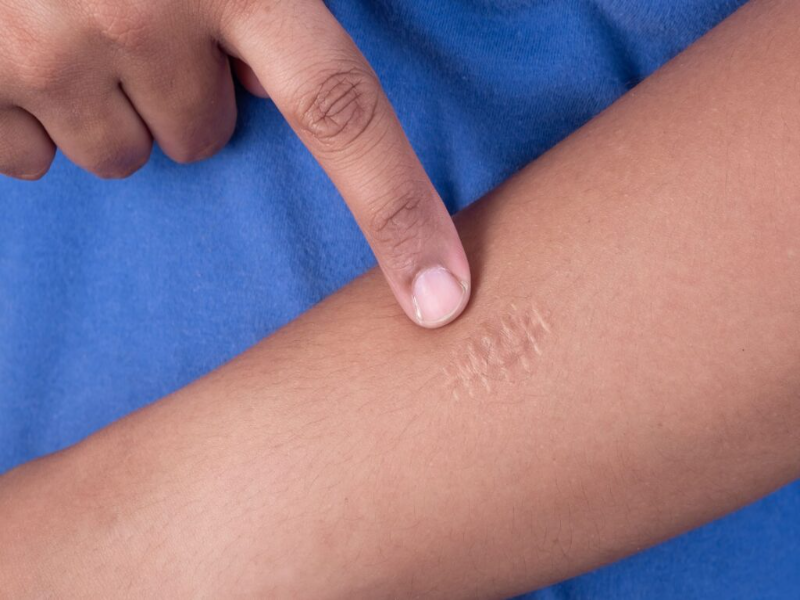

A cut scar is a mark that may remain during the healing process after an injury to the skin. Scar tissue develops as the body repairs damaged tissue, and its appearance depends on the depth and characteristics of the original wound. Scar and wound scar are related terms, while stretch marks are a different type of skin change and should not be considered the same condition.
Cut scars develop as part of the body's natural wound-healing process. Some scars become relatively inconspicuous over time, while others may remain wide, raised, depressed, discolored, or otherwise noticeable. Their type, size, color, and texture depend on factors such as wound depth, location, skin characteristics, tension, infection, and individual healing response.
Cut scars can be important for cosmetic or personal reasons, particularly when they are located on visible areas such as the face or hands. However, their psychological impact varies between individuals. Treatment may therefore be considered when the scar causes cosmetic, symptomatic, or functional concerns.
Importance of Cut Scar Treatment
The main purpose of Cut Scar Treatment is generally to improve selected characteristics of a scar rather than guarantee restoration of normal skin. Some people may feel more comfortable with their appearance after treatment, but improvement in confidence or psychological well-being cannot be guaranteed.
Treatment may help reduce the visible appearance, thickness, redness, or texture of selected scars. The expected benefit depends on whether the scar is flat, raised, depressed, widened, pigmented, or symptomatic. Treatment does not necessarily make every scar heal faster, particularly when the wound has already matured into a stable scar.
Scar treatment should also be distinguished from acute wound care. An established, healed scar does not automatically increase infection risk. Infection prevention is particularly important while the original wound is still open or healing.
What Should Be Considered Before Cut Scar Treatment?
Before treatment, professional evaluation by a dermatologist, plastic surgeon, or another appropriately qualified clinician may be useful. Skin characteristics, scar type, scar maturity, symptoms, medical history, and treatment expectations can all influence the choice of method.
Patience is important because Cut Scar Treatment can require time. Some procedures produce gradual remodeling over weeks or months, while others may require several sessions. The treatment timeline should therefore be individualized.
Skin preparation also depends on the procedure. Gentle cleansing, appropriate moisturization, and avoiding excessive sun exposure may sometimes be recommended. However, more intensive skin care does not automatically produce better treatment results.
Cut Scar Treatment Methods
Different methods may be considered depending on scar type and individual characteristics:
- Laser Treatment: Selected Ankara Laser procedures may target redness, pigmentation, thickness, or texture. Different lasers work at different depths, so there is no single laser approach for all scars.
- Chemical Peeling: Chemical peels may improve selected superficial pigmentation or texture concerns but generally have a limited role in deeper structural scars.
- Microdermabrasion: This procedure mechanically exfoliates the outermost skin surface and may have a role in selected superficial irregularities rather than deep scars.
- Creams and Ointments: Certain products, particularly silicone-based preparations for appropriately healed scars, may be considered in selected cases. Cosmetic creams should not be expected to reliably rebuild deep scar tissue simply by increasing collagen.
Each method has different potential benefits and limitations. Professional assessment can help determine whether treatment is appropriate and which approach may be considered.
When May Cut Scar Treatment Be Considered?
Cut scar treatment is not always medically necessary. It may be considered in situations such as:
- Cosmetic Concerns: Treatment may be considered if a visible scar causes personal discomfort.
- Physical Symptoms: Raised or contracted scars may cause itching, tightness, tenderness, or restriction in selected cases.
- Wound-Related Problems: An open or incompletely healed wound with signs of infection requires medical wound management. A mature scar itself is not automatically an infection risk.
- Personal or Psychological Concerns: Professional support may be appropriate if a scar significantly affects well-being, while scar treatment itself cannot guarantee psychological improvement.
Professional assessment can help distinguish a cosmetic scar concern from an active wound or medical complication.
Care After Cut Scar Treatment
Aftercare depends on the procedure performed:
- Sun Protection: Recently treated skin may be more susceptible to ultraviolet-related pigmentation changes, so broad-spectrum sun protection may be recommended.
- Moisturizing: Suitable products may help support the skin barrier and reduce dryness or sensitivity.
- Cleansing: Gentle cleansing may be appropriate once permitted after the procedure. The timing depends on the treatment.
- Professional Follow-Up: Unexpected pain, discharge, blistering, increasing swelling, or worsening redness should be professionally assessed.
These measures may support normal recovery, but they cannot guarantee more permanent or successful results.
Frequently Asked Questions About Cut Scar Treatment
- How long does treatment take?
The treatment period depends on the scar and the method used. Some procedures require one treatment, while others may involve multiple sessions. - Is treatment painful?
Discomfort varies according to the technique, treatment depth, and individual sensitivity. Some procedures may require topical or local anesthesia. - Will the scar completely disappear after treatment?
Complete disappearance cannot generally be guaranteed. The goal is usually to make selected scar characteristics less noticeable. - What is the best time for treatment?
There is no universally best season. Autumn and winter may make ultraviolet avoidance easier after certain laser or resurfacing procedures, but treatment timing should primarily depend on scar maturity, procedure type, skin condition, and individual circumstances.
Professional evaluation can help determine whether treatment is appropriate and when it may be most suitable.
 Call
Call
 Whatsapp