


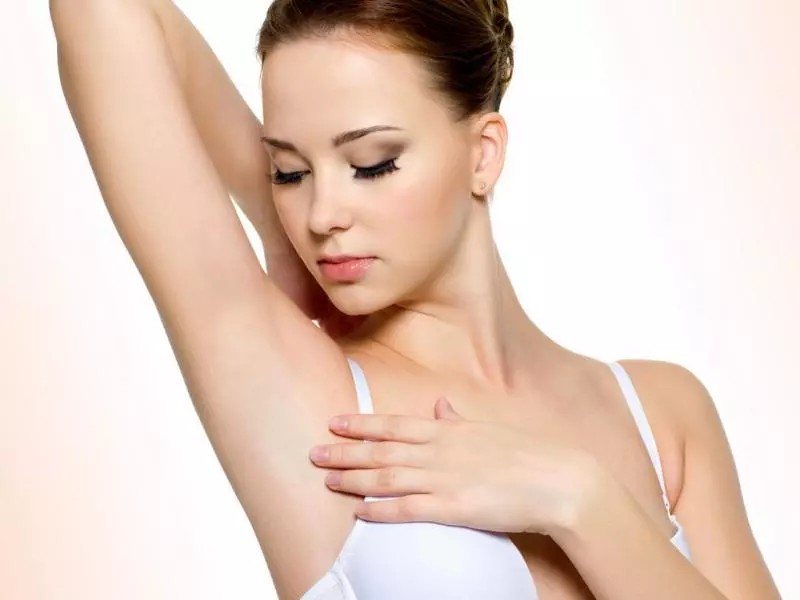

Underarm darkening is a common skin appearance experienced by many people. Sweating, friction, shaving and waxing, irritating cosmetic products, genetic characteristics, and hormonal changes may contribute to discolouration in this area. In some cases, noticeable underarm darkening may also be associated with an underlying dermatological or metabolic condition.
Procedures commonly referred to as underarm lightening aim to reduce the appearance of discolouration and uneven tone rather than alter the skin’s natural colour. Evaluating the cause of the darkening before treatment is important when selecting an appropriate method.
What Is Underarm Lightening?
Underarm lightening is a general term for cosmetic and dermatological procedures intended to make darkening in the underarm area less noticeable. The terms “skin tone evening” and “reducing the appearance of darkening” may also be used to describe these procedures.
Underarm darkening does not always result solely from dead cells accumulating on the skin surface. Friction, frequent shaving, irritating deodorants, previous inflammatory conditions, and the person’s skin structure may also contribute to changes in colour. Therefore, the current condition of the skin should be evaluated before a procedure is planned.
The treatment method may vary according to the person’s skin type, the cause of the darkening, sensitivity in the area, and previously performed procedures. Chemical peels, suitable topical products, and laser applications are among the options that may be considered.
The level of discomfort experienced during treatment depends on the method used and the person’s sensitivity to pain. Temporary redness, burning, dryness, or sensitivity may occur after treatment. Post-procedure care recommendations should therefore be followed.
What Causes Underarm Darkening?
Underarm darkening does not have a single cause. Common contributing factors include:
-
Friction caused by tight clothing or repetitive movement
-
Irritation resulting from shaving, waxing, or epilation
-
Products containing fragrance, alcohol, or other irritating ingredients
-
Folliculitis and ingrown hairs
-
Colour changes developing after previous irritation or inflammation
-
Genetic characteristics and natural skin tone
-
Hormonal changes
-
Certain medications and dermatological conditions
When velvety, thick, and noticeable darkening is present in areas such as the neck, groin, and underarms, a dermatological assessment may be required rather than proceeding directly with cosmetic treatments. This appearance may occur in conditions such as acanthosis nigricans, which can be associated with insulin resistance in some individuals. Procedures performed without assessing the underlying cause may not provide the expected result.
Possible Effects of Underarm Lightening
Skin tone evening treatments performed using an appropriate method in suitable individuals may help make differences in underarm colour less noticeable. The degree of change may vary according to the cause of the darkening, the person’s skin type, the method used, and the response to treatment.
Certain procedures may help reduce unevenness on the skin surface and contribute to a more cared-for appearance. However, these procedures are not intended to treat sweating, odour, ingrown hairs, or active inflammation. When such concerns are present, their causes should first be evaluated.
Changes in the appearance of the underarms may help some individuals feel more comfortable. However, psychological effects and personal satisfaction levels are not the same for everyone.
Underarm Lightening Methods
Different methods may be used to even out the skin tone in the underarm area. The suitability and application of each method should be determined individually.
Topical Products
Certain creams or serums recommended by a specialist may help reduce uneven skin tone. The content, concentration, and duration of use should be planned according to the person’s skin type.
Unsupervised use of products purchased online with unclear ingredients or powerful lightening substances may cause irritation, burning, allergic reactions, or increased darkening.
Chemical Peels
Chemical peeling is a controlled procedure involving the application of suitable acids to the skin at specific concentrations. Because underarm skin may be sensitive, the selected product and application duration should be determined carefully.
Redness, dryness, sensitivity, or peeling may occur after the procedure. Acids intended for professional use should not be applied at home without supervision.
Laser Applications
Laser applications may be considered for targeting areas with increased pigment density. The device, treatment settings, and intervals between sessions should be selected according to the person’s skin tone and sensitivity.
Not every laser device is suitable for every skin type. An unsuitable device or inappropriate energy settings may cause burns, irritation, lightening, or increased darkening of the skin.
At-Home Methods
Applying lemon juice or baking soda to the underarms is not recommended. These substances may damage the skin barrier and cause burning, dryness, irritation, or more noticeable darkening following inflammation.
Products described as natural are not necessarily safe for every skin type. Ingredients such as aloe vera and plant oils may also cause allergic reactions or sensitivity in some people. Products not recommended by a specialist should not be used before or after treatment.
Differences Between General Skin Lightening and Underarm Lightening
Skin lightening is a broad term used to describe procedures targeting uneven skin colour in different areas of the body. Underarm lightening focuses specifically on the appearance of darkening in the underarm area.
Underarm skin may become sensitive because of friction, sweating, hair removal, and cosmetic products. Therefore, not every product used on the face or another area of the body is suitable for the underarms.
Performing a procedure on a smaller area does not necessarily mean that results will be achieved more quickly. The cause and depth of the darkening, skin sensitivity, and the method used all affect the duration of treatment.
Laser Underarm Skin Tone Evening in Ankara
People considering laser underarm skin tone evening in Ankara are advised to undergo a skin assessment first. During this assessment, the cause of the darkening, skin structure, sensitivity, products being used, and previous procedures are reviewed.
Following an assessment at Ankara Life Polikinlik, an application plan suitable for the person’s skin structure and needs may be created. The method, number of sessions, and treatment intervals may vary from person to person.
During laser treatment, energy at selected wavelengths is delivered in a controlled manner to areas with increased pigment density. A feeling of warmth, stinging, or mild burning may be experienced during the procedure. Temporary redness and sensitivity may occur afterwards.
Results from laser treatment vary between individuals. Achieving a completely even skin tone in a single session or obtaining permanent results cannot be guaranteed. Darkening may become noticeable again when factors such as friction, shaving, irritating products, and hormonal changes continue.
Points to Consider Before Underarm Lightening
The main points to consider before the procedure include:
The Cause of the Darkening Should Be Evaluated
Not every form of underarm darkening is purely cosmetic. Dermatological assessment should be considered for colour changes that appear suddenly, become progressively more noticeable, or occur with thickening or itching.
There Should Be No Active Irritation
The procedure may be postponed if the area has an open wound, infection, marked redness, ingrown hairs, folliculitis, or an allergic reaction. The existing condition may need to be treated first.
Products Being Used Should Be Disclosed
The specialist performing the procedure should be informed about deodorants, lightening creams, products containing acids, depilatory products, and prescription medications. Certain products may need to be discontinued for a specific period before treatment.
Hair Removal Should Be Scheduled Appropriately
Waxing, epilators, shaving, and laser hair removal may temporarily increase skin sensitivity. The appropriate interval between hair removal and a skin tone evening procedure depends on the selected method.
A Patch Test May Be Performed
A patch test before using chemical peels or topical products may help assess certain reactions. However, a patch test cannot predict every possible side effect.
Expectations Should Be Realistic
The goal of treatment is not to completely alter the natural colour of the skin but to reduce the appearance of darkening and uneven tone. The required number of sessions and degree of change vary between individuals.
Post-Procedure Care
Post-procedure care instructions provided by the specialist should be followed to help manage skin sensitivity. The area should be kept clean and dry, and products that may irritate the skin should be avoided.
During the first few days, specialist recommendations regarding fragranced deodorants, alcohol-containing products, exfoliants, hot showers, saunas, steam rooms, and activities that cause intense friction should be followed.
Loose, breathable clothing may be preferred instead of tight garments. Creams, oils, or homemade mixtures not recommended by the specialist should not be applied.
The healthcare professional who performed the treatment should be contacted if severe burning, increasing pain, blisters, open wounds, discharge, noticeable swelling, or unexpected changes in skin colour occur.
Frequently Asked Questions About Underarm Lightening
Is the procedure painful?
The level of discomfort varies according to the method used and the person’s sensitivity. Warmth or stinging may be felt during laser treatment, while chemical peeling may cause burning or tingling.
How many sessions are required?
The number of sessions varies according to the cause of the darkening, skin type, and treatment method. It is not appropriate to provide an exact number without an initial assessment.
Are there side effects?
Redness, dryness, sensitivity, mild swelling, or temporary changes in colour may occur after treatment. Less commonly, burns, crusting, increased pigmentation, or uneven lightening may develop.
Are the results permanent?
Although the achieved appearance may be maintained for a period, permanence cannot be guaranteed. Friction, hormonal changes, irritating products, and hair removal methods may contribute to the recurrence of darkening.
Is it suitable for everyone?
No. The procedure may be postponed or a different method may be preferred for individuals with active infections, open wounds, certain skin conditions, the use of particular medications, or skin characteristics unsuitable for the selected treatment.
 Call
Call
 Whatsapp