


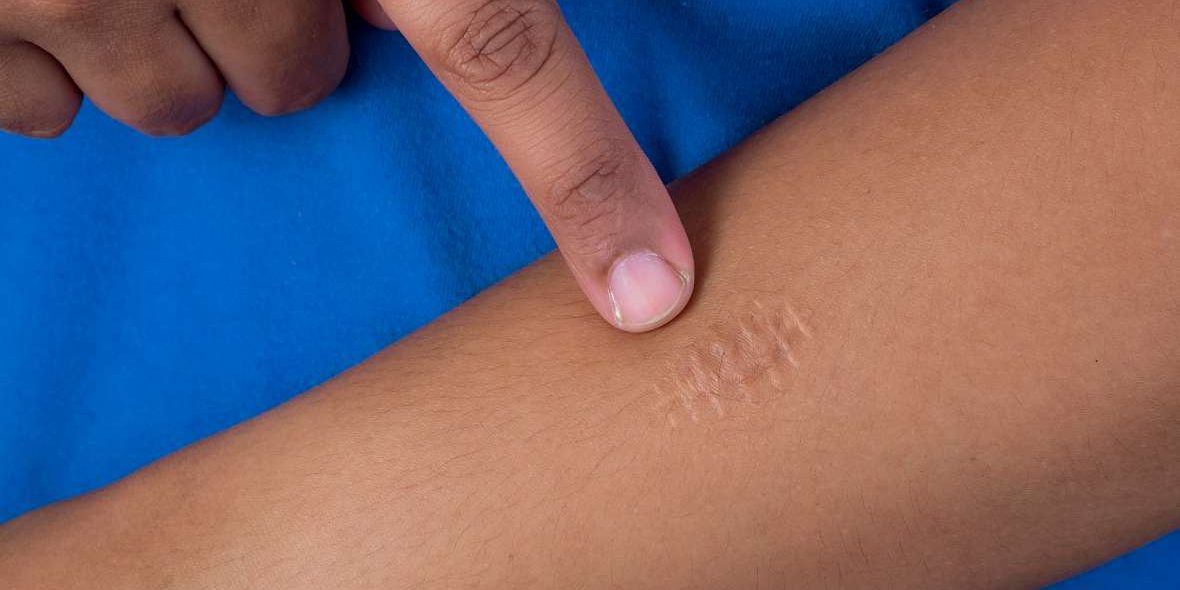

Scars may develop after surgery, accidents or other injuries and can cause aesthetic or physical concerns. Laser scar treatment has become one of the methods considered for reducing their visibility. This article explains the role of laser treatment in surgical scars, the general treatment process, its potential benefits and the expectations that should be established before treatment.
What Is Laser Scar Treatment?
Laser scar treatment includes procedures intended to reduce differences in the colour, texture or thickness of a scar. Different laser systems deliver controlled energy to selected layers or structures within the skin.
Some lasers target redness or pigmentation, while fractional laser systems create controlled treatment zones that may stimulate collagen remodelling. These processes can gradually make selected scars appear smoother or less noticeable.
The aim is generally to improve the scar rather than remove it completely. Laser treatment does not restore the skin to its original condition in every individual.
Some laser procedures are minimally invasive and may not require surgery. However, the level of discomfort and recovery period vary according to the technology, treatment depth and size of the treated area. Topical or local anaesthesia may be used when appropriate.
Laser systems may also be used for selected acne scars, pigmentation concerns and signs of skin ageing. Each indication requires a separate assessment, and the same device or treatment settings are not appropriate for every condition.
The Importance of Laser Treatment for Surgical Scars
Surgical scars may affect self-confidence, particularly when they are located on visible parts of the body. Certain scars can also cause itching, tenderness, tightness or restricted movement.
Laser treatment may help reduce redness, improve uneven pigmentation and support collagen remodelling in selected surgical scars. Some scars may become flatter, softer or more similar in colour to the surrounding skin.
The potential advantage of laser treatment is that it can target specific scar characteristics without removing the scar surgically. However, it is not always less painful, less risky or more effective than every surgical approach.
Surgical revision may be more appropriate for widened, contracted or poorly positioned scars. Laser treatment may also be combined with silicone products, injections, microneedling or surgery when necessary.
The response depends on the scar’s age, depth, colour, thickness and location, as well as the individual’s skin tone and healing characteristics. A dermatologist or plastic surgeon should therefore assess the scar before treatment.
Potential Advantages of Laser Scar Treatment
Different laser technologies can be selected according to the main feature of the scar.
Vascular laser systems may help reduce persistent redness in selected scars. Pigment-targeting lasers may be considered for certain colour differences, while fractional lasers may improve uneven texture through gradual collagen remodelling.
The treatment can be personalised by adjusting the device, wavelength, energy level, treatment depth and session interval.
Some individuals experience limited interruption to their daily routine after treatment. More intensive procedures, however, may cause visible redness, swelling, crusting or peeling and may require a longer recovery period.
Laser treatment may also improve selected surrounding texture or colour irregularities. It should not be expected to create completely scar-free, younger or universally healthier skin.
Treatment Process and Number of Sessions
The treatment process usually begins with a detailed examination of the scar and surrounding skin. The specialist evaluates:
-
The type and age of the scar
-
Its colour, thickness and depth
-
Whether it is raised, depressed, widened or contracted
-
Skin tone and sensitivity
-
Previous treatments
-
Current medication
-
Medical conditions affecting healing
-
A history of pigmentation or keloid formation
-
Recent sun exposure
-
Treatment expectations
A personalised plan is then prepared according to these findings.
There is no fixed number of sessions for every surgical scar. Some individuals may notice improvement after a limited number of treatments, while others may require a longer course or a combination of methods.
Statements such as three to six sessions cannot be guaranteed without examining the scar. The duration of each appointment also varies according to the size of the treatment area, the laser technology and whether anaesthesia or additional procedures are required.
The interval between sessions must allow sufficient time for healing and collagen remodelling. Depending on the procedure, this interval may be several weeks or longer.
The response should be evaluated after each session. The treatment plan may be adjusted when the skin develops prolonged irritation, pigmentation changes or limited improvement.
What Should You Expect for Surgical Scars?
Laser treatment may reduce the visibility of a surgical scar, but complete removal should not be expected.
Possible improvements may include:
-
Reduced redness
-
More even pigmentation
-
Softer scar tissue
-
Improved surface texture
-
Reduced thickness in selected raised scars
-
Greater flexibility in certain scars
The degree of improvement varies between individuals. Older, wider, deeper or contracted scars may respond differently from newer, flat scars.
The treatment result may also be limited by the location of the scar, genetic healing tendency and the amount of tension placed on the original wound.
During a consultation with Ankara Laser professionals, the expected level of improvement should be discussed according to the individual scar rather than based on standard promises.
Standardised photographs may be used to monitor gradual changes. Since collagen remodelling takes time, the final response may not be visible immediately after the last session.
In Which Situations May Laser Treatment Be Recommended?
Laser treatment may be considered when a surgical scar has persistent redness, pigmentation differences or uneven texture.
It may also be evaluated for selected:
-
Atrophic acne scars
-
Traumatic scars
-
Burn scars
-
Hypertrophic scars
-
Post-inflammatory colour changes
Different scars require different approaches. Raised scars may need injections or silicone treatment in addition to laser therapy. Deep, tethered scars may require subcision, while contracted scars may need surgical treatment.
Keloids should be evaluated carefully because laser treatment alone may not be sufficient and recurrence is possible.
Skin tone is another important factor. Individuals with darker skin tones may have a higher risk of temporary or persistent pigmentation changes after certain laser procedures. Device selection, treatment settings and aftercare should therefore be planned cautiously.
Points to Consider Before and After Treatment
Before Treatment
The skin should not have an active infection, open wound, significant irritation or sunburn.
The specialist should be informed about medications, allergies, previous laser procedures and medical conditions. Retinoids, exfoliating acids or products that increase skin sensitivity may need to be paused temporarily.
Recent tanning and intense sun exposure should be avoided according to the specialist’s instructions.
After Treatment
Temporary redness, warmth, swelling or sensitivity may occur. More intensive laser procedures may also cause crusting, peeling or temporary colour changes.
The treated area should be cleansed gently and moisturised with products recommended by the specialist. Scrubs, exfoliating acids, retinoids and irritating products may need to be avoided during recovery.
Direct sun exposure should be limited. Broad-spectrum sunscreen should be applied to exposed areas when the skin can tolerate it.
Blistering, increasing pain, discharge, severe swelling or prolonged redness should be reported promptly.
Frequently Asked Questions About Laser Scar Treatment
Does Laser Treatment Hurt?
The level of discomfort varies according to the laser type and treatment intensity. A stinging, warming or burning sensation may occur.
Topical or local anaesthesia may be used for selected treatments. The procedure cannot be assumed to be painless for every individual.
How Long Does Recovery Take?
Recovery may range from mild redness lasting a short period to several days or longer of peeling, swelling or crusting.
A fixed recovery period of a few days to one week does not apply to every laser procedure. Ablative and more intensive treatments may require longer healing.
Are the Results Permanent?
Structural improvement achieved through collagen remodelling may be long-lasting. However, permanent results cannot be guaranteed.
The scar may continue to change because of ageing, sun exposure, weight fluctuations, further injury or individual healing characteristics. Treatment also cannot prevent a new scar from developing after another injury or operation.
Can the Scar Be Completely Removed?
Laser treatment may make a scar less noticeable, but complete removal is generally not possible. The expected result should be described as improvement in colour, texture, thickness or flexibility.
For further information or treatment planning, an individual assessment can be arranged with Ankara Laser professionals. The proposed laser technology, alternatives, potential risks and realistic expected outcome should be explained before the procedure begins.
 Call
Call
 Whatsapp