


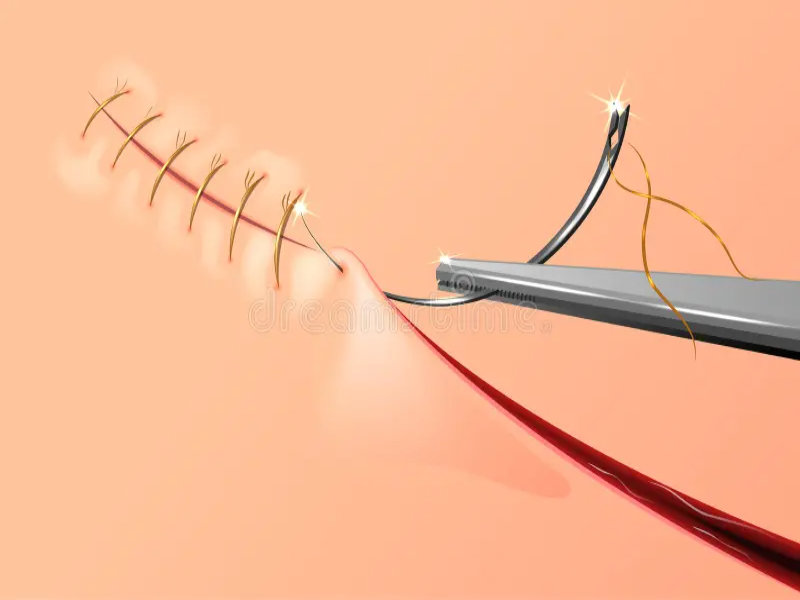

A surgical scar develops as part of the healing process after an incision made during surgery. Nearly every surgical procedure involving the skin can leave some degree of scar, but its visibility varies according to surgical technique, wound location, tension, complications, genetics, and individual healing characteristics.
Surgical scars consist of remodeled scar tissue and may remain visible after healing. Some individuals may feel concerned about their appearance. Scar and wound scar are closely related terms, while stretch marks are a different condition and should not be evaluated as surgical scars.
Different approaches are available to make surgical scars less noticeable. Appropriate wound care, realistic expectations, and treatment selected according to the scar can all contribute to management.
Why Is Surgical Scar Treatment Important?
Surgical scar treatment may be considered for cosmetic, symptomatic, or functional reasons. Visible scars may affect confidence for some individuals, although psychological effects differ considerably.
Some surgical scars can cause itching, tenderness, pain, tightness, or movement restriction. Appropriate treatment may help selected symptoms and may improve function in certain cases.
Modern treatments, including selected Ankara Laser procedures, can improve certain scar characteristics. However, no technology guarantees complete or major improvement in every scar.
Expectations During Surgical Scar Treatment
Realistic expectations are important before treatment. Complete disappearance of a surgical scar is uncommon; the main goal is usually to reduce visibility, thickness, redness, irregular texture, or symptoms.
Results depend on scar type, maturity, size, location, skin phototype, and individual healing response. Treatment should therefore be individualized rather than compared with another person's outcome.
Visible changes may take time. Following treatment recommendations and appropriate aftercare can support recovery, but they cannot guarantee treatment success or a specific degree of improvement.
Surgical Scar Treatment Methods
Different methods may be considered:
- Laser Treatment: Selected laser systems may improve redness, pigmentation, thickness, or texture. Ankara Laser procedures should be selected according to scar characteristics.
- Microdermabrasion and Chemical Peeling: These mainly affect superficial skin layers and may have limited benefit for deep surgical scars.
- Corticosteroid Injections: These may be considered particularly for selected hypertrophic or keloid scars and require medical supervision.
Other options may include silicone therapy, pressure treatment, microneedling, surgical revision, or combinations depending on the scar.
What Should Be Considered During Treatment?
Professional assessment is important before beginning treatment. Scar type, medical history, symptoms, and previous treatments should all be considered.
Skin care may also be adapted to the procedure. Moisturization and ultraviolet protection can support the recovering skin, but they do not directly accelerate every scar-remodeling process.
Smoking can negatively affect wound healing, particularly around surgery, while alcohol-related recommendations depend on the medical context and procedure. Any specific restrictions should follow professional advice rather than universal rules.
Frequently Asked Questions About Surgical Scar Treatment
1. How long does surgical scar treatment take?
Duration varies according to scar type and treatment. Some approaches require several sessions or months of observation.
2. Does a surgical scar disappear completely?
Complete disappearance is uncommon, but selected characteristics may become less noticeable.
3. Is treatment painful?
Discomfort varies according to the procedure. Some treatments cause mild discomfort, while others may require topical or local anesthesia.
Professional assessment can help establish realistic expectations and determine which treatment may be appropriate.
 Call
Call
 Whatsapp