


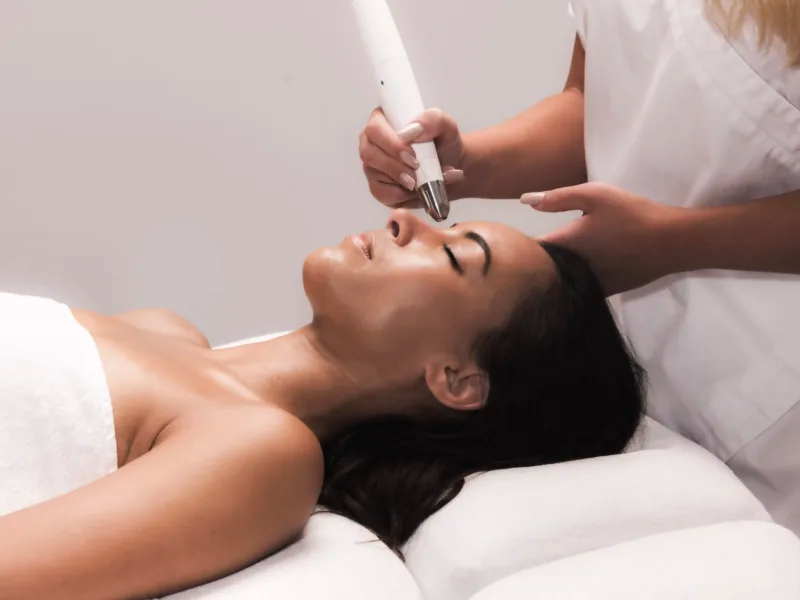

Skin pigmentation refers to changes in skin color that may occur when melanin accumulates unevenly in certain areas. These changes may be associated with sun exposure, hormonal factors, aging, or other skin-related causes. Pigmentation concerns can affect appearance and may be bothersome for some individuals.
There are several different types of skin pigmentation. Common examples include sun spots, age spots, and melasma. Sun-related pigmentation may develop after prolonged exposure to ultraviolet radiation, while age spots tend to become more noticeable over time. Melasma may be associated with hormonal changes, including pregnancy, and commonly appears on areas such as the forehead, cheeks, and upper lip.
Treatment may help improve the appearance of certain pigmentation concerns. However, identifying the type and possible cause of the pigmentation before beginning treatment is important. This can help determine an appropriate treatment approach and set realistic expectations.
Why Do Skin Spots Develop?
Several factors may contribute to the development of skin pigmentation.
One of the most common factors is sun exposure. Ultraviolet radiation can stimulate melanin production and contribute to areas of uneven pigmentation. For this reason, regular sun protection plays an important role in preventing or limiting sun-related pigmentation.
Hormonal changes may also contribute to pigmentation. Melasma, for example, may develop or become more noticeable during pregnancy or in association with hormonal medications such as birth control pills.
Genetic factors may also influence an individual's tendency to develop certain pigmentation concerns. In addition, cumulative sun exposure and age-related skin changes can make some spots more noticeable over time.
Skin Pigmentation Treatment Methods
The treatment method depends on the type, size, depth, and cause of the pigmentation.
One commonly used option is laser treatment. At centers providing Ankara Laser applications, selected laser systems may be used to target pigment in the skin and reduce the visible appearance of certain spots. Laser treatment may require more than one session depending on the pigmentation and individual skin response.
Chemical peeling is another option that may be considered for selected pigmentation concerns. This treatment involves controlled exfoliation of the outer layers of the skin and may be particularly suitable for certain superficial pigment changes. The type and strength of the peel should be selected according to the individual's skin characteristics.
Creams and serums may also be used as part of Skin Pigmentation Treatments. Depending on their active ingredients, these products may help reduce the appearance of pigmentation over time. Consistent use and professional guidance may be important, particularly when stronger active ingredients are involved.
What Should Be Considered Before Skin Pigmentation Treatment?
Before beginning skin pigmentation treatment, it is important to have the skin evaluated by a dermatologist or appropriately qualified professional.
Skin type, the nature of the pigmentation, its underlying cause, medical history, and current skin care products may all influence treatment planning.
Preparing the skin appropriately before treatment may also be important. Gentle cleansing and suitable moisturization can help support the skin barrier. Excessive sun exposure and tanning should generally be avoided before certain procedures because recently sun-exposed skin may be more sensitive and may increase the risk of unwanted reactions.
The safety and suitability of the products and procedures used should also be considered. An individualized approach can help determine which Skin Pigmentation Treatment may be more appropriate for the person's skin.
The Role of Nutrition in Skin Health
Nutrition can contribute to general skin health, although diet alone should not be considered a specific treatment for pigmentation.
A balanced diet containing fruits, vegetables, whole grains, healthy fats, and adequate nutrients can support normal skin function.
Foods containing vitamins C, E, and A contribute to various normal biological functions associated with skin health. However, it would not be accurate to expect these nutrients alone to remove existing pigmentation.
Omega-3 fatty acids are also part of a balanced diet and may contribute to general skin health. Their role should be considered supportive rather than a direct treatment for skin pigmentation.
Maintaining balanced nutrition alongside an appropriate skin care and treatment plan may help support overall skin health.
Skin Care Recommendations After Pigmentation Treatment
Appropriate skin care after pigmentation treatment is important for supporting recovery and maintaining the results of treatment.
Sun protection is one of the most important steps. Treated skin may be temporarily more sensitive to ultraviolet exposure, and excessive sun exposure may contribute to recurrent or new pigmentation.
A gentle moisturizer may help support the skin barrier during the recovery period.
Keeping the skin care routine simple may also be beneficial after some procedures. Gentle cleansers and soothing moisturizers may be preferred, while strong acids, exfoliants, retinoids, or other potentially irritating products may need to be temporarily avoided depending on professional recommendations.
Frequently Asked Questions About Skin Pigmentation Treatment
1. How long does skin pigmentation treatment take?
Treatment duration varies according to the type of pigmentation, skin characteristics, and method used.
Laser treatments may require several sessions, while topical creams and serums may need to be used consistently for a longer period before noticeable changes develop.
2. What should I pay attention to during treatment?
Sun protection, gentle skin care, and following professional recommendations are important throughout the treatment process.
Products that cause irritation should not be added or discontinued without considering the treatment plan.
3. Are skin pigmentation treatment results permanent?
Results may be long-lasting in some cases, but new pigmentation or recurrence can occur due to factors such as sun exposure, hormonal changes, skin characteristics, and the underlying cause of the pigmentation.
For this reason, ongoing sun protection and an appropriate skin care routine remain important after treatment.
Skin Pigmentation Treatments may help improve the appearance of selected pigmentation concerns when the treatment method is chosen according to the individual's skin type and the cause of the pigmentation. Professional evaluation can help determine an appropriate and realistic treatment plan.
 Call
Call
 Whatsapp