


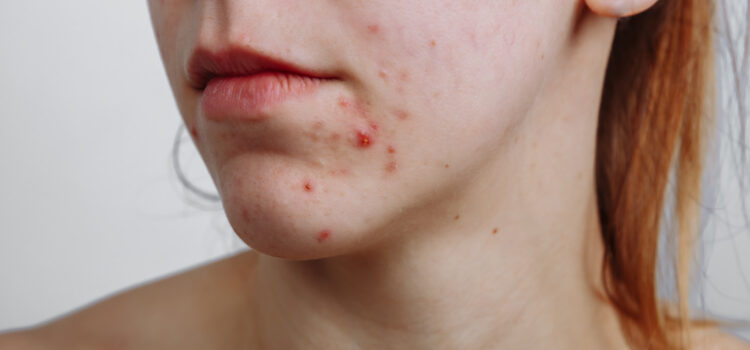

Why Do Acne Spots Form?
As acne heals, it can sometimes leave marks on the skin. These marks can usually be seen as brown or red spots. These spots left after acne are caused by the skin producing too much melanin during the inflammation process. These melanin deposits cause spots to form. Especially when inflamed pimples on the skin are squeezed or damaged, the stain's permanence may increase.
What Methods Are Used in the Treatment of Acne Spots?
The treatment of acne spots varies depending on the type and depth of the stain. While mild spots can be healed with some products used at home, professional treatment may be required for deep and permanent spots:
Chemical Peeling: It renews the upper layer of the skin, equalizes the color tone and lightens the spots.
Laser Treatments: Laser beams help reduce pigments by acting deeply.
Mesotherapy: Vitamin and acid mixtures applied under the skin in spot treatment can help lighten the color of the spot and renew the skin structure.
Medical Creams: In skin care, spot-lightening products, especially creams containing vitamin C, azelaic acid and niacinamide, can be treated.
Home Care
There are many products that can be used to treat acne spots at home. However, not every product is suitable for every skin type. Generally recommended ingredients:
Vitamin C serums: It is very effective in lightening spots and evens out skin tone.
Niacinamide: It both reduces the appearance of spots and soothes the skin.
Glycolic acid: It reduces the appearance of spots by performing a superficial peeling process.
The effects of these products are more noticeable with regular use, but patience and constant care are required.
Sun Protection is the Key to Spot Treatment
One of the most important steps in the treatment of acne spots is to protect from the sun. Sun rays can cause the spot to darken and the treatment process to take longer. Therefore, using sunscreen in skin care helps the treatment and prevents the formation of new spots. Sunscreen should be used every day, in every season.
 Call
Call
 Whatsapp