



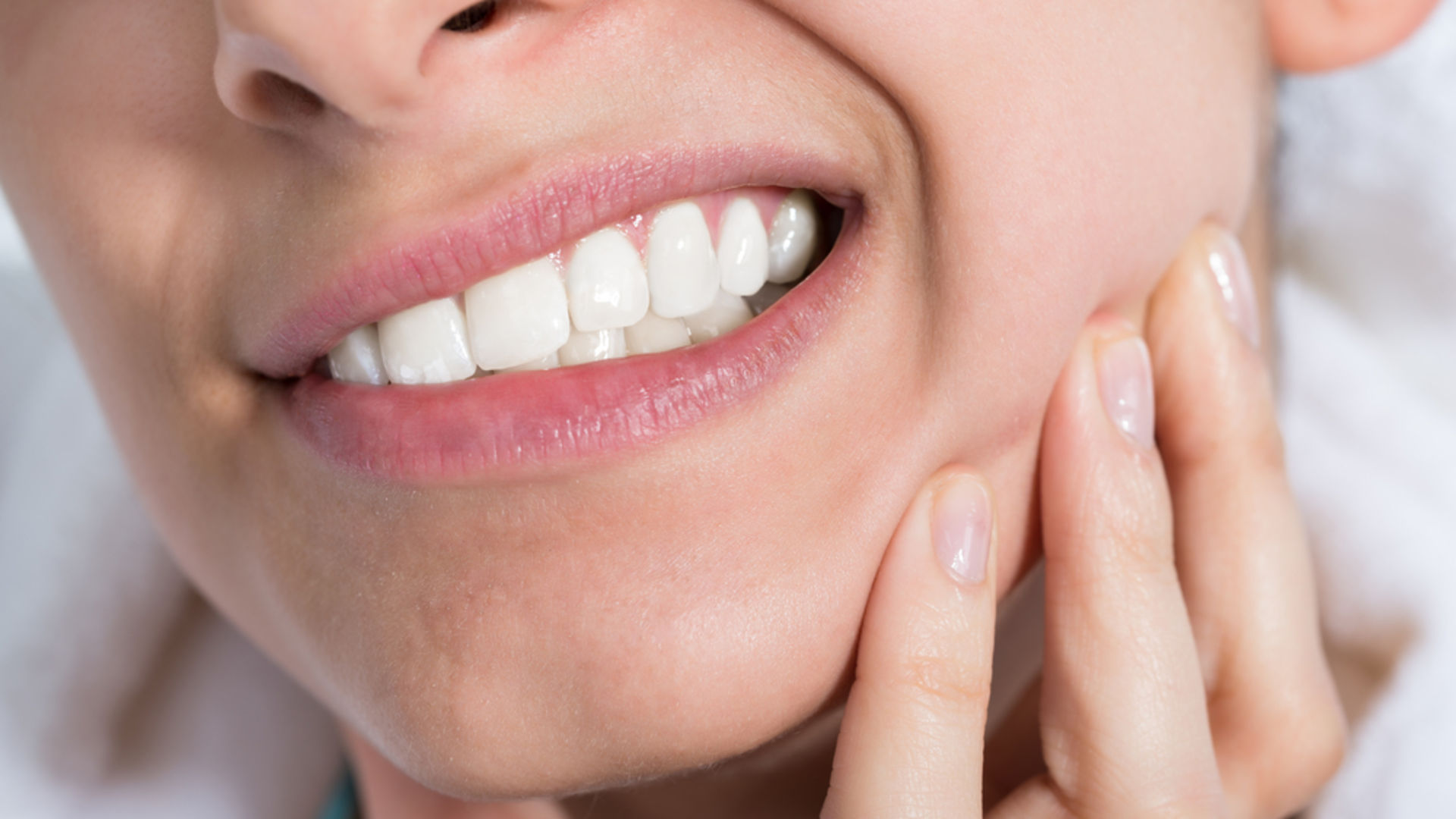
Teeth grinding is a condition medically called "bruxism". This is the clenching or grinding of the teeth while asleep or awake, often without awareness. Teeth clenching causes the chewing muscles to contract uncontrollably, which can lead to various health problems.
Teeth grinding is often caused by factors such as stress, anxiety, disturbed sleep patterns, or problems with the jaw joint. Prolonged clenching can cause tooth wear, jaw pain, headaches, and even hearing problems.
Causes of Teeth Grinding
The reasons behind teeth grinding are various and may differ from person to person. Some common causes are:
1. Stress and Anxiety: Intense stress and anxiety are the most common factors that trigger teeth grinding. People who have difficulty coping with stressful situations may express this stress by clenching their teeth.
2. Sleep Disorders: Sleep apnea, sleep apnea, or other problems with sleep quality can increase teeth grinding.
3. Jaw Joint Problems: Temporomandibular joint (TMJ) disorders can cause teeth clenching problems.
4. Habits: Some people grind their teeth during the day without realizing it. This often occurs during intense mental work or when doing tasks that require concentration.
5. Other Factors: Some medications, caffeine consumption, alcohol use and psychological problems can also cause teeth grinding.
Risks of Teeth Grinding
Teeth grinding can lead to various health problems in the long run. These include:
• Tooth Wear and Fracture: Constant friction of teeth can cause wear of the enamel layer and breakage of teeth.
• Jaw Pain and Headache: Tension in the chewing muscles can cause pain and headache in the jaw joint.
• Sleep Disorders: Teeth grinding can negatively affect sleep quality and cause insomnia.
• Ear Problems: Problems in the jaw joint can cause ear pain and hearing problems.
• Aesthetic Problems: Wear and deformations on the teeth can negatively affect the appearance.
What You Can Do to Prevent Teeth Grinding
You can try various methods to prevent teeth grinding. These include:
6. Stress Management: Participating in stress-reducing activities such as yoga, meditation, breathing exercises and relaxation techniques can prevent teeth grinding.
7. Sleep Hygiene: Establishing a regular sleep routine can reduce teeth grinding by improving sleep quality.
8. Jaw Exercises: Exercises that strengthen the jaw muscles and increase their flexibility can reduce teeth clenching problems.
9. Tooth Protective Appliances: Your dentist may recommend specially designed night appliances (splints) to prevent teeth clenching.
10. Lifestyle Changes: Reducing caffeine, alcohol and cigarette consumption can reduce the risk of teeth grinding.
Treatment of Teeth Grinding
People who experience teeth grinding problems should consult specialized health professionals such as a dentist and/or oral surgeon. Treatment methods include:
11. Tooth Protective Devices: Splints used at night reduce the friction of the teeth against each other and the tension of the jaw muscles.
12. Botulinum toxin Application: Botulinum toxin injections applied to the jaw muscles can prevent teeth clenching by allowing the muscles to relax.
13. Physical Therapy: Exercises that target the jaw joint and muscles can reduce pain and tension.
14. Psychotherapy: Psychological approaches such as cognitive behavioral therapy (CBT) can be used to reduce stress and anxiety.
15. Drug Treatment: In some cases, muscle relaxants or anti-depressant drugs can be used with a doctor's prescription.
Therapy Options to Prevent Teeth Grinding
Various therapy options are available to solve the problem of teeth grinding. These include:
16. Cognitive Behavioral Therapy (CBT): CBT is an effective approach to reducing stress and anxiety. The therapist helps the patient change negative thought and behavior patterns.
17. Relaxation Techniques: Yoga, meditation, breathing exercises and muscle relaxation techniques can be effective in reducing teeth grinding.
18. Hypnotherapy: Hypnosis can be used to discover subconscious causes and change the habit of teeth grinding.
19. Family Therapy: Family relationships and communication problems can trigger teeth grinding. Family therapy can help address these issues.
What to Do to Avoid Grinding Teeth?
Free Information,
Consultation and Appointment Request
 Call
Call
 Whatsapp