



What to Do When Hair Does Not Fall Out After Laser Epilation?
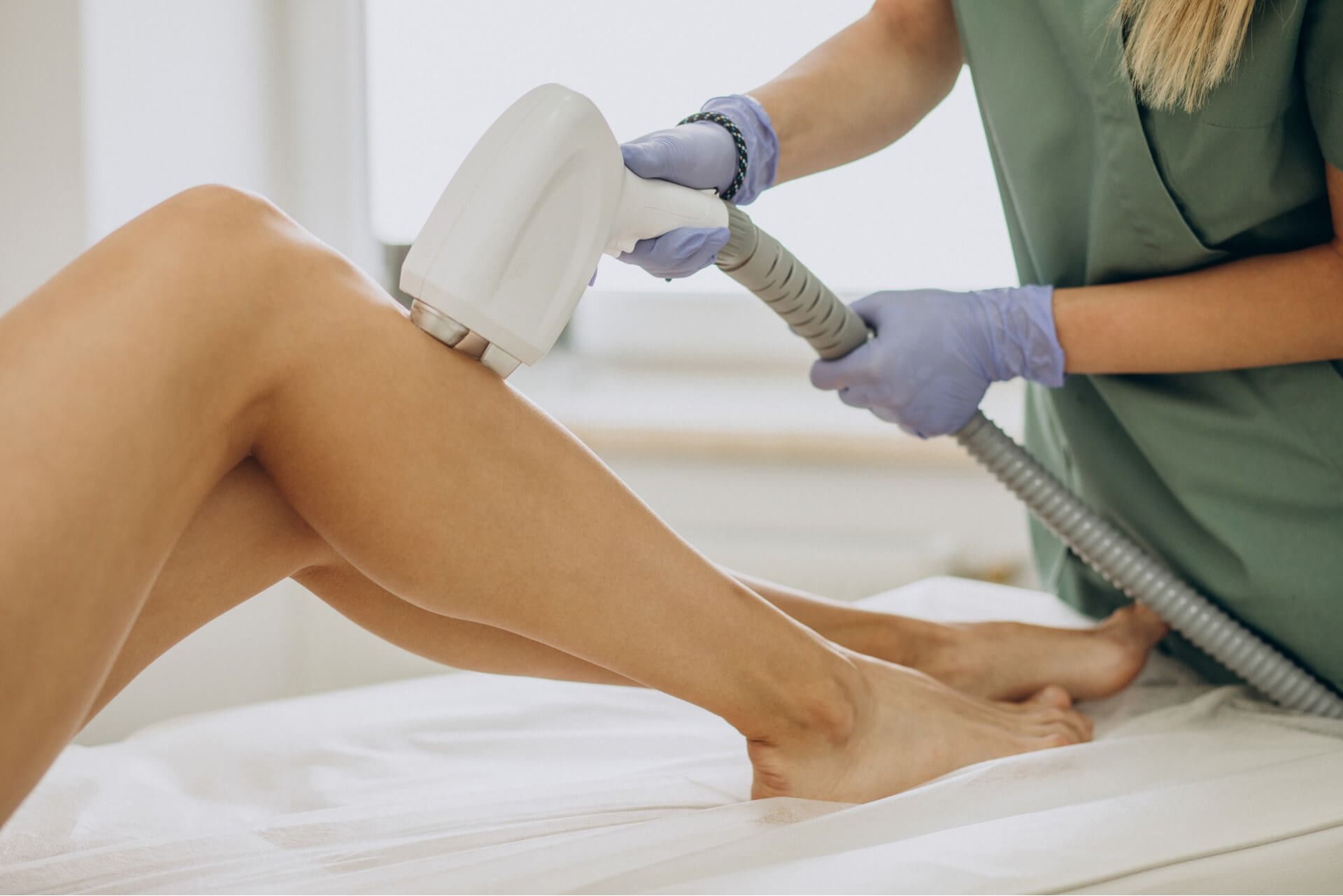
Laser hair removal is a method used to safely and effectively remove unwanted hair from the body. This process prevents hair growth by focusing high-energy light beams on the hair root. Laser hair removal offers a particularly permanent and long-lasting solution and provides a faster and more comfortable experience than traditional methods.
Laser hair removal prevents hair growth by damaging the hair root with thermal energy. During this process, the melanin pigment absorbs the hair root and produces thermal energy, thus damaging the hair root and stopping hair growth. Laser hair removal can be applied to different parts of the body and offers an effective solution in sensitive areas such as the face, legs, armpits, and bikini area.
Although laser hair removal is a safe and effective method for many people, unexpected results may occur in some cases. In this article, I will provide information about the reasons why hair does not fall out after laser hair removal and methods to deal with this situation.
Is Hair Shedding Expected After Laser Hair Removal?
Laser hair removal aims to prevent hair growth by targeting the hair root. Generally, hair loss is an expected result after laser epilation. However, in some cases, hair loss may also occur.
During the laser epilation process, the melanin pigment in the hair root absorbs light energy and converts it into heat energy. This heat causes damage to the hair root and stops hair growth. Therefore, hair loss after laser epilation is a normal expectation.
However, in some people, hair may not fall out completely. This may depend on factors such as the person's body structure, hair type, laser settings or frequency of application. Some people's hair may be more resistant to laser light and sufficient damage may not occur in the hair root.
Why Does Hair Not Fall Out After Laser Epilation?
There may be various reasons for hair not falling out after laser epilation. We will discuss these reasons in more detail below:
Hair Type and Pigmentation: Some people's hair may be less dense in terms of melanin pigment. This may cause the laser light not to absorb the hair root sufficiently and therefore the hair root may not be damaged sufficiently.
Hormonal Factors: Hormonal imbalances can affect hair growth. For example, in people with hormonal disorders such as polycystic ovary syndrome, hair loss after laser hair removal can be more common.
Application Technique: If the laser hair removal process is not applied with the right technique, it can cause the hair root to not be damaged enough. The right application technique, laser settings, procedure duration and frequency of application are of great importance.
Body Area: Some body areas can be more resistant to hair loss. For example, the beard area in men or the upper upper upper lip area in women can show more difficulty in hair loss.
Age and Hormonal Changes: Aging and hormonal changes in particular can affect hair growth. Hair loss can be more difficult in periods such as menopause or andropause.
Health Status: Some health problems can affect hair growth and loss. For example, thyroid disorders, iron deficiency or other metabolic problems can make hair loss difficult.
All of these factors can be the reasons for hair loss after laser hair removal. A personalized evaluation and appropriate treatment approach play an important role in overcoming this situation.
What Can Be Done to Prevent Hair Loss After Laser Epilation?
If hair does not fall out after laser epilation, various precautions can be taken. We will discuss these precautions in detail below:
Review of Application Technique:
It should be ensured that the laser settings are set correctly.
It should be ensured that the light beam targets the hair root exactly.
The duration and frequency of application should be determined specifically for the person.
Providing Hormonal Balance:
The presence of hormonal disorders should be investigated and appropriate treatment methods should be applied.
For example, in cases such as polycystic ovary syndrome, hormonal treatment options should be evaluated.
Improving Health Status:
Underlying health problems, such as thyroid disorders or iron deficiency, should be identified and treated.
Improving general health status can facilitate hair loss.
Supportive Treatment Methods:
Products that can promote hair loss, such as hair serums or supplements, can be used.
Supportive applications such as massage can help hair loss by increasing blood circulation.
Patient and Regular Follow-up:
Laser hair removal usually requires several sessions.
The hair loss process may vary from person to person. Patient and regular follow-up is important.
If necessary, a specialist dermatologist or plastic surgeon should be consulted.
All these measures can be effective if the hair does not fall out after laser hair removal. A personalized evaluation and appropriate treatment approach play a critical role in overcoming the problem.
 Call
Call
 Whatsapp