


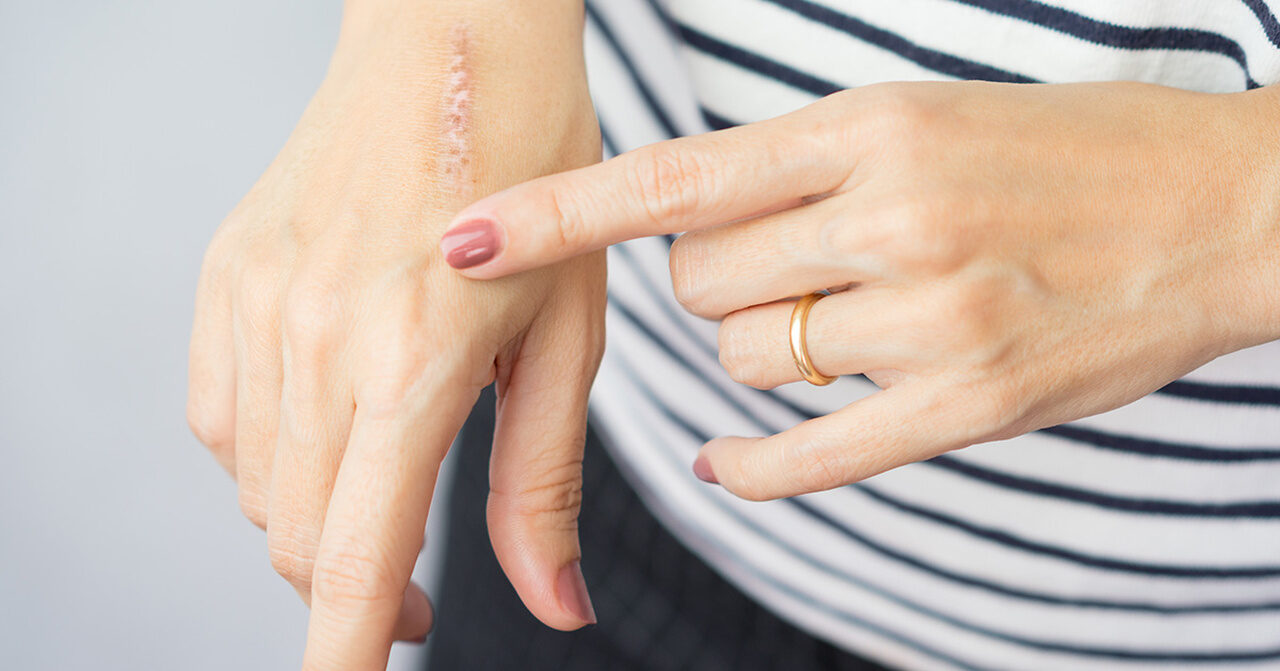

Types of burns include first, second and third degree burns. While first degree burns affect the top layer of the skin, second degree burns reach deeper tissues. Third degree burns are the most serious type of burn and can involve all skin layers and even muscle and bone tissues.
Types of Burns
First Degree Burns: Affects the epidermis, the top layer of the skin. Redness, pain and tenderness are seen, but skin integrity is not compromised.
Second Degree Burns: Affects the epidermis and dermis layers. The skin becomes red, swollen and blistered. It can be painful and sensitive.
Third Degree Burns: Can affect all skin layers and even muscle and bone tissues. The skin may appear white, dry and deeply damaged. Pain may not be felt because nerve endings may be damaged.
What to Apply to a Burn?
It is extremely important to treat the burn wound correctly. What to apply to the burn varies depending on the degree and size of the burn. In general, the following products can be used in burn treatment:
Cold Water: Immediately holding the burned area under cold water stops the progress of the burn and reduces pain.
Burn Cream or Ointment: In second-degree burns, it is recommended to use burn creams or ointments. These products moisturize the burned area and accelerate healing.
Antibiotic Ointments: Ointments containing antibiotics can be used to reduce the risk of infection in the burned area.
Wound Dressings: Special wound dressings can be used to keep the burned area clean and moist.
Painkillers: Painkillers may be recommended to reduce burn pain.
What Should Not Be Applied to a Burn?
It is not recommended to apply certain products to a burn wound. These include:
Butter, margarine or other oils
Toothpaste
Ice
Products containing alcohol
Creams, ointments or medications without a doctor's recommendation
Such products can further irritate the burned area or increase the risk of infection.
When Should You See a Doctor for Burn Treatment?
Depending on the degree and size of the burn, it may be necessary to see a doctor. It is recommended to see a doctor in the following cases:
Third-degree burns
Second-degree burns, especially on the face, hands, feet or genital area
First-degree burns, but only if they cover a large area
There are signs of infection in the burned area (pain, redness, swelling, discharge)
There are signs of burn shock (dizziness, nausea, rapid pulse)
The burn is in a child or elderly person
A doctor plays an important role in ensuring that the burn is treated properly and complications are prevented.
 Call
Call
 Whatsapp