



Skin rashes are a common problem faced by many people. Rashes on your skin can cause discomfort and anxiety. In this article, I will discuss the causes of skin rashes, their different types, diagnostic methods and treatment options. I will also give you information on when you should consult a dermatologist in case of skin rash.
General Information About Skin Redness
Skin redness occurs as a result of skin irritation or inflammation. There may be many different reasons for this. For example, allergic reactions, infections, skin problems such as dermatitis, eczema or psoriasis can lead to skin redness. Additionally, stress, temperature changes, chemicals or some medications can also cause skin redness.
Common Causes of Skin Redness
There are many common causes of skin redness. Some of these are those:
1. Allergic Reactions: If you are allergic to food, medicine or a substance you come into contact with, your skin may become red and itchy.
2. Dermatitis: Dermatitis is a skin condition that occurs as a result of skin irritation. Contact dermatitis can occur when the skin comes into contact with a certain substance.
3. Eczema: Eczema is a chronic skin condition that occurs as a result of dryness and irritation of the skin. Eczema can manifest itself with skin redness, itching and blisters.
Different Types of Skin Redness
Skin redness can be of many different types. Here are some common types of skin rash:
4. Rosacea: Rosacea is a skin condition that manifests itself with redness, swelling and acne-like lesions on the face.
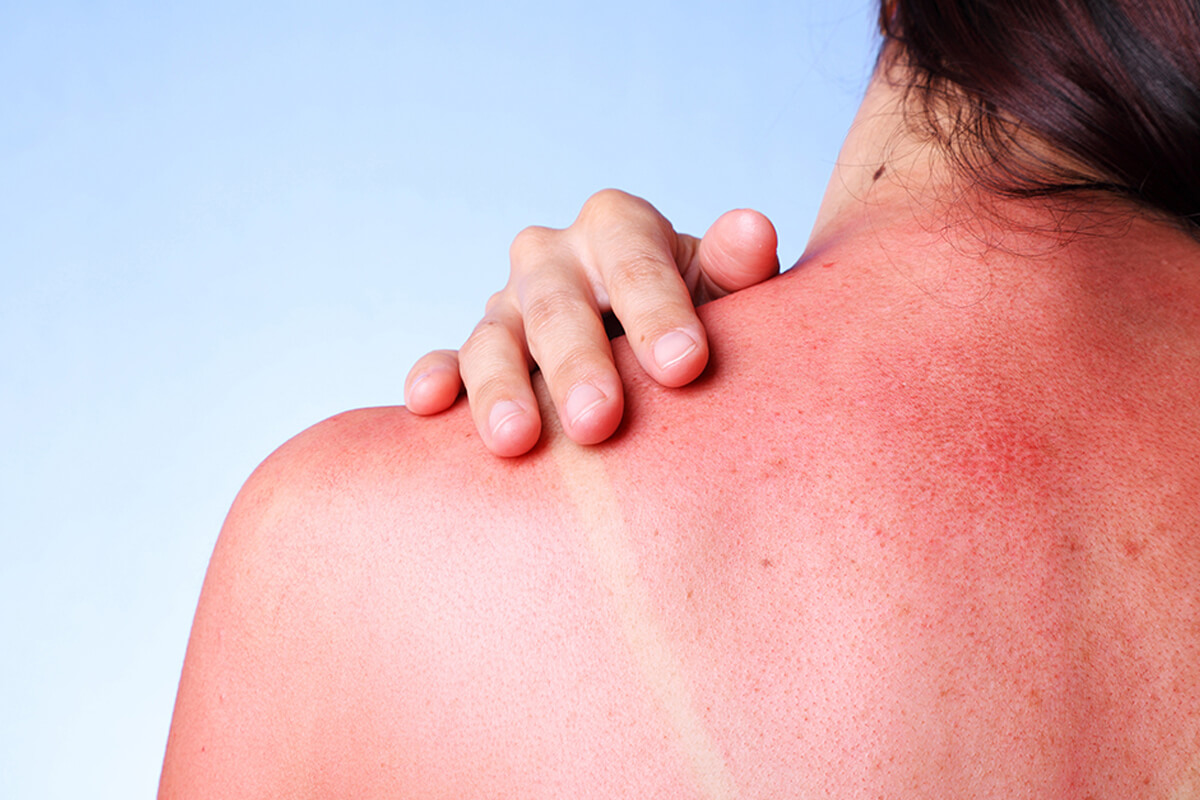
5. Sunburn: Prolonged exposure to the sun can cause burning and reddening of the skin. Sunburn can often be painful and cause skin peeling and blisters.
6. Irritant Contact Dermatitis: Irritant contact dermatitis is a skin condition that occurs as a result of skin irritation. Even if you are not allergic to a substance you come into contact with, your skin may become red and itchy.
Diagnosing Skin Redness
Accurately diagnosing skin rash is important to determine appropriate treatment options. Diagnosis of skin rash is usually made by a dermatologist. Your doctor will observe the symptoms on your skin, take your medical history, and perform some tests if necessary.
The Importance of Seeking Medical Help for Skin Redness
Skin redness can be a problem that usually goes away on its own. However, in some cases it can be a symptom of a serious health problem. Therefore, it is important to seek medical help in case of skin rash. You may need to see a dermatologist, especially if you have any of the following symptoms:
7. If redness, pain or itching is severe
8. If the rash is widely spreading
9. If the rash persists for more than a few weeks
10. If the rash is accompanied by fever, chills, or other serious symptoms
Over-the-Counter Treatments for Skin Redness
Mild skin rashes can often be treated with over-the-counter medications or topical creams. For example, over-the-counter antihistamines, corticosteroid creams, or moisturizers may be used. These can help reduce redness, itching, and discomfort. However, it is important to talk to a pharmacist or your doctor before using over-the-counter medications.
Prescription Treatments for Skin Redness
In more severe cases of skin redness, a dermatologist may recommend prescription medications. For example, corticosteroid creams, immunosuppressant medications, or antibiotics may be used. These medications can reduce redness, control inflammation, or treat infection. Before using prescription medications, it is important to consult a dermatologist.
Natural Remedies for Skin Redness
Some people may prefer natural solutions for skin redness. For example, natural products such as aloe vera gel, lavender oil, or chamomile tea can help calm the skin. However, scientific evidence is limited on whether natural remedies are effective. Therefore, caution should be exercised when using natural solutions and advice should be sought from a dermatologist.
Ways to Avoid Skin Redness
To prevent skin redness, you can follow these steps:
11. Moisturize your skin and use sunscreen.
12. Avoid substances that cause allergies.
13. Manage stress and lead a healthy lifestyle.
14. Avoid chemicals that can harm your skin.
When Should You Consult a Dermatologist for Skin Redness?
Skin rash usually goes away on its own, but in some cases medical attention may be required. Situations in which you should consult a dermatologist are:
15. If the rash is severe and disturbing
16. If the rash persists for more than a few weeks
17. If the rash is accompanied by fever, chills, or other serious symptoms
18. If the rash spreads widely
What treatment is used for skin rash?
Free Information,
Consultation and Appointment Request
 Call
Call
 Whatsapp