


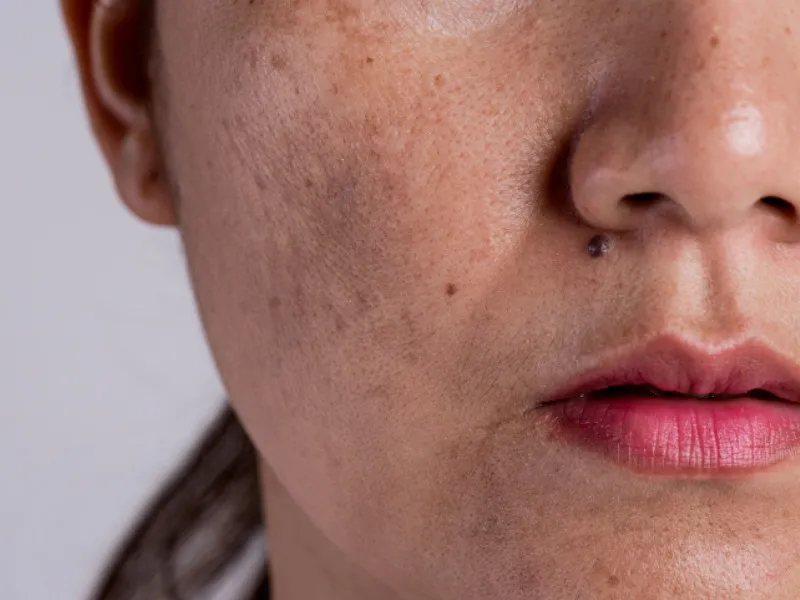

Melasma is a pigmentation condition that generally appears on the face as dark patches. It commonly affects the forehead, cheeks, nose and upper-lip area. It may develop when melanin becomes concentrated in certain parts of the skin and may become more noticeable in areas exposed to sunlight.
Although the exact cause of melasma is not fully understood, hormonal changes, genetic susceptibility and sun exposure are believed to trigger the condition. Melasma may occur more frequently during pregnancy because of hormonal changes. It is therefore sometimes referred to as the “mask of pregnancy.”
Melasma may cause aesthetic concern but is generally not a serious health condition. However, the patches may become darker or more noticeable over time because of sun exposure, hormonal changes and insufficient protective measures.
What You Should Know Before Melasma Treatment
Various factors should be assessed before beginning melasma treatment. Natural skin tone, skin type, the extent of the melasma and the depth of the pigmentation should first be examined. This assessment is important for preparing a plan according to individual characteristics.
Broad-spectrum sunscreen appropriate for the skin type should become part of the daily routine before treatment. Sunlight may contribute to melasma becoming darker and existing patches becoming more visible. What you should know before melasma treatment includes the importance of beginning sun protection before the treatment process.
The ingredients in products used during treatment should be evaluated carefully. Active ingredients such as hydroquinone may cause irritation, sensitivity or unwanted colour changes in some people and should therefore be used under professional guidance. Assessment by a dermatologist may help determine a suitable treatment method and skincare plan.
Relationship Between Pigmentation Treatments and Melasma
Pigmentation Treatments include methods used to reduce the appearance of melasma and other pigment concerns. These treatments aim to support a more balanced-looking skin tone. Melasma may require long-term follow-up and has a tendency to recur, so patience is important during treatment.
Methods used for melasma aim to control melanin production and reduce the appearance of existing patches. Topical products, chemical peeling and selected laser procedures may be considered according to individual skin structure. The suitability of each method should be determined according to the characteristics of the melasma and the expected skin response.
Sun protection is important during treatment for melasma and other pigmentation concerns. Ankara Lazer procedures may be considered for certain cases, but they may not be suitable for everyone. Since darkening or recurrence may occur after laser treatment, the decision to proceed and the device settings should be based on individual assessment.
Skin Pigmentation Treatments: Which Methods May Be Effective?
Chemical peeling is one of the methods used in Skin Pigmentation Treatments. It creates controlled exfoliation of the upper skin layer and aims to reduce the appearance of certain superficial spots. The acid and concentration used should be selected according to the skin type and pigmentation characteristics.
Laser treatment may help reduce visible spots by targeting areas of concentrated pigment. The device and energy settings used during Ankara Lazer procedures should be selected according to natural skin tone and the type of pigmentation. Laser treatment for melasma requires careful planning and assessment of the risk of darkening.
Microdermabrasion aims to remove dead cells from the skin surface in a controlled manner. It may help reduce certain superficial colour irregularities, but it may not be suitable or sufficient for every case of melasma. The appropriate method should be selected according to the skin type and characteristics of the melasma.
Ankara Lazer Procedures and Melasma Treatment
Ankara Lazer procedures are among the methods that may be considered for certain people with melasma. Laser energy may help lighten patches by targeting concentrated pigment. However, melasma is a complex and recurring pigmentation condition, and laser treatment should not be assumed to be effective or suitable in every case.
Laser treatment may be planned as one or more sessions. The interval between sessions varies according to the device, treatment intensity and the skin’s response. Session intervals should be individually determined to allow the skin to recover.
Different centres in Ankara provide laser procedures for melasma. The characteristics of the device, the practitioner’s training and preparation of a plan suitable for individual skin structure are important. Sun protection and adherence to aftercare may help reduce the risk of unwanted pigment changes.
Points to Consider During Melasma Treatment
Preparing a suitable plan is important for ensuring that melasma treatment progresses in a controlled manner. The method should be selected according to natural skin tone, sensitivity, the characteristics of the melasma and medical history. Assessment by a dermatologist is therefore recommended.
Sun protection may help reduce the risk of melasma becoming darker or noticeable again. Broad-spectrum sunscreen suitable for the skin type may be used daily. Physical protection such as hats and shade may also help reduce intense sun exposure.
Balanced nutrition, adequate fluid intake and regular lifestyle habits are important for general health. A diet balanced in antioxidants may support general skin health, but these habits should not be expected to treat melasma directly or determine the treatment response.
Skincare After Treatment
Skincare after treatment is important for supporting the skin barrier and helping preserve the achieved appearance. Depending on the method, the skin may temporarily become more sensitive and vulnerable to external factors. The skincare routine should therefore be planned according to the procedure.
The skin should be treated gently, and strong products that may cause irritation should be avoided. Moisturisers suitable for the skin type and barrier-supporting products may be used. Product ingredients should be appropriate for individual skin structure and professional recommendations.
Regular dermatology follow-up after treatment may help assess the skin’s response and possible side effects. Since melasma may become noticeable again, sun protection and the recommended skincare plan should be continued.
 Call
Call
 Whatsapp