


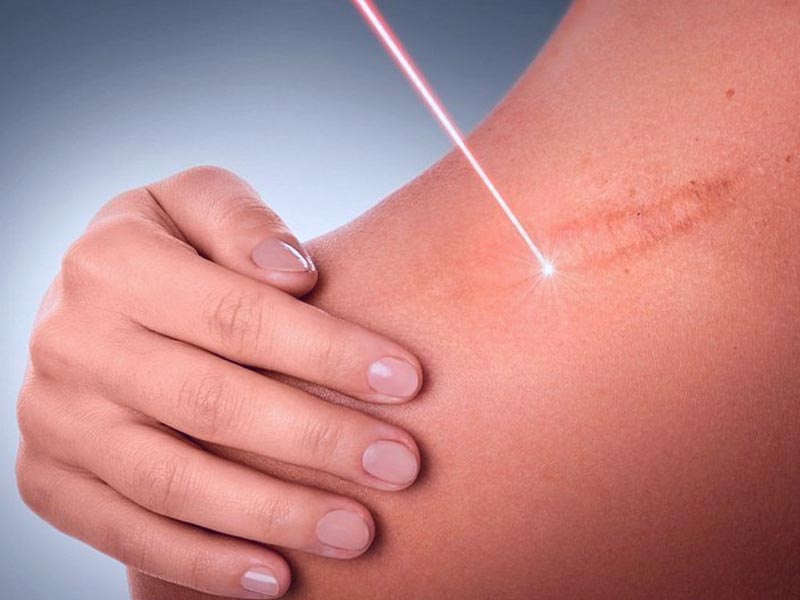

Scars are marks that form after an injury, surgery or another type of damage to the skin. They develop as part of the skin’s natural healing process and may appear as areas with a different texture, colour or thickness from the surrounding skin. Depending on their location and appearance, scars may cause aesthetic concerns.
Scarring is not limited to physical injuries or surgical procedures. Conditions such as acne and chickenpox may also leave visible marks on the skin. Inflammatory skin conditions can sometimes contribute to changes in skin colour or texture, particularly when the skin has been scratched, infected or repeatedly damaged.
Scar formation begins during wound healing as the skin produces collagen to repair the damaged area. However, collagen may be produced in an uneven amount or pattern. This can result in depressed, raised, widened or discoloured scars.
Scar treatment includes different methods intended to reduce the visibility of these marks, improve texture and support function when the scar causes tightness or restricted movement.
Causes of Scar Formation
Many factors may contribute to scar formation.
Injuries and Surgical Procedures
Injuries and operations are among the most common causes. Surgical incisions may leave visible marks as the skin heals. The final appearance depends on factors such as wound depth, location, tension, infection risk and individual healing characteristics.
Skin Conditions
Acne may lead to depressed, raised or pigmented marks, particularly when inflammation is severe or lesions are picked. Chickenpox may also leave small depressed scars.
Conditions such as eczema do not always create permanent scars directly. However, repeated scratching, infection or prolonged inflammation may cause colour changes or skin thickening.
Genetic Factors
Genetic predisposition plays an important role in healing. Some individuals are more likely to develop hypertrophic or keloid scars. Skin type, family history and previous scar behaviour should therefore be considered when planning treatment.
The Importance of Scar Treatment
Scar treatment may be important for aesthetic, psychological and functional reasons. Reducing the visibility of a scar can improve self-confidence and help an individual feel more comfortable in social situations.
Some scars may also cause physical symptoms. Deep, tight or contracted scars near joints can restrict movement. Raised scars may itch, become painful or cause discomfort when they rub against clothing.
Scar, wound and stretch-mark treatments may be planned to improve flexibility, reduce symptoms or soften the appearance of the affected area. However, the aim is generally to make the scar less noticeable rather than remove it completely.
Scar treatment should not automatically be considered a method that improves general health. Its main purpose is to address the appearance, symptoms or functional effects of the scar.
Types of Scar Treatment
Different methods may be used depending on the type, depth, age and location of the scar.
Laser Treatment
Ankara Laser applications may be used for selected scar types. Different laser technologies can target redness, pigmentation or uneven texture. Some fractional lasers stimulate collagen remodelling and may gradually improve the appearance of depressed scars.
The suitability of laser treatment depends on the individual’s skin tone and the characteristics of the scar. Temporary redness, swelling or pigmentation changes may occur.
Chemical Peeling
Chemical peeling exfoliates selected layers of the skin in a controlled manner. It may be considered for superficial marks, pigmentation and mild irregularities.
Chemical peels are generally not sufficient for deep, raised or contracted scars.
Microdermabrasion
Microdermabrasion mechanically exfoliates the outer layer of the skin. It may improve mild surface irregularities but has a limited effect on deeper structural scars.
Each treatment method has advantages and limitations. A dermatologist or qualified medical professional should assess the scar before a procedure is selected.
Preparations Before Scar Treatment
Several steps should be completed before scar treatment.
Skin and Scar Assessment
The scar should be examined to determine its type, depth, age, colour, texture and relationship with surrounding tissue. The presence of pain, itching, tightness or restricted movement should also be assessed.
This evaluation helps determine whether laser treatment, microneedling, injections, surgery or another method may be appropriate.
Review of Medical History
The specialist should review the individual’s medical history before treatment. Important information includes:
-
Previous reactions to procedures
-
Allergies
-
Current medication
-
Pregnancy or breastfeeding
-
Tendency to develop keloid scars
-
Bleeding disorders
-
Diabetes or impaired wound healing
-
Active skin infections
-
Use of retinoids or blood-thinning medication
This information may affect the timing, safety and selection of treatment.
Preparing the Skin
The skin should be free from active infection, open wounds and significant irritation before treatment. Sunburned or heavily tanned skin may not be suitable for certain procedures.
Products such as retinoids, exfoliating acids, abrasive scrubs or hair-removal methods may need to be stopped temporarily. The exact timing should be determined by the treating specialist.
A gentle cleanser, suitable moisturiser and broad-spectrum sunscreen may be recommended during the preparation period. New or potentially irritating products should not be introduced immediately before treatment.
Points to Consider During Scar Treatment
Several factors can affect the safety and effectiveness of treatment.
Choosing a Qualified Specialist
Scar treatment should be performed by a qualified healthcare professional with experience in evaluating different scar types. The person performing the procedure should be able to explain the expected benefits, limitations and possible risks.
Monitoring the Treatment Process
Regular follow-up appointments help the specialist assess the response of the scar and surrounding skin. The treatment plan may need to be adjusted according to healing, side effects or the degree of improvement.
Understanding Possible Side Effects
Possible reactions vary according to the procedure. Temporary redness, swelling, sensitivity, dryness, bruising or peeling may occur.
Laser, chemical peeling and microneedling procedures may also cause pigmentation changes, prolonged irritation or infection in some cases. Unexpected or persistent symptoms should be reported to the treating specialist.
Skincare After Scar Treatment
Post-treatment care is critically important for supporting recovery and protecting the treated area.
Sun Protection
The treated skin may be more sensitive to ultraviolet radiation. Direct sun exposure should be limited, and a broad-spectrum sunscreen with a high protection factor should be used when application is permitted.
Physical protection such as hats, clothing and shade may provide additional support.
Moisturising
A suitable moisturiser may help reduce dryness and support the skin barrier. Fragrance-free and gentle products should generally be preferred.
Gentle Cleansing
The skin should be cleansed without rubbing or using abrasive products. Hot water, scrubs and harsh cleansers should be avoided during the recovery period.
The timing of washing the treated area and restarting normal skincare products should follow the specialist’s instructions.
Appropriate aftercare may support recovery and help maintain treatment results. However, the healing period varies according to the procedure and the individual’s skin response.
Methods Used in Scar Treatment
| Method | Description |
|---|---|
| Laser Treatment | Uses controlled laser energy to address selected pigmentation, redness or texture irregularities. |
| Microneedling | Creates controlled microchannels in the skin to stimulate collagen remodelling. |
| Dermal Fillers | May temporarily elevate selected depressed scars and improve surface contour. |
| PRP | Uses platelet-rich plasma prepared from the individual’s blood as an adjunct to selected procedures. |
Other methods may include corticosteroid injections for raised scars, silicone gels or sheets, subcision for tethered acne scars and surgical revision for selected cases.
Each method has its own potential benefits, risks and recovery requirements. Treatment should therefore be selected after a specialist has assessed the type and behaviour of the scar.
 Call
Call
 Whatsapp