


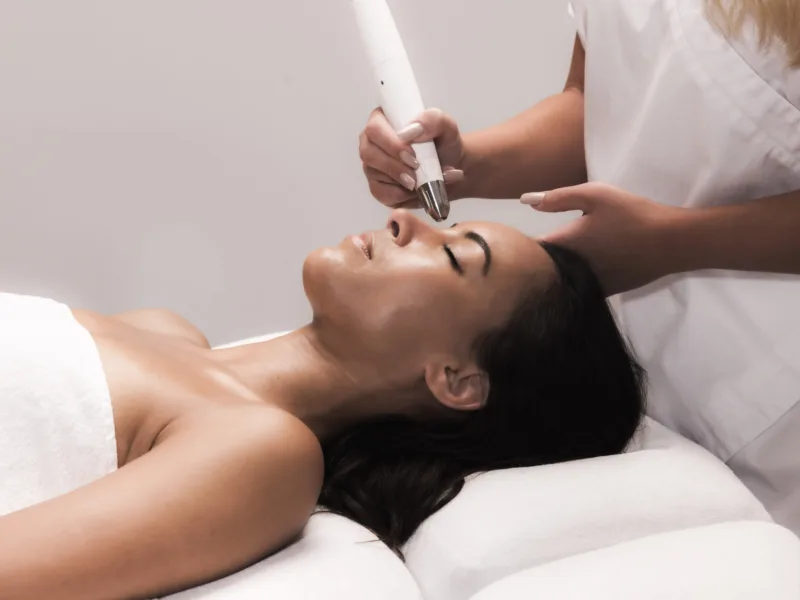

Skin pigmentation refers to colour changes that develop on the skin surface for various reasons. These spots may result from sunlight, ageing, genetic factors or hormonal changes. Skin pigmentation treatment includes different methods intended to reduce the appearance of these spots. It is important to understand the process before beginning treatment.
What Is Skin Pigmentation Treatment?
Skin pigmentation treatment aims to reduce the appearance of colour changes on the skin. It is used to support a more even skin tone and smoother-looking complexion. Skin pigmentation treatments may vary according to the cause of the pigmentation and the characteristics of the skin.
Skin pigmentation may cause aesthetic concerns, leading many people to research methods for reducing its appearance. Treatment options are selected according to the type of pigmentation, skin type and the person’s health condition. Suitable treatment may support a more balanced skin appearance in cases such as age spots or sun damage.
Skin pigmentation treatment should be performed by qualified healthcare professionals. Professional assessment plays an important role in selecting an appropriate method. A detailed skin analysis should therefore be performed before treatment.
What You Should Know Before Skin Pigmentation Treatment
Several basic factors should be considered before beginning skin pigmentation treatment. It is important to understand the possible risks that may affect skin health. What you should know before skin pigmentation treatment includes treatment duration, expected results and possible side effects.
Treatment duration may vary according to the selected method and individual skin structure. Some procedures require several sessions, while others may follow a different plan. Patience and compliance with professional recommendations are important. Since results vary from person to person, expectations should be realistic.
Another point to consider is the possibility of side effects. Allergies or skin sensitivity may affect the treatment plan. Skin history, current medication and general health information should therefore be shared with the professional before treatment. This assessment may help reduce possible risks.
Skin Pigmentation Treatment Methods
Different methods are available for skin pigmentation. They are selected according to the cause of the spots and skin type. Pigmentation treatments may include chemical peeling, dermabrasion, microdermabrasion and laser treatments.
Chemical peeling creates controlled exfoliation of the upper skin layer and may help reduce the appearance of pigmentation. It may be considered for certain mild or moderate pigmentation concerns. The skin renewal process may be supported following peeling.
Microdermabrasion aims to remove dead skin cells by gently abrading the upper skin layer. It may be considered to support a smoother and more balanced skin appearance. Its suitability for sensitive skin should be determined through individual assessment.
Types of Pigmentation Treatments
Skin pigmentation treatments may include different techniques and approaches. Types of pigmentation treatments vary according to the characteristics of the pigmentation. Options may include chemical peeling, laser treatments and professional skincare procedures.
Chemical peeling creates controlled exfoliation of the upper skin layer and may be considered for certain superficial spots. It may help balance skin tone and reduce the appearance of pigmentation. Temporary sensitivity may occur following treatment.
Laser treatments may help reduce the appearance of pigmentation by targeting concentrated pigment in the skin. The method may be considered according to the type and depth of the spot. Ankara Lazer treatments should be planned by qualified professionals according to individual skin characteristics.
Homemade or natural products should not automatically be considered safe or effective. Acidic substances such as lemon juice may cause irritation, sensitivity and sun-related colour changes. Products intended for pigmentation should be selected under professional guidance according to the person’s skin structure.
Laser Treatment for Skin Pigmentation
Laser treatment is one of the methods considered for reducing differences in skin pigment. It aims to reduce the appearance of spots by targeting concentrated pigment. It may be preferred for certain deep or noticeable pigmentation concerns.
The response to laser treatment varies from person to person. Some people may notice changes after the first sessions, while others may require more treatments. Treatment duration and results depend on the type of pigmentation and the person’s skin structure. Professional recommendations should be followed throughout the process.
Temporary redness, sensitivity or swelling may occur after treatment. Sun protection and gentle skincare are important. These measures may help support the skin’s recovery.
Points to Consider During Skin Pigmentation Treatment
Several important points should be considered during treatment. Certain precautions are required to protect skin health and support the planned process.
First, protecting the skin from the sun is important. Sunlight may make pigmentation more noticeable and negatively affect the treatment process. Suitable sunscreen should be used, and intense direct sunlight should be avoided.
Maintaining the skin’s moisture balance is also important. A moisturiser suitable for the skin type may help reduce dryness and sensitivity. Keeping the skincare routine simple and gentle may also reduce the risk of irritation.
Finally, professional recommendations and the treatment plan should be followed regularly. A professional should be consulted without delay if a side effect or unexpected reaction occurs. This may allow possible complications to be assessed early.
Recovery and Care After Treatment
Recovery varies according to the skin’s response to the procedure. It is important to understand aftercare and the points that require attention. Although recovery depends on the treatment method and skin condition, certain common recommendations apply.
The skin should first be protected from sunlight. Sun exposure may increase the risk of new pigmentation or cause existing spots to become darker. Suitable sunscreen should be used and intense direct sunlight should be avoided.
The skincare routine should remain simple and gentle. Irritating products should be avoided because the skin may be sensitive after treatment. Gentle cleansers and a suitable moisturiser may support recovery. Products recommended by the professional should also be used.
A professional should be consulted if any abnormal or unexpected reaction occurs. This may help evaluate possible complications and support a more controlled treatment process. Appropriate aftercare may support a healthier and more balanced skin appearance.
Frequently Asked Questions About Skin Pigmentation
Many questions may arise about skin pigmentation and its treatment. Common questions and answers include:
-
Why does skin pigmentation develop?
-
Skin pigmentation may result from genetic factors, sunlight, ageing and hormonal changes.
-
-
Which treatment is most suitable for me?
-
The method is selected according to the type of pigmentation, skin type and health condition. Professional assessment may help identify an appropriate approach.
-
-
How soon can results be seen after treatment?
-
The time required varies according to the procedure and individual skin structure. Some people may notice a change after the first sessions, while others may require a longer process.
-
-
Is laser treatment permanent?
-
Laser treatment may help reduce the appearance of pigmentation for an extended period. However, new spots may develop or existing pigmentation may become noticeable again. Sun protection and suitable skincare may help preserve the achieved appearance.
-
-
What should I consider after treatment?
-
The skin should be protected from sunlight, a suitable moisturiser should be used and a gentle skincare routine should be followed. Professional recommendations and necessary follow-up appointments should not be neglected.
-
 Call
Call
 Whatsapp