


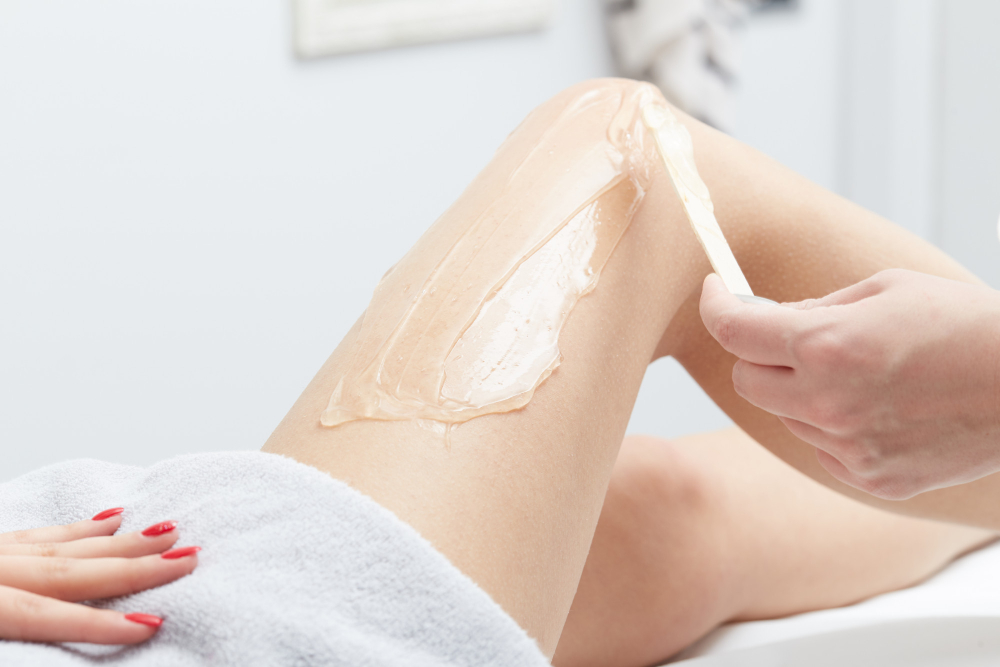

The most commonly used epilation methods are; waxing, laser, IPL (Intense Pulsed Light) and electric epilators. Each method has its own advantages and disadvantages. After the epilation process, one of the curious topics is when the hair will fall out.
When do hairs fall out after epilation?
The hair loss process after epilation may vary from person to person. However, in general, we can say that the hair starts to fall out within 1-2 weeks. The duration of hair loss varies depending on the epilation method used, hair thickness, skin type and personal factors.
For example, in epilation performed by waxing method, the hair usually begins to fall out within 1 week, while in laser epilation, this period can be up to 2 weeks. Additionally, the duration of hair loss may vary depending on the body area. In areas with thicker hair, it may take a little longer for the hair to fall out.
Hair loss process after epilation
The hair loss process after epilation occurs as follows:
Hair begins to fall out: 1-2 weeks after the epilation process, the hair begins to fall out. During this process, small pieces of hair or black spots may appear on the skin.
Complete hair loss: The process of feather loss usually takes 2-4 weeks. During this period, the hair will fall out completely and the skin will gain a hairless appearance.
Growth of new feathers: After the feathers fall out, it takes 4-8 weeks for the new feathers to grow. During this time, your skin will remain hairless.
The hair loss process after epilation may vary from person to person. While some people may experience hair loss faster, others may experience a slower process. Additionally, the rate of hair loss may vary depending on body parts.
Hair regrowth process after epilation
After the epilation process, after the hair is completely lost, it takes 4-8 weeks for new hair to grow. This process may vary depending on the person's skin structure, hair thickness and the epilation method used.
The process of new hair growth occurs as follows:
Reactivation of hair follicles: Even though hair follicles are damaged during the epilation process, they begin to reactivate over time.
New hair growth: With the reactivation of the hair follicles, new hairs begin to grow. This process is usually completed within 4-8 weeks.
Thickening of the feathers: Although the newly grown feathers are thin and soft at first, they thicken and harden over time.
The process of new hair growth after epilation may vary from person to person. While some people may experience hair growth faster, others may experience a slower process. Additionally, the rate of hair growth may vary depending on the body area.
Tips to speed up hair loss after epilation
You can follow these tips to speed up the hair loss process after epilation:
Regular massage: By gently massaging the skin, you can make the hair fall out faster.
Peeling application: Peeling procedures that remove dead skin cells can accelerate hair loss.
Hot application: You can trigger the hair loss process by applying hot water or hot compress to the epilation area.
Use of moisturizer: By moisturizing the skin, you can facilitate hair loss.
Exercise: Exercises that increase blood circulation can accelerate the hair loss process.
By following these tips regularly, you can speed up the hair loss process after epilation. However, since each person's skin structure and hair characteristics are different, these methods may not always have the same effect.
Hair loss treatments after epilation to get professional help
If you are experiencing problems with hair loss after epilation, there are several treatment options available to seek professional help:
Laser treatment: After laser epilation, additional laser treatment can be applied to accelerate hair loss.
IPL (Intense Pulsed Light) treatment: IPL treatment can prevent hair loss and regrowth.
Electric epilator treatment: Using an electric epilator can also be an effective solution for hair loss problems after epilation.
Chemical peeling: Chemical peeling procedures that remove dead skin cells can accelerate hair loss.
Skin care products: Products that moisturize and renew the skin after epilation can support the hair loss process.
To determine which of these treatment options will be right for you, it is recommended that you consult a professional such as a dermatologist or esthetician. By getting professional help, you can solve your hair loss problems after epilation more effectively.
 Call
Call
 Whatsapp