


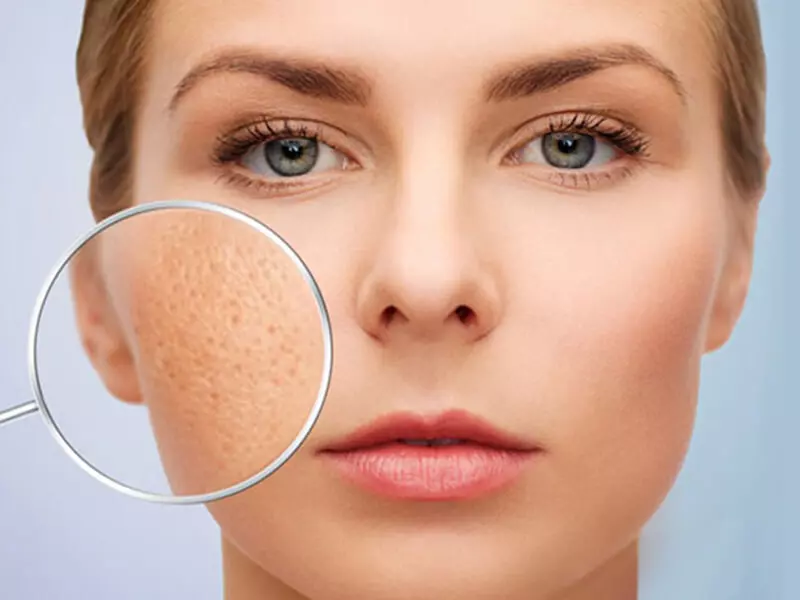

Laser Scar Treatment is used to reduce the visible appearance of selected Scars and Wound Scars. Different laser systems create controlled effects in the skin, targeting features such as redness, pigmentation, thickness, or texture. Laser treatment may be considered for selected burn scars, surgical scars, acne scars, and other scar types, depending on their characteristics.
The treatment process varies according to skin phototype, scar type, depth, location, and the laser used. Some laser technologies stimulate a remodeling response associated with collagen changes, which may gradually improve scar texture. Ankara Laser procedures should be individualized because not every laser is appropriate for every scar or skin type.
Laser treatment often does not require surgical scar excision, which can be an advantage for selected individuals. However, downtime varies considerably; mild non-ablative treatment and deeper ablative resurfacing have very different recovery profiles.
Potential Advantages of Laser Scar Treatment
One potential advantage of Laser Scar Treatment is that selected procedures can be performed without conventional surgery. However, this does not mean every laser procedure is associated with fewer complications or that anesthesia is never needed. Topical anesthetic, local anesthesia, cooling, or other comfort measures may be used depending on treatment depth.
Laser treatment may reduce selected characteristics of a Scar or Wound Scar, but the degree of improvement varies. Collagen remodeling develops gradually and should not be equated with creating completely new, young, or healthy skin. Results also cannot automatically be considered permanent.
Different lasers can be adjusted for different skin phototypes, but the risk profile is not identical across light and dark skin. In individuals with darker skin tones, careful device selection and settings may be particularly important because of pigment-related risks.
Laser Scar Treatment Process
Laser Scar Treatment begins with assessment of the scar and surrounding skin. Scar type, color, depth, location, skin phototype, medical history, previous procedures, and treatment expectations may all be considered.
During treatment, laser energy is delivered to the selected area. The procedure can last from a short period to considerably longer depending on the size of the area and technology used. Individuals may feel warmth, stinging, or discomfort, and some procedures may require topical or local anesthesia.
After treatment, redness, swelling, warmth, dryness, or sensitivity may occur. These reactions can improve relatively quickly after mild procedures or last longer after intensive resurfacing. Visible changes may develop gradually over the following weeks or months.
When Do the Effects of Laser Scar Treatment Become Visible?
The effects of Laser Scar Treatment usually do not reach their final level immediately. Temporary redness or swelling may initially make the treated area appear different before any scar improvement can be assessed.
Remodeling may continue for several weeks or months, depending on the laser and individual healing response. Some individuals may notice an earlier change, while others require several sessions before a meaningful difference becomes apparent.
Improvement can be long-lasting in selected cases, but permanent results cannot be guaranteed. Skin aging, further injury, scar characteristics, and individual biological response can all influence the appearance over time.
What Should Be Considered During Laser Scar Treatment?
Before treatment, the skin is generally cleaned according to the procedure. Makeup, sunscreen, and other surface products may need to be removed, but this does not mean cleansing itself increases the laser's effectiveness.
Recent tanning or excessive ultraviolet exposure may affect the suitability of selected laser procedures. Sun protection should therefore be discussed before and after treatment.
After treatment, the skin-care routine should follow the type of laser used. Some treatments require simple moisturizing, while deeper resurfacing may involve specific wound-care instructions. Unexpected or worsening symptoms should be professionally evaluated.
Care After Laser Scar Treatment
Aftercare can support recovery following Laser Scar Treatment, but it cannot maximize or guarantee treatment success. The treated area should be cared for according to the specific procedure.
Sun protection may help reduce the likelihood of post-treatment pigmentation changes. Broad-spectrum sunscreen, protective clothing, and limiting excessive ultraviolet exposure may be recommended.
Strong exfoliants, retinoids, acids, or abrasive products may need to be temporarily avoided. The exact timing for restarting active products depends on barrier recovery and professional instructions.
Frequently Asked Questions About Laser Scar Treatment
How long does treatment take?
Procedure time depends on the scar size, treatment area, laser technology, anesthesia requirements, and settings. Some sessions may be relatively short, while others require substantially longer.
Is laser treatment painful?
Discomfort varies. Some individuals experience mild warmth or stinging, while more intensive procedures may require topical or local anesthesia. Laser scar treatment should not be described as universally painless.
Are treatment results permanent?
Visible improvement may be long-lasting in selected scars, but permanence cannot be guaranteed. The treatment plan, scar type, skin response, and long-term biological changes all influence the result. Professional evaluation at a center offering Ankara Laser or other scar treatment technologies can help determine whether laser treatment is appropriate.
 Call
Call
 Whatsapp