



Scar treatment is an important process that many people turn to in order to reduce aesthetic concerns and improve the appearance of the skin. For those wondering when the results of this treatment method begin to appear, several factors come into play. To answer the question of when the appearance begins to change with scar treatment, it is necessary to examine the treatment process and the factors that affect it in detail.
Formation of Scars and the Treatment Process
Scars appear as part of the skin’s recovery process after an injury. These marks are part of the body’s natural healing process and usually form when collagen fibers come together. Since everyone’s skin structure and recovery rate are different, the appearance of scars and their response to treatment may vary from person to person.
When starting the treatment process, the type and severity of the wound should be taken into consideration. Scar treatment is usually a process that should be evaluated by a specialist. During the initial evaluation, factors such as the general condition of the skin, the age of the scar, and its depth are considered, and the most suitable treatment method is determined. Depending on the treatment method, when changes in appearance begin may also vary.
It is important for patients to be patient during the treatment process. Instead of expecting scars to disappear completely, it is more appropriate to observe improvements in appearance and follow specialist recommendations during this process. After treatment begins, changes may generally start to be noticed within a few weeks.
Scar – Wound Scar – Stretch Mark Treatments: Different Methods and Their Effects
Scar – wound scar – stretch mark treatments are performed with different methods and technologies. Various methods such as laser treatments, microneedling, chemical peeling, and silicone sheets are used to reduce the appearance of scars. Each method has its own advantages and limitations.
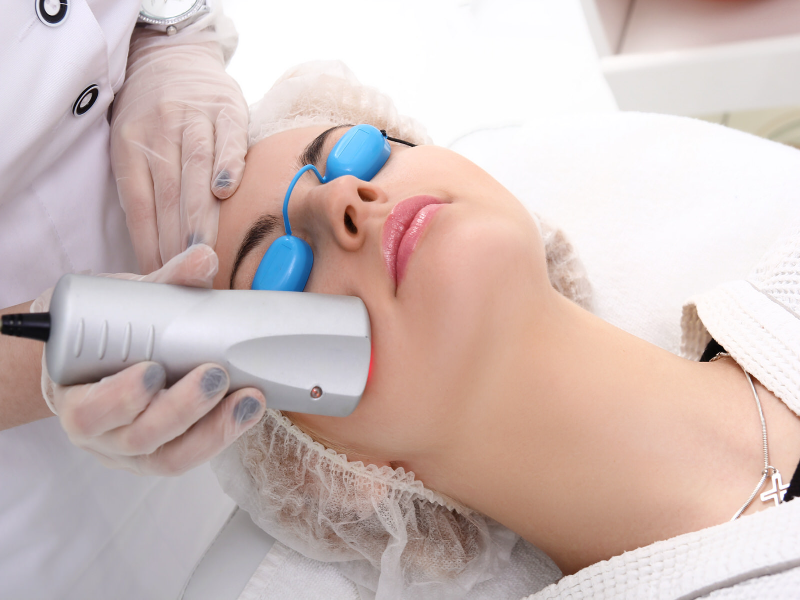
Laser Treatments: This method targets the upper layers of the skin, stimulates collagen production, and reduces the appearance of scars. Laser treatment generally requires several sessions, and improvement may be observed on the skin after each session.
Microneedling: This method creates microchannels on the skin with small needle touches and accelerates the skin’s self-renewal process. It may be especially effective for newly formed scars.
Chemical Peeling: This method exfoliates the upper layer of the skin and helps reveal healthier-looking skin layers underneath. It may support improvement in skin tone and texture.
When deciding which method is suitable for scar treatment, getting specialist advice is the most appropriate approach. The effectiveness of each method may vary depending on the individual skin structure and the characteristics of the scars.
Methods Used in Scar Treatment
There is a wide range of methods used in the treatment of scars, from surgical interventions to topical creams. The choice of these methods depends on the type and size of the wound and the patient’s general health condition.
Surgical Interventions: Surgical methods may be preferred for large and deep scars. These interventions are used to remove or reshape the scar. The recovery process after surgical procedures may be slightly longer, but the results may be long-lasting in suitable cases.
Topical Creams and Gels: Topical products are creams and gels applied directly to the skin. These products are used to lighten the color of scars and improve their texture. Regular use is required to achieve the desired improvement.
Massage and Physical Therapy: Massage techniques and physical therapy applications may be effective especially for scars that occur after burns and surgery. These methods reduce stiffness in the skin and increase flexibility.
The effectiveness of the methods used in scar treatment may vary depending on the person’s skin structure and the type of scar. For more suitable results, more than one method may be recommended together.
Continuity of Scar Treatment and the Need for Patience
Scar treatment is usually a long-term process, and patience is essential during this period. When starting treatment, instead of expecting immediate results, it is necessary to focus on small but meaningful changes. The treatment duration varies depending on the method used and the characteristics of the scar.
The continuity of scar treatment depends on the skin renewal process. The skin renews itself at a certain pace, and this process varies from person to person. Regular treatment sessions and specialist follow-up help this process progress more efficiently.
During this process, being patient and strictly following specialist recommendations are important. Observing how the skin reacts at every stage of treatment is important for revising the treatment plan when necessary. Every individual’s skin structure is different, and this is another important factor affecting the treatment process.
Care After Scar Treatment and Things to Consider
Care steps that should be followed after treatment help scars recover in a healthier and more effective way. Post-treatment care is a factor that directly affects treatment success.
Sun Protection: After treatment, the skin becomes more sensitive to sunlight. Therefore, using high-factor sunscreens and protecting the skin from the sun are important.
Moisturizing: Keeping the skin moisturized supports the recovery process and increases the flexibility of skin tissue. Products with moisturizing properties that do not irritate the skin should especially be preferred.
Regular Checkups: Regular doctor checkups should not be neglected in order to evaluate the effectiveness of the treatment process and update the treatment plan when necessary.
These basic steps to be considered after treatment help scars recover in a healthier way and support longer-lasting treatment results.
Factors Affecting the Results of Scar Treatment
There are many factors that affect the results of scar treatment. These include personal skin structure, age, the age of the scar, and its depth. Since every individual’s skin structure and recovery capacity are different, the response to treatment also varies from person to person.
Skin Type and Structure: Oily, dry, or combination skin types may respond to treatment in different ways. The elasticity of the skin and its natural recovery capacity also play an important role.
Age: Younger skin generally has a faster recovery capacity. However, this does not mean that other age groups cannot respond to treatment.
Age of the Scar: Newly formed scars generally respond better to treatment compared to older scars. This is because fresh scars usually create less established changes on the skin.
Each of these factors directly affects the scar treatment process and the results obtained. Before starting treatment, these factors should be taken into consideration, and the treatment plan should be shaped according to personal needs.
 Call
Call
 Whatsapp