


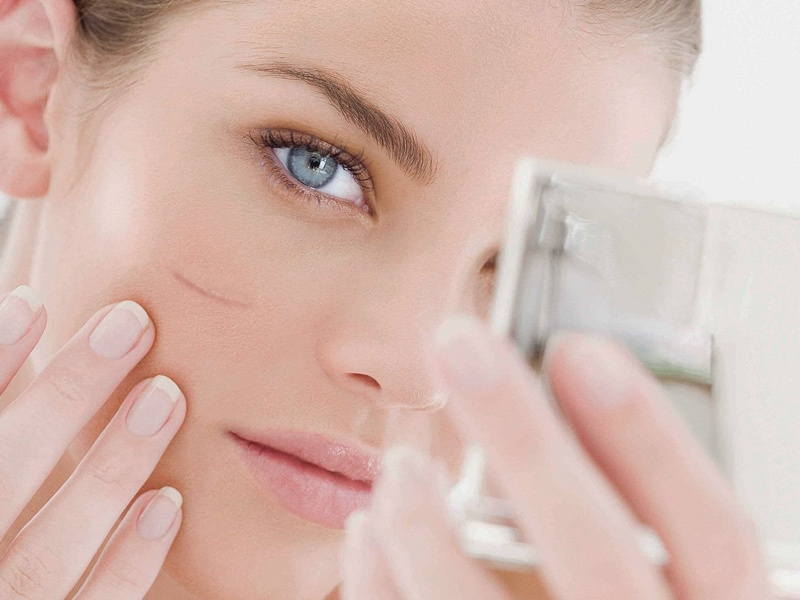

Scar Treatment includes a range of procedures intended to reduce the visible appearance of scars and certain stretch marks. Treatment may aim to improve scar size, color, texture, or surface irregularity rather than restore the skin completely to its previous appearance. Scars can develop after surgery, accidents, burns, acne, and many other types of skin injury, so different scars may require different treatment approaches.
Scar treatment is individualized according to the type, depth, location, and characteristics of the skin change. Treatment options may include laser procedures, chemical peels, microdermabrasion, injections, surgery, or other methods. Professional assessment by a dermatologist, plastic surgeon, or appropriately qualified clinician can help determine which treatment may be suitable.
Treatment duration and visible response vary from person to person. Some individuals may notice changes relatively early, while others may require a longer treatment and remodeling period. Visible improvement can develop over weeks or months depending on the scar and procedure, so patience and appropriate follow-up are important.
Importance of Scar Treatment
Scar treatment is not considered only for cosmetic concerns. Some scars can also affect how individuals feel about their appearance. However, the psychological effect of a visible scar varies from person to person, and aesthetic treatment should not automatically be expected to improve confidence or social well-being.
Some scars may also have functional consequences, particularly when they cross joints or become tight and contracted. Thick or restrictive scars can limit movement in selected cases. Treatment may help improve mobility or discomfort when the scar has a functional component, although the appropriate approach depends on the specific scar.
Scar treatment primarily targets the scar itself rather than general skin health. Certain procedures may stimulate controlled remodeling in the treated area, but they should not be described as comprehensive methods for making the skin younger or healthier overall.
Scar Treatment Methods
Methods used for scar treatment vary according to scar type, size, location, and skin characteristics. One commonly considered option is Laser Treatment. Different laser systems may target color, vascularity, texture, or selected dermal components associated with the scar. Ankara Laser procedures should therefore be selected according to the individual scar rather than assuming one laser is suitable for every case.
Microdermabrasion and Chemical Peeling may be useful for selected superficial texture or pigmentation concerns. These methods mainly affect the outer layers of the skin and generally have a more limited role in deep structural scars.
Filler injections and surgical revision are other possible approaches. Fillers may temporarily improve the appearance of selected depressed scars, while surgical revision may be considered for scars whose shape, width, orientation, or functional effect could potentially be improved by surgery.
Technologies Used in Scar Treatment
Advances in technology have expanded the range of devices used in scar management. Fractional Laser systems create controlled treatment zones in the skin and may support tissue remodeling in selected scars. Their usefulness depends on scar type, depth, skin phototype, and treatment settings.
Radiofrequency (RF) devices generate controlled thermal effects within selected tissue depths and may be used in certain scar or skin-remodeling protocols. Their role varies according to the RF technology and scar characteristics, and they should not be considered universally effective for facial scars.
Ultrasound-based treatments use acoustic energy at different depths depending on the device. Some ultrasound technologies are primarily designed for other skin indications, so their role in scar treatment depends on the specific system and available evidence rather than ultrasound being a standard treatment for every scar.
When Does the Appearance Begin to Change with Scar Treatment?
Changes in scar appearance may become noticeable at different times depending on the procedure and the individual's healing response. Some superficial changes may be seen earlier, while collagen remodeling or structural improvement may take several weeks or months. Scar, Wound Scar, and Stretch Mark Treatments may also require more than one session.
Some laser procedures may produce visible changes sooner than treatments that rely more gradually on remodeling. However, microdermabrasion, chemical peels, and laser systems should not be compared using a single fixed timeline because they treat different types of concerns.
Patience is important during treatment because scar remodeling is gradual. Results should also not be assumed to be permanent simply because regular aftercare is followed. Ankara Laser or other professional treatment plans should be evaluated over time according to the scar's response.
What Should Be Considered During Scar Treatment?
Before treatment begins, detailed evaluation by a dermatologist, plastic surgeon, or another appropriately qualified professional is important. Skin phototype, scar type, depth, color, age, symptoms, and medical history may all influence treatment selection.
During treatment, factors that can increase irritation should be managed carefully. Excessive ultraviolet exposure may increase the risk of pigment changes after some procedures. Suitable sun protection and skin-care products should therefore be selected according to the treatment performed.
Balanced nutrition supports general health and normal tissue function. Adequate hydration and nutrient intake are also part of overall health, but they should not be presented as direct methods for accelerating scar remodeling or guaranteeing better treatment results.
Scar Treatment Process
Scar treatment usually begins with assessment of the existing scar and surrounding skin. The clinician evaluates the scar's characteristics and determines which approach, if any, may be appropriate.
After a plan is established, treatments may be performed at intervals that allow sufficient skin recovery. The interval varies according to the procedure and the individual's response. The treatment plan may also be adjusted if the scar responds differently than expected.
Visible improvement may develop gradually rather than appearing only at the end of treatment. Follow-up and aftercare can help assess recovery and whether further treatment is appropriate, but they cannot guarantee a particular result.
Aftercare Following Scar Treatment
Aftercare is an important part of supporting normal recovery following many scar procedures. The treated skin may temporarily be more sensitive, and unnecessary rubbing, scratching, or irritation should generally be avoided.
Suitable moisturizers may be recommended when the procedure causes dryness or barrier disruption. Irritating products may need to be temporarily discontinued, and sun protection may also be important because ultraviolet exposure can contribute to pigment changes in recently treated skin.
Regular follow-up may help evaluate how the treated area is responding. Professionals can assess how the skin is responding to treatment.
 Call
Call
 Whatsapp