


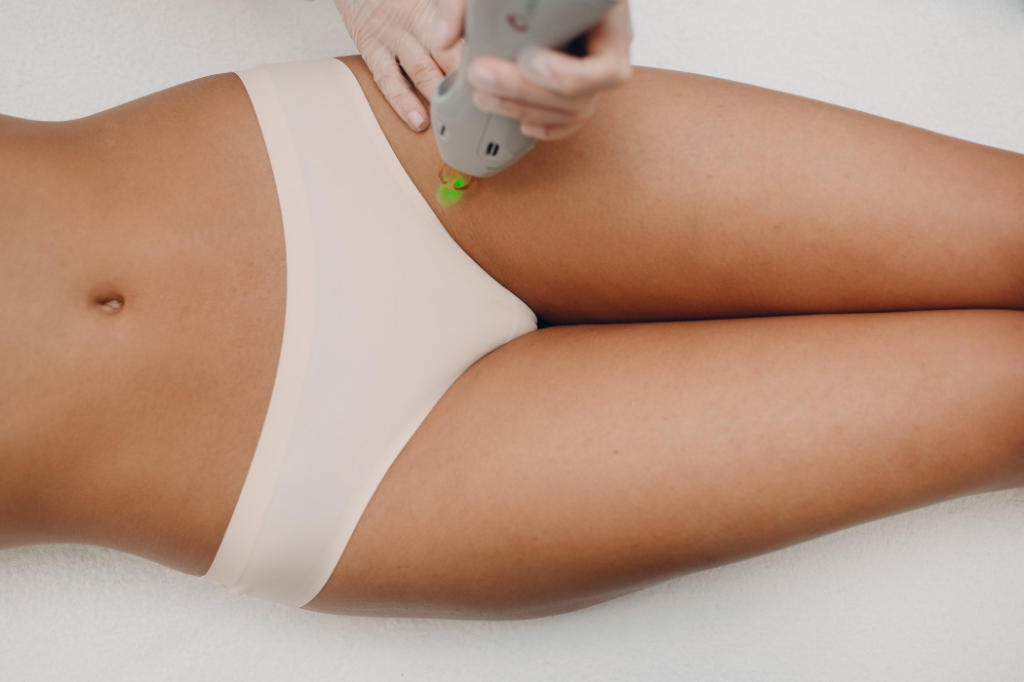

Genital area lightening refers to cosmetic procedures intended to reduce the appearance of darker pigmentation on the external genital or surrounding skin. Natural pigmentation in this region varies widely and is often completely normal. Treatment is generally sought for cosmetic preference rather than medical necessity.
Pigmentation can be influenced by genetics, hormones, friction, inflammation, aging, and individual skin characteristics. Treatment may reduce visible pigmentation in selected cases, but reaching a specific skin color cannot be guaranteed.
Some individuals may feel more comfortable with their appearance after treatment. However, the procedure does not improve hygiene, cleanliness, or health simply by making the skin lighter. Selected Ankara Laser procedures may be considered after professional assessment.
Goals of Genital Area Lightening
The main goal is cosmetic reduction of selected hyperpigmentation or color contrast. The aim should not be to make naturally darker genital skin appear “normal,” because normal pigmentation varies considerably.
Some people may seek treatment because the pigmentation affects how they feel about their appearance. Any effect on confidence is individual and cannot be guaranteed.
Genital area pigmentation is not a hygiene problem. Lightening the skin does not make the area cleaner, reduce sweating, or improve personal hygiene.
When May Genital Area Lightening Be Considered?
Treatment may be considered when an individual is concerned about persistent pigmentation and has been appropriately evaluated. Hormonal influences, friction, post-inflammatory pigmentation, and genetics can all contribute.
Naturally darker pigmentation does not by itself require treatment. The decision should be based on personal preference and realistic expectations rather than the assumption that darker skin is unhealthy.
If pigmentation changes suddenly, is associated with itching, pain, rash, thickening, discharge, or another new symptom, medical evaluation may be more appropriate than cosmetic lightening.
Genital Area Lightening Methods
Different methods may be discussed depending on the skin and treatment area.
Laser Treatment: Selected lasers may target certain pigmentation, but results depend on the device, skin phototype, pigment cause, and settings. Permanent lightening cannot be guaranteed.
Chemical Peeling: Carefully selected peels may be used on appropriate external skin, but the genital area is sensitive and unsuitable products or excessive treatment can cause irritation, burns, or pigmentation changes.
Topical Products: Some professional topical formulations may be considered, but “natural” products are not automatically safe. Irritating home remedies should be avoided.
Treatment should be planned specifically for external skin and according to professional assessment.
Risks and Side Effects
Temporary burning, redness, swelling, dryness, or sensitivity can occur after laser or chemical treatments.
Post-inflammatory darkening or lightening, prolonged irritation, blistering, infection, and scarring are possible complications, particularly after overly aggressive treatment.
Topical products can also cause allergic or irritant reactions. Any significant worsening should be professionally assessed.
Care After Genital Area Lightening
Aftercare depends on the procedure. Gentle cleansing, friction reduction, suitable barrier-supporting products, and avoiding irritating ingredients may be recommended.
Sun protection is relevant if the treated external skin is actually exposed to ultraviolet light; it is not automatically required for permanently covered areas in the same way as facial treatments.
Hot baths, friction, sexual activity, exercise, or active skin products may sometimes need to be temporarily limited depending on the procedure. The exact instructions should come from the treating professional.
Who May Consider Genital Area Lightening?
The procedure may be considered by adults who are concerned about pigmentation and understand that darker genital skin is often normal.
Suitability depends on skin condition, pregnancy or breastfeeding status when relevant, active infection or dermatitis, medications, and the proposed method.
The decision should be informed and based on realistic expectations rather than the expectation that treatment will necessarily improve confidence.
Frequently Asked Questions About Genital Area Lightening
1. How long does the procedure take?
Duration varies according to the treatment method and area. There is no universal 20–30 minute standard.
2. When will results be visible?
Changes develop at different rates. Several sessions may sometimes be required, and improvement is not guaranteed.
3. Is it painful?
Discomfort varies from mild warmth or stinging to greater sensitivity depending on the procedure.
4. Is the procedure safe?
All procedures carry risks. Appropriate professional assessment and conservative treatment can reduce avoidable risk but cannot eliminate it.
5. Does it need to be repeated?
Pigmentation may persist or recur because friction, hormones, inflammation, and genetics remain relevant.
6. What should be considered beforehand?
The skin should be assessed to determine whether the pigmentation is normal, inflammatory, or associated with another dermatological condition before cosmetic treatment is planned.
 Call
Call
 Whatsapp