



Sunburns occur as a result of excessive exposure of the skin to ultraviolet (UV) rays. UV rays damage the upper layer of the skin, causing burns. Sunburns are generally more common in individuals with fair skin and sensitive skin. Additionally, the time spent in the sun, the intensity of the sun, and whether or not protective measures are taken also affect the severity of sunburns.
Causes of Sunburns
The main cause of sunburn is damage to the skin following exposure to UV rays. Sun rays damage the DNA in the upper layer of the skin and cause inflammation in the skin cells. This causes sunburn symptoms such as redness, swelling and pain. Additionally, duration of sun exposure, sun intensity, and skin sensitivity are also factors that affect the severity of sunburns.
Symptoms of Sunburns
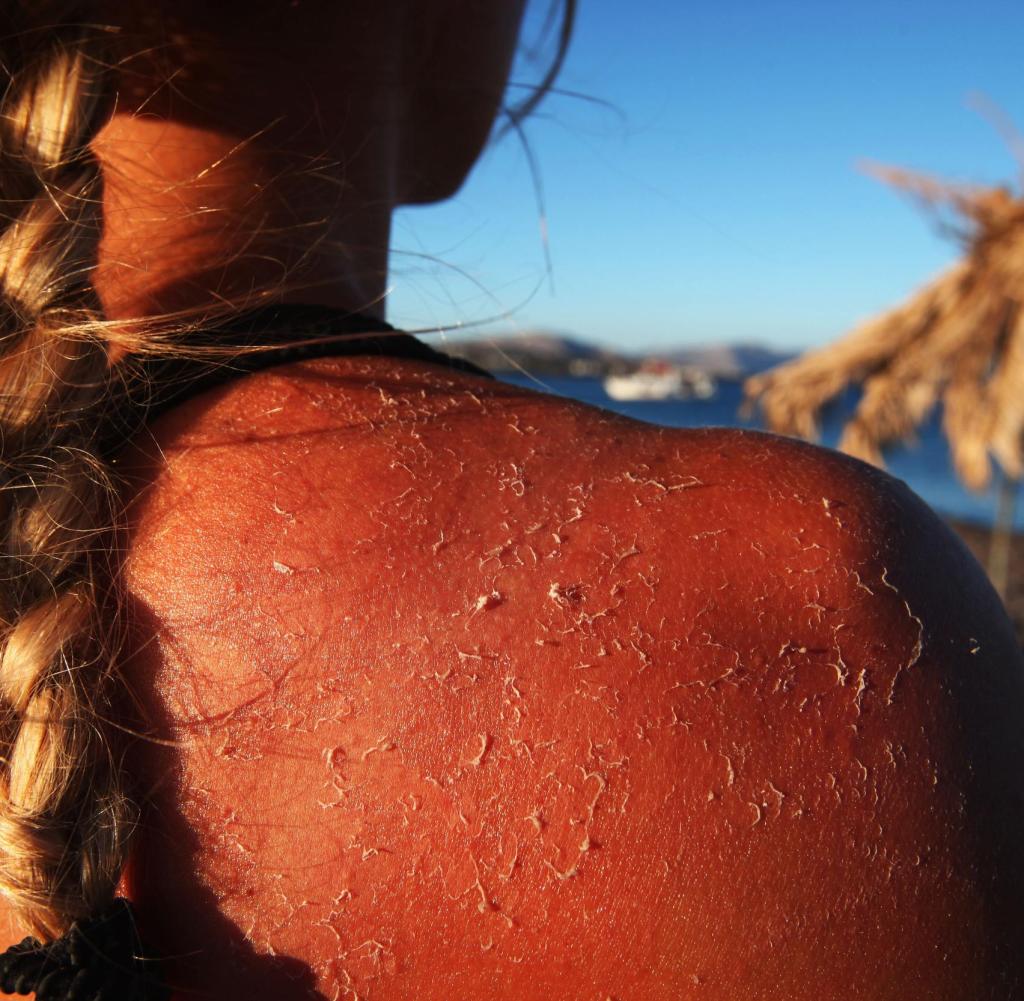
Symptoms of sunburn usually appear immediately. Redness, swelling, tenderness and pain are observed in the burn area. Also, flaking of the skin is a common symptom with a burn. The burn area may feel warm to the touch and sometimes blisters may form. Sunburn pain is usually felt severely within about 24 to 48 hours, although this duration may vary from person to person.
How Long Do Sunburns Usually Last?
How long sunburns last varies from person to person. Mild sunburns usually heal within a few days, while more severe burns may take longer. Usually sunburns heal within 7 to 10 days. However, factors such as burn severity, skin sensitivity, and the person's general health condition can affect recovery time. Additionally, taking appropriate treatment and precautions can speed up the healing process.
Factors Affecting the Healing Process
There are many factors that affect the healing process of sunburns. Factors such as skin sensitivity, burn severity and skin care affect the healing speed. Additionally, the use of appropriate treatment methods and skin care products can also accelerate the healing process. However, in some cases, sunburns can increase the risk of infection and last longer. Therefore, it is important to start sunburn treatment early and take appropriate precautions.
Home Methods to Relieve Sunburn
If you have a sunburn, you can get relief with some methods you can apply at home. First of all, you can soothe your skin by washing the burn area with cool water. You can also moisturize your skin by using skin care products such as moisturizing lotion or aloe vera gel. In addition, cold compresses with anti-inflammatory effects can also provide relief. It is also important to drink plenty of water and protect your skin from the sun during the healing process.
Over-the-Counter Treatments for Sunburns
There are many over-the-counter treatment options for sunburns. These treatments often help calm the skin, reduce inflammation, and relieve pain. For example, pain-relieving creams and lotions may be effective against sunburn. Additionally, products containing corticosteroids, such as hydrocortisone cream, may also reduce inflammation. However, it is important to consult a healthcare professional before using these medications.
When Should You Seek Medical Help for Sunburns?
Sunburns can usually be treated at home. However, in some cases medical attention may be required. It is important to consult a healthcare professional, especially if the burn is severe and blisters have formed on the skin. Also, if you have symptoms such as severe pain, fever, dizziness, or nausea, you may need to seek medical help immediately. Also, if you think your sunburns are infected, it is important to consult a doctor.
Preventing Sunburns in the Future
The most effective way to prevent sunburns is to take protective measures. It is important to wear a wide-brimmed hat and sunglasses when exposed to the sun. You can also protect your skin from UV rays by using sunscreen creams and lotions. In particular, it is important to choose high factor sunscreens. Additionally, avoiding sun exposure during peak sun hours is another way to prevent sunburn.
When will sunburns go away?
Free Information,
Consultation and Appointment Request
 Call
Call
 Whatsapp