



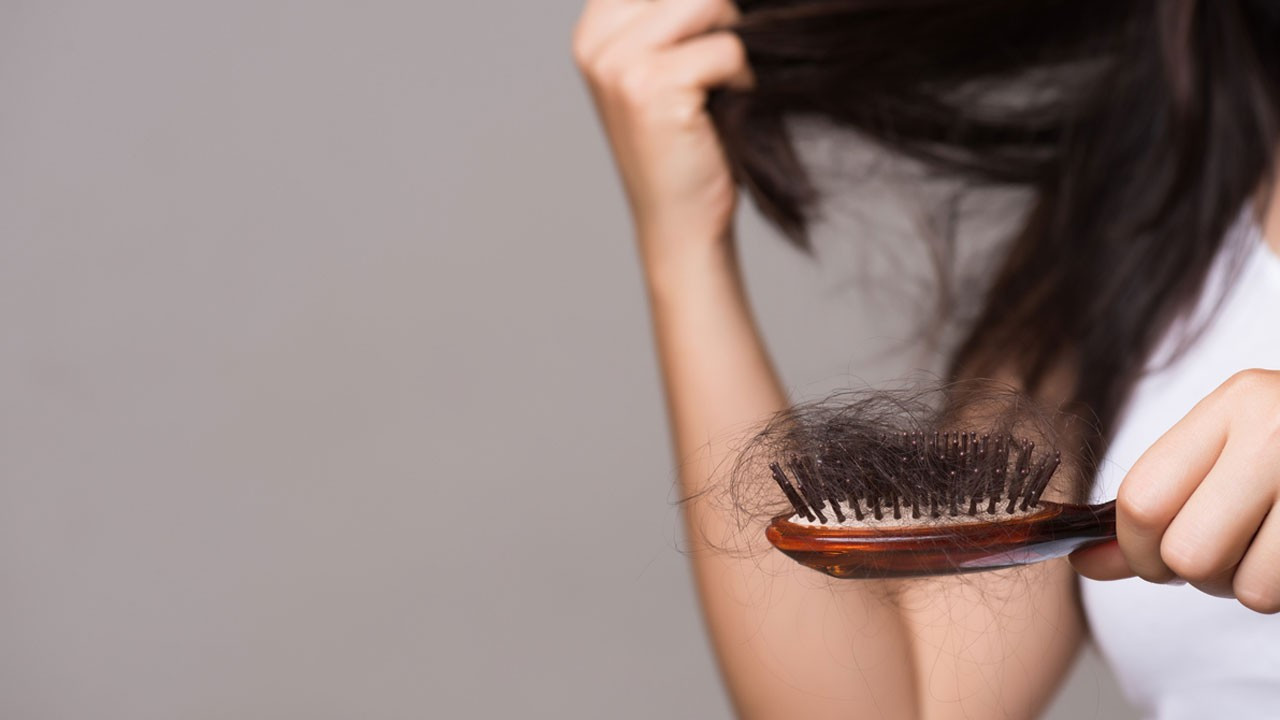
Although hair loss is part of the natural cycle of hair, excessive and uncontrolled hair loss can indicate a serious health problem. Hair loss occurs as a result of hair falling out from the root or hair strands breaking. This may cause hair density to decrease and appearance to change.
Hair loss can occur due to various factors. Reasons such as hormonal changes, stress, nutritional deficiencies, medication use, diseases and genetic predisposition are among the main causes of hair loss. Early diagnosis and appropriate treatment of hair loss is very important for maintaining hair health.
Causes of Hair Loss
There are various underlying reasons for hair loss. The most common among these are:
1. Hormonal Changes: Hormonal changes such as pregnancy, postpartum period, menopause and thyroid disorders can cause hair loss.
2. Stress: Excessive stress can reduce blood flow in hair follicles and lead to hair loss.
3. Nutritional Deficiencies: Iron, zinc, protein, biotin and other vitamin/mineral deficiencies can negatively affect hair health.
4. Medication Use: Some medications (cancer treatments, antidepressant medications, high blood pressure medications, etc.) can cause hair loss.
5. Diseases: Some diseases such as thyroid disorders, iron deficiency anemia, lupus, polycystic ovary syndrome can lead to hair loss.
6. Hair Care Mistakes: Overly frequent washing, excessive sun exposure, frequent dyeing and chemical treatments can negatively affect hair quality.
7. Genetic Predisposition: Hair loss may be more common in people with a family history.
Statistics on Hair Loss
Hair loss is a common problem that can affect people of all ages. The following statistics show the prevalence of hair loss:
• Hair loss can be seen in up to 50% of men.
• Hair loss is seen in 30% of women.
• Hair loss is more common in people over 50 years of age.
• A stressful lifestyle can increase hair loss by 18%.
• Hair loss causes significant appearance changes in 40% of people.
Things You Can Do to Prevent Hair Loss
You can follow the steps below to prevent hair loss:
8. Balanced Nutrition: Create a nutrition program that includes protein, iron, zinc, biotin and other vitamins/minerals necessary for hair health.
9. Stress Management: Reduce stress with regular exercise, meditation and relaxation techniques.
10. Hair Care: Wash your hair gently, avoid excessive chemical treatments and get haircuts frequently.
11. Regular Check-ups: Consult your doctor regularly and identify the underlying causes of hair loss.
12. Natural Products: You can use herbal oils, vitamins and natural supplements to reduce hair loss.
13. Hair Products: You can use shampoos, serums and foams developed against hair loss.
14. Treatment Methods: When necessary, drug treatments or surgical interventions recommended by your doctor can be applied.
Natural Solutions Against Hair Loss
You can try the following natural solutions to reduce hair loss:
• Ginger: Ginger can reduce hair loss by strengthening hair follicles.
• Nettle: Nettle can prevent hair loss by nourishing the hair follicles.
• Coconut Oil: Coconut oil can reduce hair loss by moisturizing the hair follicles.
• Almond Oil: Almond oil can prevent breakage by strengthening hair strands.
• Garlic: Garlic can reduce hair loss by increasing blood circulation.
• Green Tea: Green tea can protect hair follicles with its antioxidant properties.
• Omega-3 Fatty Acids: Omega-3 fatty acids can support hair health.
Factors That Accelerate Hair Loss
Some factors that accelerate hair loss are:
• Stress: Excessive stress can accelerate hair loss by reducing blood flow in the hair follicles.
• Hormonal Changes: Hormonal changes such as pregnancy, postpartum period, menopause and thyroid disorders can increase hair loss.
• Nutritional Deficiencies: Iron, zinc, protein, biotin and other vitamin/mineral deficiencies can negatively affect hair health.
• Medication Use: Some medications (cancer treatments, antidepressant medications, high blood pressure medications, etc.) can accelerate hair loss.
• Frequent Washing and Chemical Procedures: Excessively frequent washing, dyeing and other chemical treatments can deteriorate hair quality and increase hair loss.
• Genetic Predisposition: Hair loss may be more common in people with a family history.
When will the hair fall out?
Free Information,
Consultation and Appointment Request
 Call
Call
 Whatsapp