



Hair loss is a very disturbing condition for women and can cause self-confidence issues, psychological distress and social isolation. Therefore, it is important to know and apply the right treatment methods to cope with hair loss.
Causes of Hair Loss in Women
There can be many causes of hair loss in women. The main ones are:
1. Hormonal Imbalances: Excessive androgen (male hormone) production, polycystic ovary syndrome (PCOS) or other hormonal disorders can cause hair loss.
2. Genetic Factors: Some women may be more genetically predisposed to hair loss.
3. Medical Conditions: Some medical conditions such as Cushing's syndrome, acromegaly, hypothyroidism can cause hair loss.
4. Medication Use: Some medications (e.g. steroids) can cause hair loss.
5. Aging: In the post-menopausal period, hair growth may naturally increase in women.
6. Stress: High stress levels can contribute to the formation of hair loss.
Symptoms of Hair Regrowth in Women
The most obvious symptoms of hair regrowth in women are:
• Excessive hair growth on the face, chest, back, abdomen and legs
• Dark, thick hair
• Rapid hair growth
• Scattered and irregular appearance of hair
• Hair being very dense on the skin
• Hair giving a masculine appearance
These symptoms can negatively affect women's daily lives and self-confidence. Therefore, it is important to consult a specialist doctor in case of hair regrowth.
Treatment Methods for Hair Regrowth in Women
The treatment of hair regrowth in women varies depending on the cause. The most common treatment methods are listed below:
7. Hormonal Treatment: Birth control pills, antiandrogen drugs or other hormonal treatments prescribed by a doctor can be effective in reducing hair regrowth.
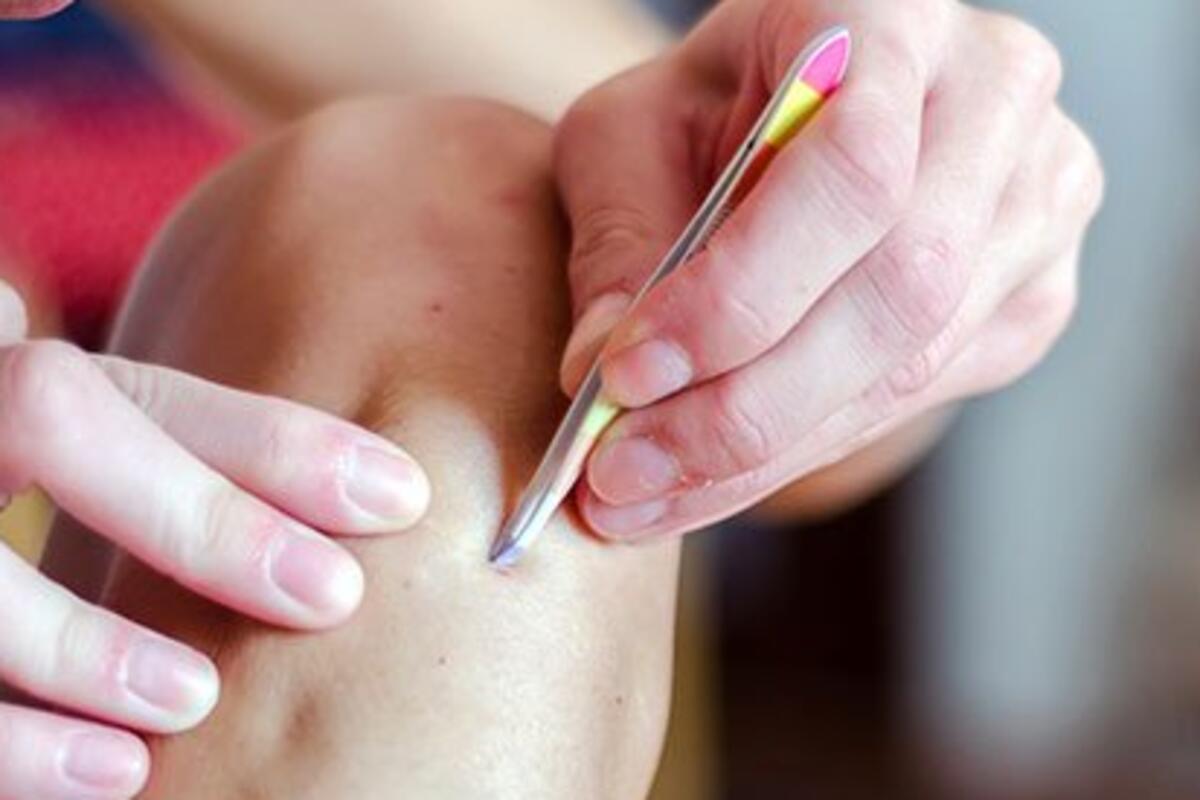
8. Cosmetic Treatments: Methods such as epilation, laser treatment, and hair removal with electric current (electrolysis) can be used to temporarily remove hair.
9. Surgical Treatment: Surgical methods (e.g. removal of hair follicles) can be applied, especially in cases of excessive facial hair growth.
10. Lifestyle Changes: Lifestyle changes such as healthy eating, regular exercise, and stress management can help reduce hair loss.
11. Supportive Treatments: Some herbal supplements or dietary changes can play a supportive role in reducing hair loss.
In hair loss treatment, combining more than one method can provide more effective results. In addition, it is important to have regular check-ups with a specialist doctor and to closely monitor the treatment process.
 Call
Call
 Whatsapp