


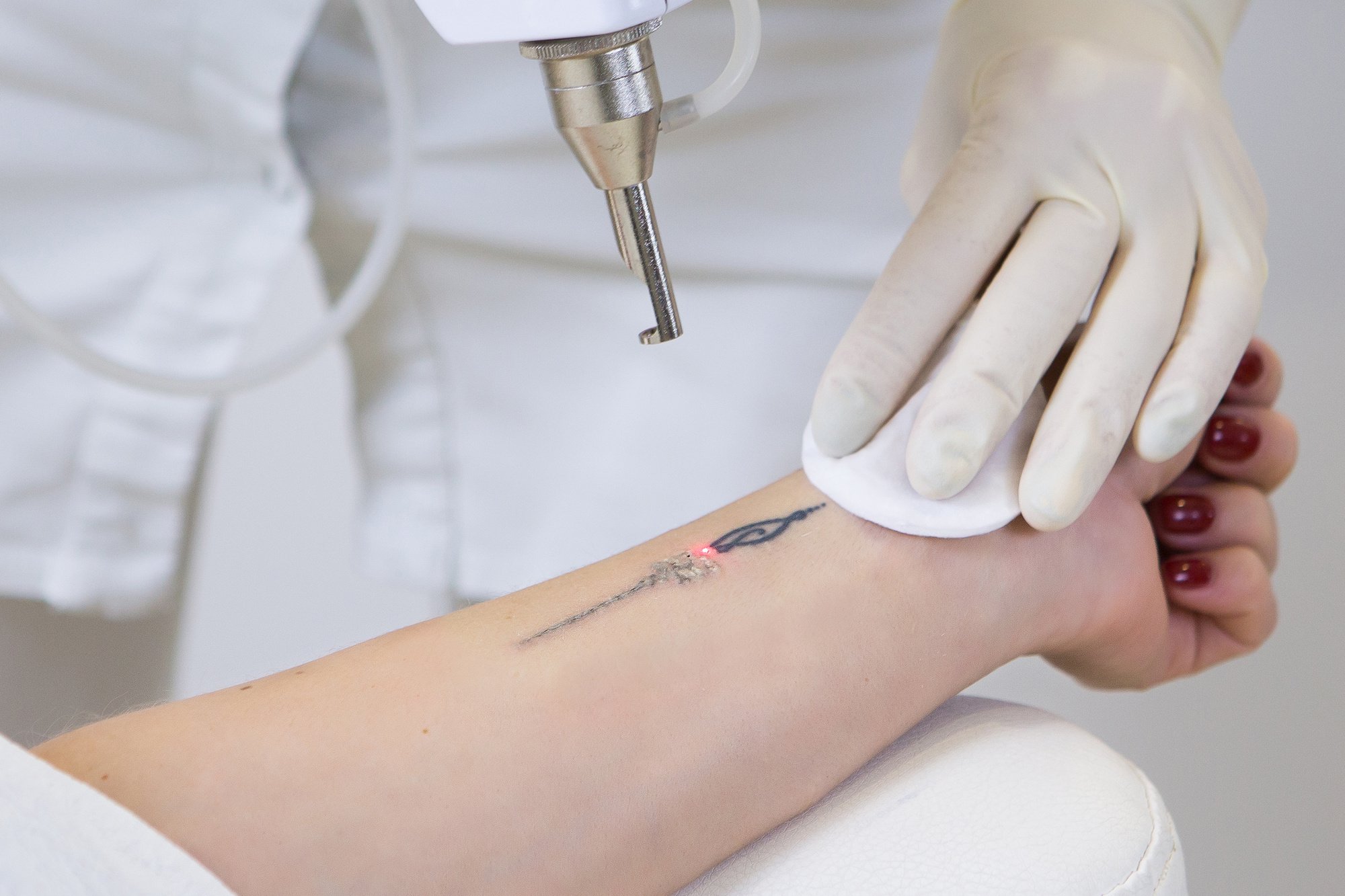

Tattoo removal is the process of removing permanent tattoos on the body by laser method. Tattoo removal is becoming increasingly popular due to changes or mistakes in people's lives. Tattoo removal may take several sessions depending on the color, size and depth of the tattoo.
Tattoo removal is generally perceived as a painful and troublesome process. However, this process can be made more comfortable with proper care and the use of appropriate products. Skin care after tattoo removal, especially the use of tattoo removal cream, is very important for the skin to heal and look healthier.
Tattoo Removal Process
Tattoo removal is usually performed using laser technology. The laser removes the tattoo on the skin by breaking down the tattoo pigments. During this procedure, side effects such as burning, swelling and redness on the skin may occur.
Tattoo removal may take several sessions, depending on the size, depth and color of the person's tattoo. Since there is a healing period between each session, 4-8 weeks should generally be waited until the procedure is completed.
Skin Care After Tattoo Removal
After tattoo removal, a special care routine must be applied for the skin to heal and look healthier. In this process, it is very important to moisturize the skin, protect it and protect it from infections.
Skin care after tattoo removal also includes the use of tattoo removal cream. Choosing the right cream and regular use accelerates the healing of the skin and makes it look healthier.
Which Cream to Use After Tattoo Removal?
After tattoo removal, specially formulated creams should be used to heal the skin and make it look healthier. These creams generally have the following features:
Moisturizing Ingredients: Ingredients that intensely moisturize the skin are important for dry and sensitive skin after tattoo removal.
Anti-inflammatory Components: They contain anti-inflammatory components to reduce inflammatory symptoms such as burning, swelling and redness that occur during the tattoo removal process.
Regenerating Substances: Substances that support skin renewal and healing are beneficial for the skin after tattoo removal.
Protective Factors: Protective factors from sun rays are important for sensitive skin after tattoo removal.
Best Tattoo Removal Creams
The following creams stand out for skin care after tattoo removal:
Cream Name Highlights Tattoo Aftercare Cream - Intensive moisturizer
- Anti-inflammatory ingredients
- Regenerative substances
- SPF 30 protection Rejuvi Tattoo Removal Cream - Skin-soothing ingredients
- Regenerating and restorative substances
- Sunscreen Tat2Away Tattoo Removal Cream - Ingredients that provide rapid healing
- Anti-inflammatory effect
- Ingredients that provide moisture balance Inked Tattoo Aftercare Cream - Intensive moisturizers
- Skin-soothing ingredients
- Recommendations for using sunscreen cream after tattoo removal
The following recommendations should be taken into consideration regarding the use of cream after tattoo removal:
Start using the cream within 24 hours after tattoo removal.
Apply the cream regularly 2-3 times a day.
Spread the cream by gently massaging the skin without rubbing it.
If the cream contains sunscreen ingredients, be sure to apply it before going out in the sun.
If you notice any signs of irritation, rash, or infection on your skin, consult your doctor immediately.
Benefits of Using Cream After Tattoo Removal
The main benefits of using cream after tattoo removal are:
It prevents dryness and tension by intensely moisturizing the skin.
It reduces inflammatory symptoms such as burning, swelling and redness.
It allows the skin to heal faster and healthier.
It helps prevent scar formation that may occur after tattoo removal.
It supports skin renewal and smooth appearance.
It protects the skin from sun rays and keeps the skin healthier.
Things to Consider When Using Cream After Tattoo Removal
The following points should be taken into consideration when using cream after tattoo removal:
Avoid creams with ingredients that may cause sensitive reactions on your skin.
Make sure that the sun protection factor in the cream is sufficient.
Check if the cream contains ingredients that contain antibiotics or corticosteroids.
Apply the cream in sufficient quantity to suit your skin's needs.
Be careful when using other skin care products together with the cream.
 Call
Call
 Whatsapp