



The underlying causes of teeth grinding may be various. The main reasons are:
1. Stress and Anxiety: Stress and anxiety in daily life are one of the most important factors that can cause teeth grinding. Stressful situations can lead a person to unconsciously grind their teeth.
2. Sleep Disorders: Sleep apnea, sleep breathing problems and other sleep disorders can lead to teeth grinding.
3. Personality Characteristics: Teeth clenching may be more common in people with aggressive, tense or compulsive personality traits.
4. Tooth and Jaw Problems: Dental problems such as crooked teeth, missing teeth, jaw joint problems can also cause teeth clenching.
5. Medication Use: Side effects of some medications may include teeth clenching.
Symptoms of Teeth Grinding
Symptoms of teeth grinding may include:
• Grinding sound in sleep
• Pain or tension in jaw and facial muscles
• Headache, especially in the morning hours
• Jaw locking or restricted opening
• Wear, breakage or sensitivity of teeth
• Earache or ringing
• Neck and shoulder pain
Effects of Teeth Grinding on Health
Teeth grinding can lead to serious health problems in the long run. Its main effects are:
• Wear, breakage and sensitivity in teeth
• Jaw joint problems (temporomandibular joint disorders)
• Headache and migraine
• Neck and back pain
• Sleeping disorders
• Increase in stress and anxiety levels
Treatment of Teeth Clenching
Treatment of teeth grinding varies depending on the root cause of the problem. The main treatment methods are:
6. Night Protective Plates: These plates, specially prepared by the dentist, prevent teeth from hitting each other and reduce clenching.
7. Botulinum toxin Applications: Botulinum toxin injections applied to the jaw muscles can control teeth clenching by reducing muscle activity.
8. Physical Therapy: Physical therapy methods applied to the jaw and facial muscles help reduce pain and tension.
9. Psychotherapy: Treatment of psychological factors such as stress and anxiety can be effective in controlling teeth grinding.
10. Drug Treatment: In some cases, relaxant drugs prescribed by a doctor can also be used to control teeth clenching.
Which Doctor Should You See for Teeth Clenching?
Teeth clenching is most often diagnosed and treated by a dentist. However, depending on the source of the problem, different specialist doctors may be consulted:
11. Dentist: The first person to consult for the diagnosis and evaluation of teeth grinding and determination of appropriate treatment methods is the dentist.
12. Oral, Dental and Maxillofacial Surgeon: In cases of jaw joint problems, crooked teeth or teeth clenching due to other dental problems, an oral, dental and maxillofacial surgeon may be consulted.
13. Neurologist: In cases of teeth grinding due to neurological problems such as migraine, headache or sleep disorders, it may be useful to consult a neurologist.
14. Psychiatrist: It is important to consult a psychiatrist in cases of teeth grinding triggered by psychological factors such as stress, anxiety or depression.
15. Physical Therapist: Support can be obtained from a physical therapist for the treatment of tension and pain in the jaw and facial muscles.
How to Treat Teeth Clenching?
Treatment of teeth grinding will depend on the root cause of the problem. In general, the following steps are followed:
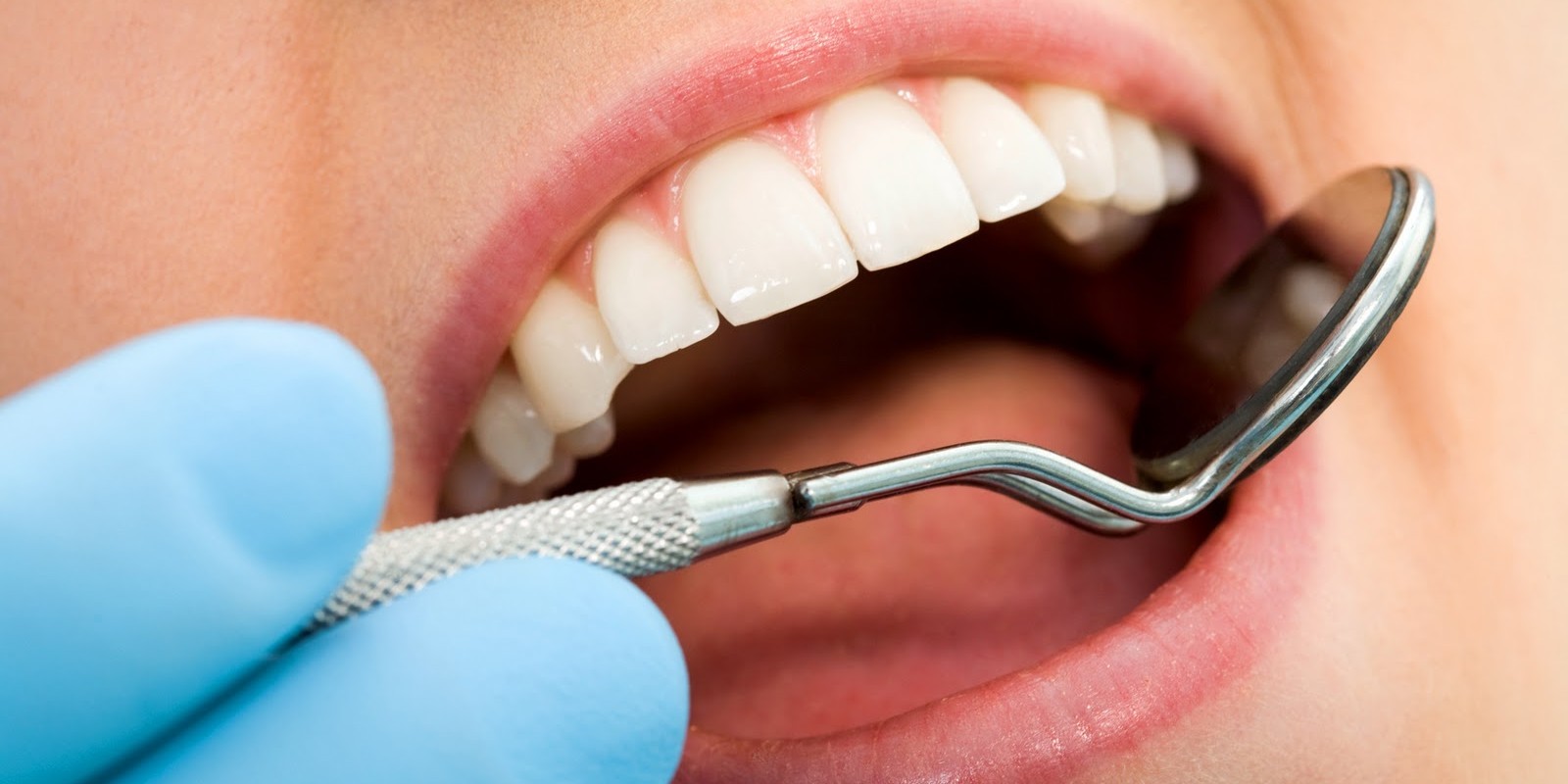
16. Diagnosis: The dentist diagnoses clenching by listening to the patient's story and performing an oral and dental examination.
17. Evaluation: If necessary, additional examinations (x-ray, sleep test, etc.) are performed to determine the source of the problem.
18. Treatment Plan: A treatment plan is created to suit the patient's needs. This plan may include methods such as night guards, botulinum toxin injections, physical therapy, psychotherapy or medication.
19. Follow-up and Compliance: Patient compliance and regular check-ups are very important during the treatment process. The doctor closely monitors the patient's recovery process.
20. Preventive Measures: Preventive measures such as stress management, sleep hygiene, exercise also help keep teeth grinding under control.
Common Questions and Answers About Teeth Grinding
Question 1: Is teeth grinding a permanent problem? Answer: No, teeth grinding is a problem that can generally be controlled and treated. Teeth clenching can be controlled in the long term with appropriate treatment methods.
Question 2: Is it possible for teeth grinding to occur in children? Answer: Yes, teeth clenching can also be seen in children. Causes of teeth grinding in children may include stress, anxiety, sleep disorders and developmental dental problems.
Question 3: Is teeth grinding treatment painful? Answer: No, teeth grinding treatment is generally painless and comfortable. Night protection plates, botulinum toxin applications or physical therapy methods are not disturbing.
Question 4: Is teeth grinding a psychological problem? Answer: Yes, the psychological aspect of teeth grinding is also very important. Psychological factors such as stress, anxiety and depression can trigger teeth grinding. Therefore, psychotherapy
Which Doctor Should You See for Teeth Clenching?
Free Information,
Consultation and Appointment Request
 Call
Call
 Whatsapp