


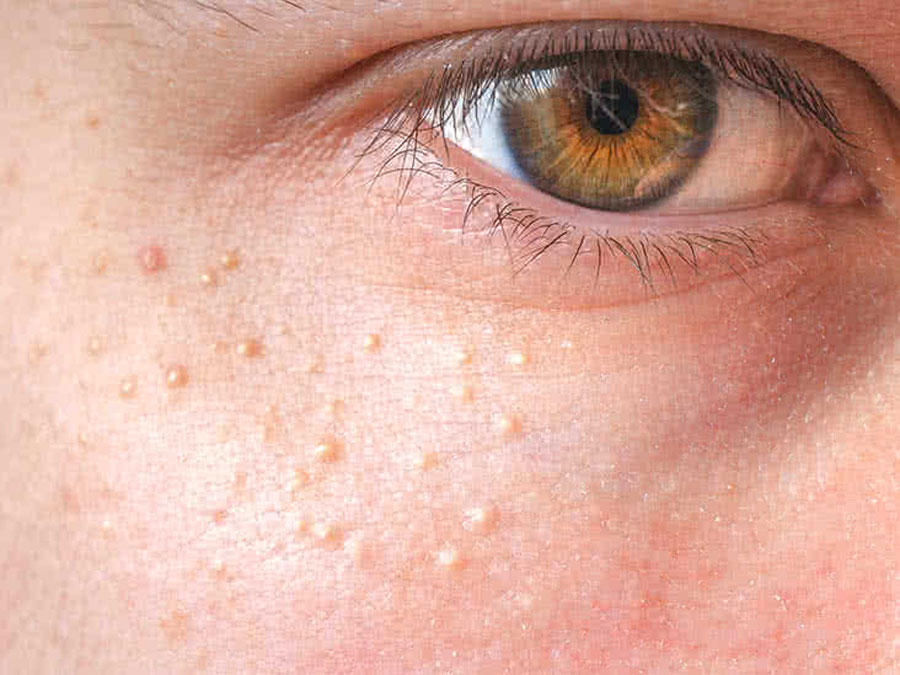

What Are the Hormones That Cause Acne?
Acne occurs as a result of excessive activity of the oil glands in the skin, and this excessive oil production is usually triggered by hormones. Hormones regulate many different functions in the body, but they can also affect skin health. In particular, conditions such as puberty, menstrual cycle, pregnancy and stress can change hormone levels, which can lead to acne.
Testosterone and Acne
Although testosterone is generally known as the male hormone, it is also found at certain levels in women. This hormone stimulates the oil glands in the skin by increasing oil production. Testosterone levels increase especially during puberty, which causes excess oil production in the skin, paving the way for acne. Likewise, hormonal imbalances, especially in cases such as polycystic ovary syndrome (PCOS), can lead to increased acne due to increased testosterone levels.
The Role of Estrogen and Skin Health
Estrogen is a hormone that positively affects skin health in women. This hormone increases the skin's elasticity by maintaining its moisture balance and regulates oil production. However, sudden changes in estrogen levels can trigger acne, especially in the middle of the menstrual cycle or during menopause. When estrogen begins to decrease, oil production in the skin can increase, which can lead to acne.
The Progesterone and Acne Connection
Progesterone is a hormone that increases especially in the second half of the menstrual cycle. An increase in this hormone can cause water retention in the body and increased oil production. During periods when progesterone levels are high, the oil glands in the skin produce more sebum, which leads to clogged pores and acne. The increased acne on women's skin, especially during the premenstrual period, occurs under the influence of this hormone.
Cortisol and Stress-Related Acne
Cortisol is a hormone that allows the body to cope with stress. However, cortisol levels can remain high for a long time in people who are under chronic stress. These high cortisol levels can increase oil production in the skin and cause acne. During stressful periods, inflammation in the skin can become more pronounced and existing acne can worsen.
Treatment of Hormonal Imbalances and Ways to Reduce Acne
Although hormones play an important role in acne formation, acne caused by hormonal imbalances can be controlled with a regular lifestyle and the right treatment approaches. It is important to have hormone levels determined correctly by having a hormone test.
Hormone Support: Doctors may recommend drug treatments to balance hormone levels. For example, birth control pills can balance progesterone and estrogen levels in women and help reduce acne.
Stress Management: Managing stress can balance cortisol levels and therefore reduce acne. Regular exercise, meditation and getting enough sleep can help in this regard.
Skin Care: It is necessary to take care of your skin care to control the increase in oil production caused by hormones. Using products suitable for oily skin, keeping pores clean and doing regular peeling are beneficial.
In Conclusion, The Effect of Hormones on Acne
One of the most important factors in acne formation is hormonal imbalances. Hormones such as testosterone, estrogen, progesterone and cortisol can directly affect oil production in the skin and cause acne. However, irregularities in hormonal levels can be treated and acne can be prevented with proper skin care.
 Call
Call
 Whatsapp