


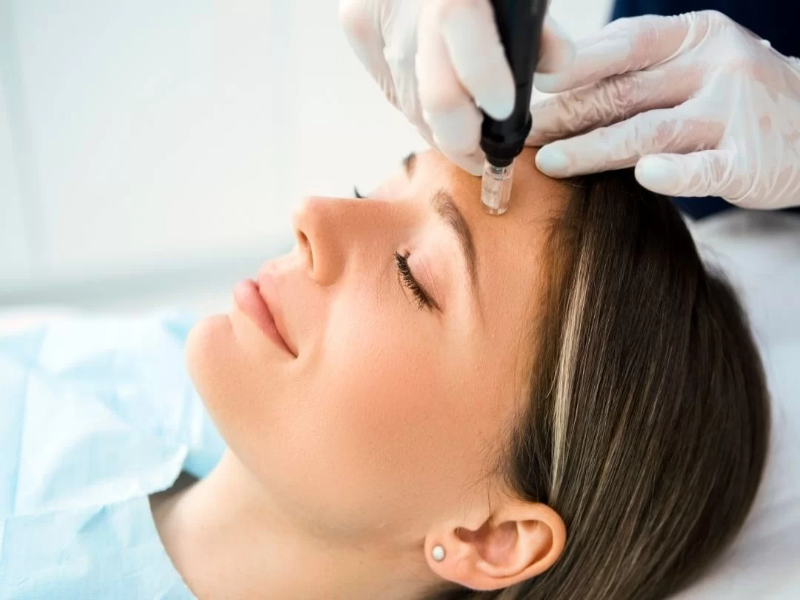

Acne scars are permanent lesions that remain on the skin after acne. They usually occur as a result of incorrect intervention in acne or acne not being treated. Acne scars are not aesthetically pleasing and can also negatively affect the person’s self-confidence. These scars may cause depressions or color changes on the skin over time.
Among the types of acne scars are atrophic, hypertrophic, and keloid scars. While atrophic scars are seen as depressions on the skin, hypertrophic scars display a raised and reddish appearance. Keloid scars, on the other hand, are scars that grow beyond the normal borders of the skin and are generally more painful.
Acne scars may vary depending on factors such as genetic factors, skin type, and the severity of acne. The depth and seriousness of these scars play an important role in the selection of the treatment method. Therefore, when looking for an answer to the question of which method is more suitable in acne scar treatment, it is important to determine the type and seriousness of the scars.
The Importance of Acne Scar Treatment
Acne scars can be not only an aesthetic problem but also a psychological burden. The importance of acne scar treatment begins with helping the person regain their self-confidence. The presence of scars may lead to social anxiety and depression in some individuals, so starting treatment may increase the person’s quality of life.
When left untreated, acne scars may become more prominent over time. This condition may become more noticeable especially in individuals with light skin. Early intervention can prevent the scars from deepening further and becoming permanent. This also makes the treatment process easier and more effective.
In summary, acne scar treatment is important for both physical and emotional health. When looking for an answer to the question of which method is more suitable in acne scar treatment, a treatment plan should be created by taking into account the individual’s skin type, the severity of the scars, and personal preferences.
Acne Scar Treatment Methods
Acne scar treatment varies according to the type and seriousness of the scars on the skin. Among these treatment methods are both medical and natural solutions. Below are the most common acne scar treatment methods and the advantages and disadvantages of these methods.
Chemical Peeling: This method, which peels the upper layers of the skin, can help achieve smoother skin. Chemical peeling may be especially effective on superficial scars.
Laser Treatment: It targets the lower layers of the skin and encourages the formation of new skin cells. Laser treatment is a suitable option for deeper scars.
Fillers: This method, used to fill depressions, is commonly preferred for atrophic scars. Fillers give volume to the skin and reduce the appearance of scars.
Each treatment method has its own advantages and side effects. Therefore, in order to answer the question of which method is more suitable in acne scar treatment, it is important to take individual skin characteristics and the type of scars into consideration.
Acne Scar Treatment with Chemical Peeling
Chemical peeling is a method commonly used in the treatment of acne scars. This treatment peels the upper layer of the skin with chemical solutions and allows the healthy skin cells underneath to appear. Thus, a smoother and more balanced skin tone is achieved.
Chemical peeling is generally a suitable treatment option for mild and moderate scars. This method improves the texture of the skin and reduces the appearance of scars. However, temporary redness and sensitivity may occur on the skin after this treatment. Therefore, it is important to pay attention to skin care after treatment.
One of the advantages of chemical peeling is that it balances the skin tone and provides a more vibrant and younger appearance. However, in order to answer the question of which method is more suitable in acne scar treatment, attention should be paid to the effects peeling creates on the skin and the person’s skin type.
Acne Scar Treatment with Laser Treatment
Laser treatment is an effective option especially for deep and permanent acne scars. In this method, laser beams penetrate the lower layers of the skin, encourage new collagen production, and help renew the skin tissue. Thus, the appearance of scars decreases over time.
The biggest advantage of laser treatment is that it provides fast and permanent results. However, this treatment method may be costly and may require more than one session. In addition, temporary redness and sensitivity may occur on the skin after laser treatment. Therefore, post-treatment skin care and sun protection are important.
Laser treatment can be customized according to different skin types and is an ideal option for deep scars. However, in order to answer the question of which method is more suitable in acne scar treatment, the person’s budget, the depth of the scars, and post-treatment care requirements should be taken into account.
Fillers and Acne Scar Treatment
Fillers are an effective method especially in the treatment of atrophic acne scars. This treatment fills the depressions on the skin and provides a smoother and more balanced skin surface. Fillers are generally hyaluronic acid-based and give volume to the skin.
Acne scar treatment with fillers offers fast and visible results. Since this treatment is minimally invasive, it generally carries less risk than other surgical interventions. However, the effect of fillers may be temporary and may need to be repeated at certain intervals.
The biggest advantage of filler treatment is that it gives immediate results. However, when looking for an answer to the question of which method is more suitable in acne scar treatment, it is important not to forget that the effect of fillers is temporary and that the treatment must be renewed regularly.
Which Method Is More Suitable in Acne Scar Treatment?
Each acne scar treatment method is effective at different degrees for different skin types and scar types. When looking for an answer to the question of which method is more suitable in acne scar treatment, the seriousness of the scars, the person’s skin type, and personal preferences play an important role. Therefore, getting advice from an expert dermatologist will be the best approach.
While chemical peeling, laser treatment, and fillers may be effective for deeper and permanent scars, natural methods may be supportive for more superficial scars. Each method has its own advantages and side effects, so it is important to create a personalized treatment plan.
As a result, for an effective treatment process, it is necessary to determine the type and seriousness of the scars, evaluate the skin type, and take post-treatment care requirements into consideration. Consultations with an expert dermatologist can help you choose the most suitable treatment method.
Things to Consider in Acne Scar Treatment
There are some important points that should be considered during the acne scar treatment process. Before starting treatment, it is important to have information about your skin type and the type of scars. This information will be decisive in answering the question of which method is more suitable in acne scar treatment.
During the treatment process, it is quite important to use care products suitable for your skin and to protect yourself from the sun. After treatment, the skin may become sensitive, so it is necessary to use sunscreen and avoid direct sunlight. In addition, using moisturizer is also recommended to relieve redness and sensitivity that may occur on the skin after treatment.
 Call
Call
 Whatsapp